Sunflower seed oil refining demands a sophisticated balance between impurity removal and flavor retention, setting the stage for consistent, high-quality edible oil production. This article delves into essential refining technologies including high-temperature vacuum distillation, automated temperature-controlled dewaxing, and adsorption decolorization. Grounded in ISO9001 and CE certification standards, the insights here offer practical Standard Operating Procedures (SOPs) and quality audit tools aimed at food processing enterprises committed to sustainable and compliant production.
All refining begins with rigorous assessment of crude sunflower seed oil. Precision in detecting free fatty acids, moisture content, phospholipids, and trace impurities at this stage is critical, as their presence directly affects downstream processing efficiency and product stability. Typical target ranges for crude oil parameters include:
Accurate lipid profiling facilitates tailored adjustments in refining steps to optimize impurity removal while preserving nutritional value.
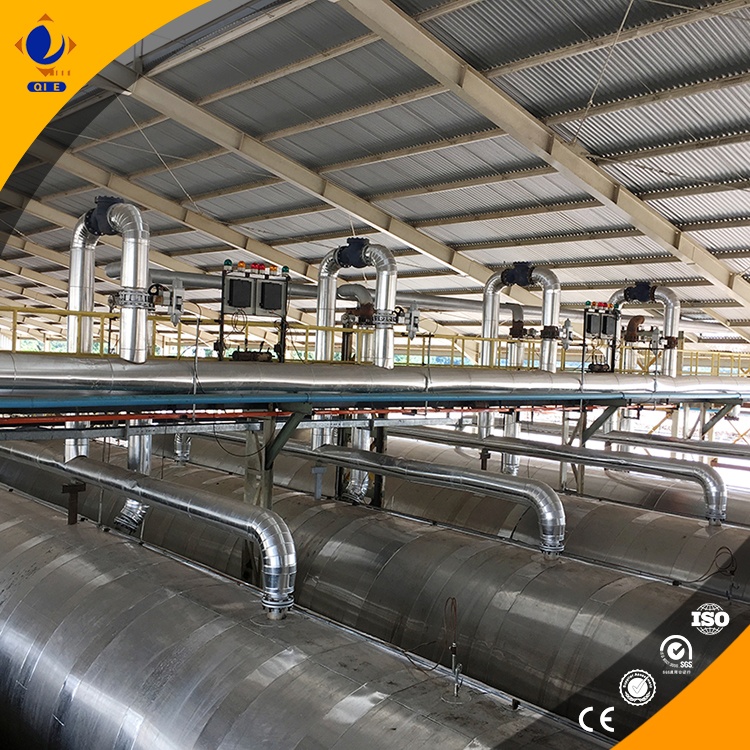
The vacuum distillation phase crucially separates volatile impurities and deodorizes the oil without compromising its quality. The temperature must be carefully programmed, typically ranging from 180°C to 240°C under 1.5–5 mbar vacuum pressure, to ensure efficient removal of odoriferous substances. Key considerations include:
Adherence to these parameters significantly enhances deodorization performance and product shelf-life.
Wax crystallization and removal at low temperatures are indispensable for producing clear sunflower oil with ideal mouthfeel. Automated temperature control systems systemize the cooling and filtration process, delivering consistent wax precipitation at around 8-12°C. Benefits include:
Many mid-size refineries have reported up to 15% efficiency gains post-automation integration.
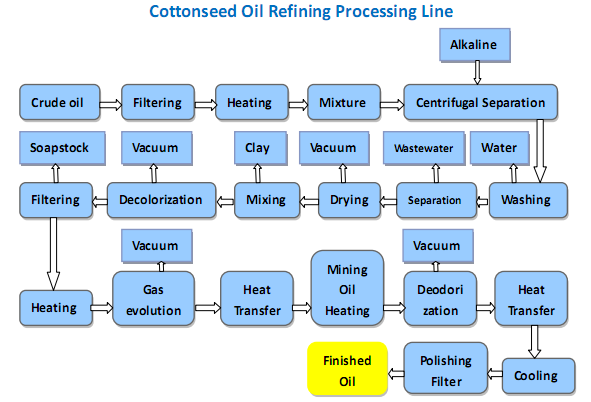
Creating and implementing SOPs tailored to each refining step is a best practice for ensuring repeatability and regulatory compliance. SOPs should systematically cover:
Complement these with digital or paper-based quality control forms to capture real-time process data, enabling traceability and continuous improvement. Sample inspection sheets include acid value monitoring logs and colorimetric readings.
Both ISO9001 and CE certification standards demand rigorous documentation and trace management. Industry leaders employ automated data acquisition systems to log core process variables such as temperature, vacuum pressure, and filtration rates. This “parameter trail” strategy not only reduces audit preparation time but also ensures swift root cause analysis in case of anomalies. Key compliance tips:
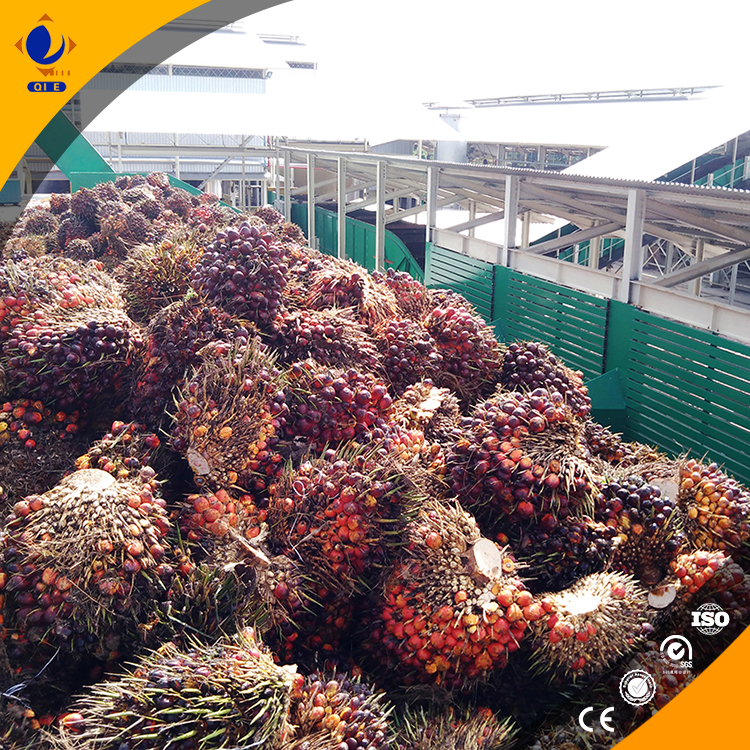
A mid-scale sunflower oil processor recently optimized its bleaching phase by reducing clay contact time from 40 minutes to 25 minutes. This adjustment stabilized product color within an R40 threshold across batches, eliminating prior inconsistencies that often triggered customer complaints. Measurable outcomes included:
Such incremental improvements, when codified in SOPs, multiply production efficiency and international competitiveness.
Empower your production line with actionable tools to elevate quality control and ensure export-grade standards.
Get the Quality Self-Check Guide NowExplore the most frequent sunflower seed oil refining missteps: Request your free Common Pitfalls in Sunflower Oil Refining Handbook or book a personalized technical consultation with our experts today.
 146
|
146
|
 Peanut oil cold pressing process
Peanut oil hot pressing process
Screw pressing technology
Peanut oil pressing equipment
Grain and oil processing technology optimization
219
|
Small peanut oil press purchase guide
Input - output ratio of grain and oil processing equipment
Comparison of hot and cold pressing processes
Maintenance points of peanut oil pressing equipment
Equipment selection for small grain and oil processing plants
38
|
peanut oil screw pressing
comparison between hot - pressing and cold - pressing
peanut oil yield
high - end peanut oil export
grain and oil processing equipment
391
|
Small peanut oil press
Grain and oil processing equipment selection guide
Screw pressing technology
Hot and cold pressing processes
Equipment maintenance skills
134
|
Peanut oil screw press
Screw pressing equipment maintenance
Peanut oil extraction rate optimization
Comparison of hot - pressing and cold - pressing processes
Parameter adjustment of grain and oil processing equipment
Peanut oil cold pressing process
Peanut oil hot pressing process
Screw pressing technology
Peanut oil pressing equipment
Grain and oil processing technology optimization
219
|
Small peanut oil press purchase guide
Input - output ratio of grain and oil processing equipment
Comparison of hot and cold pressing processes
Maintenance points of peanut oil pressing equipment
Equipment selection for small grain and oil processing plants
38
|
peanut oil screw pressing
comparison between hot - pressing and cold - pressing
peanut oil yield
high - end peanut oil export
grain and oil processing equipment
391
|
Small peanut oil press
Grain and oil processing equipment selection guide
Screw pressing technology
Hot and cold pressing processes
Equipment maintenance skills
134
|
Peanut oil screw press
Screw pressing equipment maintenance
Peanut oil extraction rate optimization
Comparison of hot - pressing and cold - pressing processes
Parameter adjustment of grain and oil processing equipment