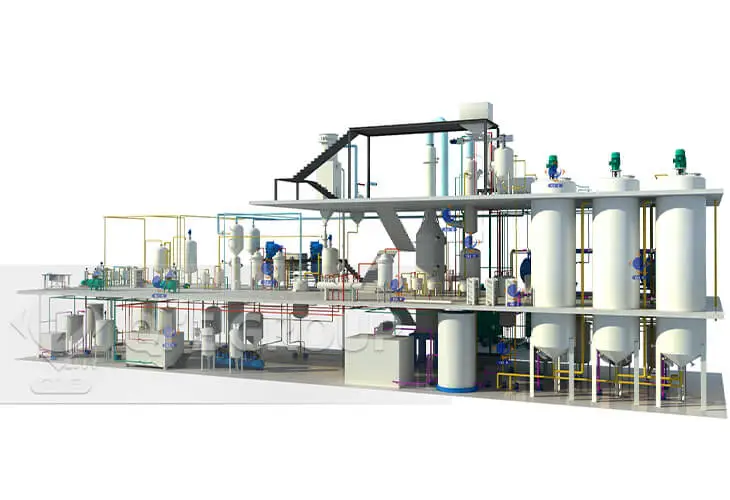
Sunflower seed oil, prized for its rich nutritional profile and delicate flavor, requires meticulous refining to ensure product quality and safety. The refining process is complex, involving multiple stages that, if not precisely managed, can lead to the degradation of heat-sensitive bioactive compounds such as tocopherols and polyphenols. In response to this challenge, QIE Group has developed an advanced sunflower seed oil refining system incorporating high-temperature vacuum distillation paired with automated temperature control technologies. This article provides an in-depth exploration of the entire refining workflow, highlighting key control points and the pivotal role of automation in safeguarding thermal-sensitive constituents while achieving consistent product standards.
The foundation of superior sunflower seed oil lies in rigorous incoming quality inspection. Upon receipt, crude sunflower seed oil undergoes immediate physicochemical evaluation, including parameters such as free fatty acid (FFA) content, moisture and impurities percentage (M&I), peroxide value (PV), and color index. Industry benchmarks suggest FFA should be below 5%, M&I under 0.1%, and PV less than 10 meq/kg to maintain optimum refining performance.
Accurate data acquisition at this initial phase enables customized adjustment of process parameters downstream, reducing the risk of overprocessing and nutritional loss.
The sunflower seed oil refining process involves degumming, neutralization, bleaching, dewaxing, deodorization, and winterization. Among these, the deodorization stage is most impactful on heat-sensitive components. Conventional deodorization uses high temperatures (up to 250–270°C) under vacuum to remove volatiles; however, excessive heat exposure leads to tocopherol degradation by up to 20–30% if not meticulously controlled.
Penguin's system integrates high-temperature vacuum distillation which reduces boiling point of volatile impurities, enabling effective removal at lower actual thermal loads. The key to preserving bioactives lies in controlling temperature ramp-up rates, maintaining vacuum pressures at 2–3 mbar, and carefully setting residence times between 30 to 60 minutes.
Employing an automated temperature control system is transformative in maintaining product integrity during thermal processing. This real-time feedback-driven mechanism adjusts heating elements dynamically based on embedded temperature sensors and predictive algorithms. Benefits include:
For instance, empirical data from field tests indicate that automated temperature control reduces tocopherol losses by approximately 15% compared to manual systems, resulting in a 10% improvement in antioxidant capacity retention in the final oil.
Beyond technological innovation, enforcing standardized operating procedures (SOPs) is crucial for repeatability and certification readiness. Standard protocols for each refining stage are embedded within the system’s software, ensuring operators follow optimal process windows for parameters such as temperature, vacuum level, and throughput rates.
Certification compliance — including ISO 9001 for quality management, HACCP for food safety, and in relevant markets, certifications such as Kosher and Halal — is supported through traceability and automatic digital recording of all process parameters, facilitating audits and enhancing credibility for international buyers.
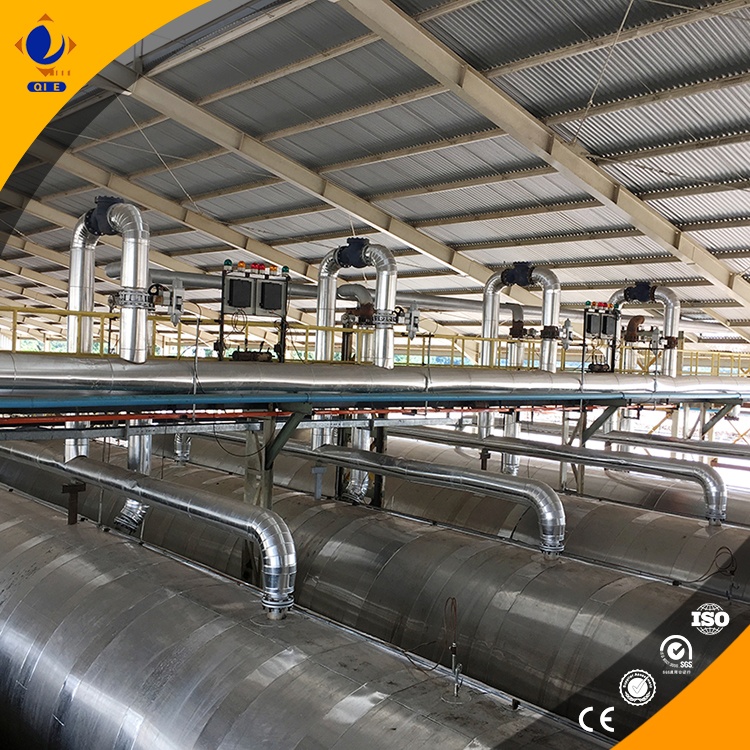
QIE Group’s approach encompasses digital dashboards offering operators and quality managers real-time visualization of critical control points, including temperature trends, vacuum stability, and product parameter compliance. These tools empower proactive intervention, minimizing off-spec batches and facilitating continuous improvement.
Combined with batch-wise oil profiling — including fatty acid composition, colorimetry, and oxidative stability tests — the comprehensive quality system drives higher product consistency and market acceptance.
In an evolving global market where buyers increasingly demand transparency, nutritional authenticity, and consistent quality, deploying automated and data-integrated refining systems is indispensable. The QIE Group sunflower seed oil refining technology not only preserves valuable heat-sensitive antioxidants and vitamins but also aligns production with international food safety and quality standards, ensuring export readiness and enhanced brand trust.
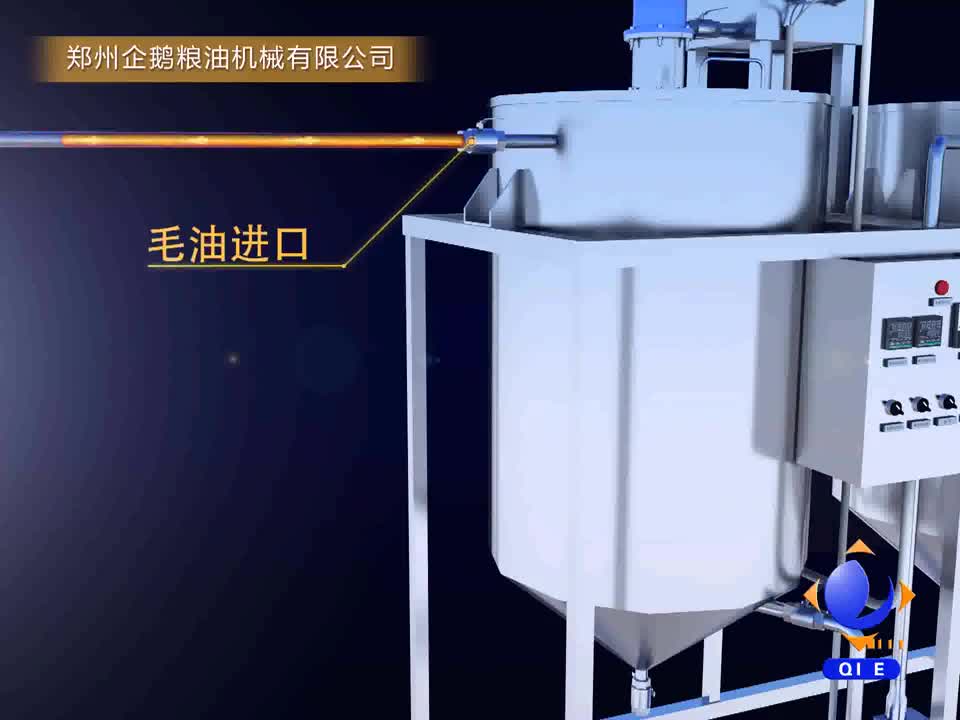
From raw material inspection to final product stabilization, maintaining stringent control at each refining step is paramount. Integrating automated temperature control technology into the refining system provides:
Such capabilities ultimately translate into superior sunflower seed oil products with elevated market appeal and premium positioning.
 131
|
131
|
 spiral pressing technology
peanut oil yield optimization
cold press vs hot press
small scale oil extraction
peanut oil quality improvement
54
|
peanut oil quality improvement
peanut oil pressing process
hot pressing vs cold pressing
oil extraction efficiency
peanut oil production optimization
144
|
small peanut oil press maintenance
peanut oil press fault prevention
oil press machine保养流程
export-grade oil press
cold press vs hot press maintenance
109
|
small peanut oil press machine
peanut oil pressing technology
cold press vs hot press
oil extraction efficiency
equipment maintenance for oil mills
106
|
Cold-pressed peanut oil process
Hot-pressed peanut oil process
Peanut oil pressing technology
Grain and oil processing equipment
Peanut oil quality improvement
spiral pressing technology
peanut oil yield optimization
cold press vs hot press
small scale oil extraction
peanut oil quality improvement
54
|
peanut oil quality improvement
peanut oil pressing process
hot pressing vs cold pressing
oil extraction efficiency
peanut oil production optimization
144
|
small peanut oil press maintenance
peanut oil press fault prevention
oil press machine保养流程
export-grade oil press
cold press vs hot press maintenance
109
|
small peanut oil press machine
peanut oil pressing technology
cold press vs hot press
oil extraction efficiency
equipment maintenance for oil mills
106
|
Cold-pressed peanut oil process
Hot-pressed peanut oil process
Peanut oil pressing technology
Grain and oil processing equipment
Peanut oil quality improvement