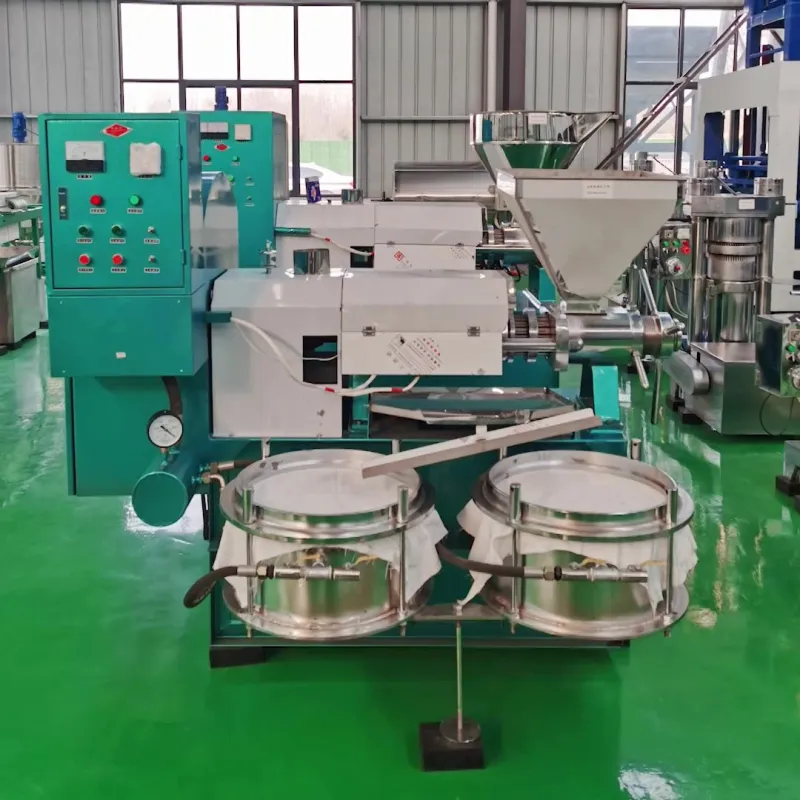
Navigating the complex decision of choosing the right sunflower oil refining equipment is critical to optimizing production efficiency and ensuring product quality. Whether you operate a 1 TPD or 500 TPD facility, matching equipment capacity with operational needs while adopting advanced technologies like automatic temperature-controlled dewaxing can transform your oil processing line.
Most oil mill purchasers face three notorious headaches:
Addressing these pain points upfront paves the way for solutions that deliver maximum ROI with sustained operational excellence.
Capacity planning is the cornerstone of effective equipment selection. Here’s how you can align production needs:
Choosing machines with flexible power configurations allows your plant to adjust production volumes without compromising process stability.
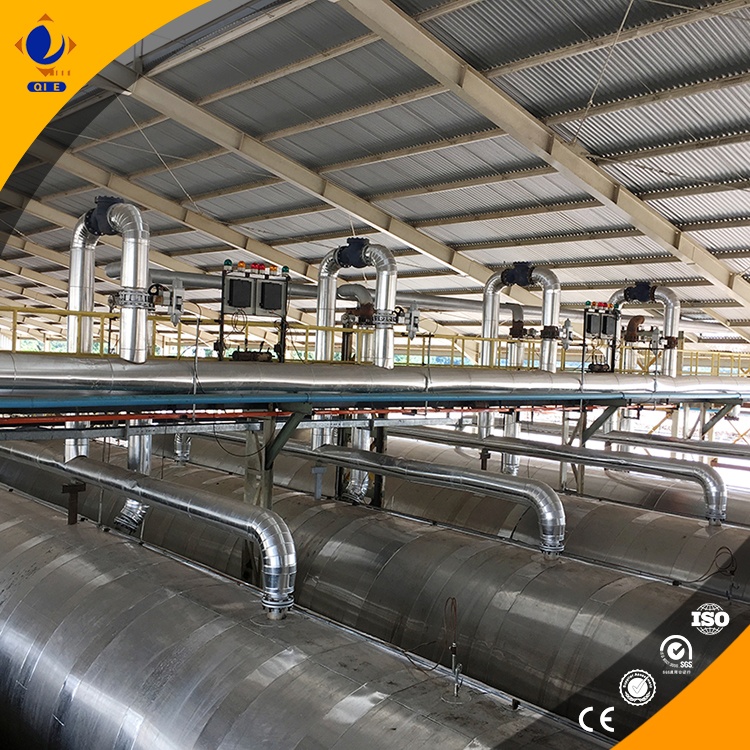
The integration of automatic temperature-controlled dewaxing technology is a game-changer—particularly for regions facing cold weather challenges. Key benefits include:
Such technological refinement ensures your product consistently meets rigorous safety and quality standards demanded by global food markets.
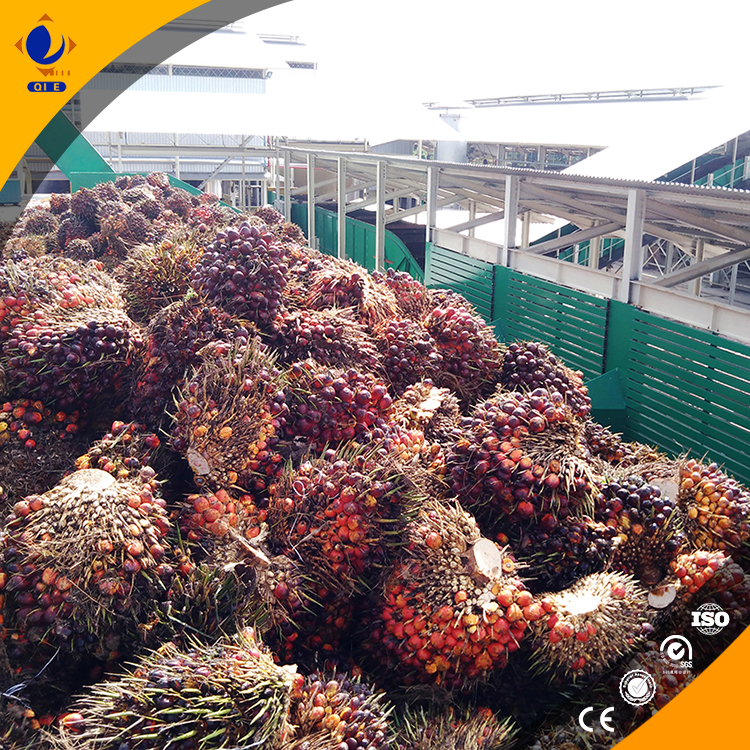
It’s not just the equipment — post-purchase support profoundly affects operational reliability:
Choosing suppliers with vigorous after-sales ecosystems ensures your plant stays productive and compliant.
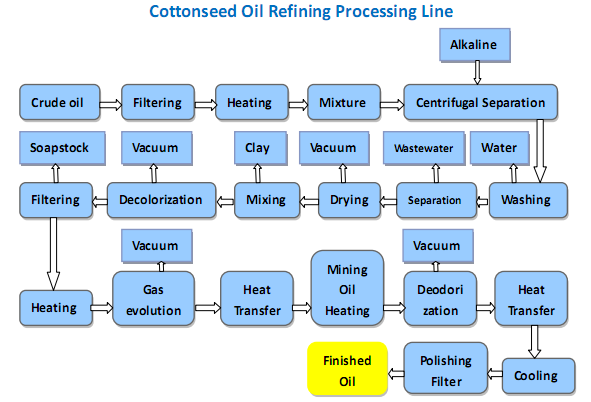
Our customers have reported:
Aligning your equipment choices with validated operational data enhances confidence and accelerates your path to optimal profitability.
Globally, food safety regulations are tightening, and consumer demand favors transparently sourced and processed oils. Our refined equipment supports:
Staying ahead in the oil refining industry means adopting technology that not only increases output but ensures your product’s place in premium markets worldwide.
 57
|
57
|
 peanut oil processing
peanut oil aroma enhancement
pressing process parameters
difference between hot - pressing and cold - pressing
oil quality optimization
39
|
small peanut oil press machine
oil press machine for small factories
energy-efficient oil press
peanut oil cold pressing
compact oil processing equipment
235
|
peanut oil press machine
hot pressed peanut oil
cold pressed peanut oil
peanut oil quality improvement
export oil processing
38
|
Peanut oil press
Screw pressing technology
Peanut oil production process
Comparison of hot and cold pressing
Grain and oil processing equipment
128
|
Peanut oil pressing technology
Cooking process optimization
Cold - pressing and hot - pressing comparison
Peanut oil quality improvement
Grain and oil processing equipment
peanut oil processing
peanut oil aroma enhancement
pressing process parameters
difference between hot - pressing and cold - pressing
oil quality optimization
39
|
small peanut oil press machine
oil press machine for small factories
energy-efficient oil press
peanut oil cold pressing
compact oil processing equipment
235
|
peanut oil press machine
hot pressed peanut oil
cold pressed peanut oil
peanut oil quality improvement
export oil processing
38
|
Peanut oil press
Screw pressing technology
Peanut oil production process
Comparison of hot and cold pressing
Grain and oil processing equipment
128
|
Peanut oil pressing technology
Cooking process optimization
Cold - pressing and hot - pressing comparison
Peanut oil quality improvement
Grain and oil processing equipment