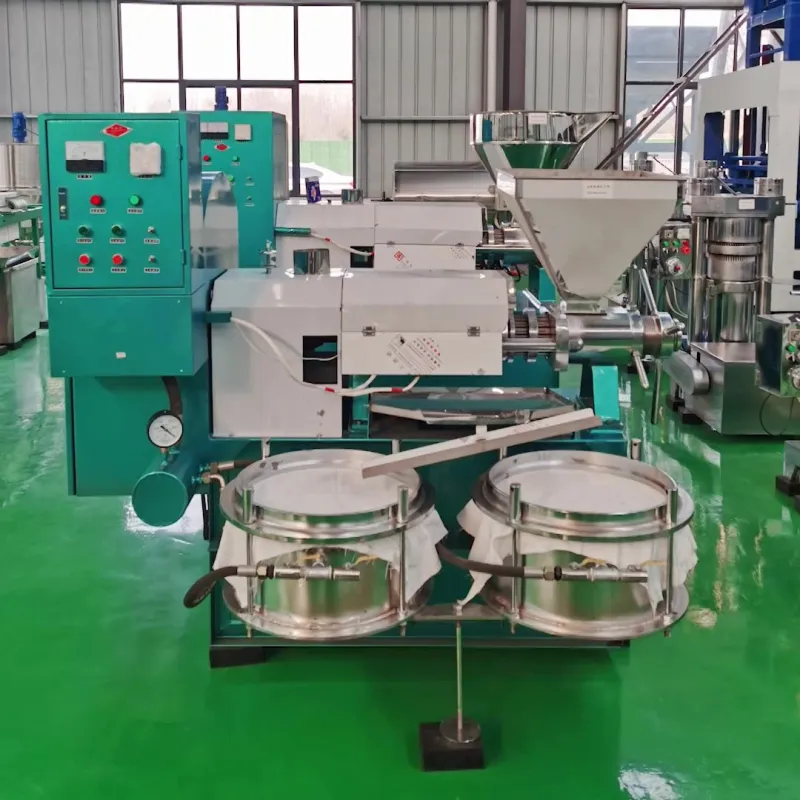
Selecting the perfect sunflower oil refining equipment to match your small or medium-sized oil mill’s capacity is a decision that directly impacts efficiency, operational costs, and ultimately, your return on investment. Misaligned equipment capacity can cause bottlenecks, excess resource consumption, or underutilization, undermining profitability. This guide dives into three pivotal dimensions — capacity matching, automation features, and after-sales support — to help you approach your procurement decision with confidence and precision.
The equipment capacity you select must accurately cater to your mill’s daily processing volume, typically ranging from 1 to 500 tons per day (TPD). For a small oil mill processing under 50 TPD, oversized machines lead to unnecessary capital expenditure and higher energy consumption, while undersized units may generate production delays. Medium-sized mills with 100-300 TPD throughput should consider modular designs that allow scalability without compromising efficiency.
Power consumption generally scales with capacity: a 50 TPD system may require approximately 50-70 kW, whereas a 300 TPD line could demand 350-450 kW. Opting for equipment with variable speed drives and double extraction stages can optimize energy use while adjusting throughput—important for fluctuating demand.
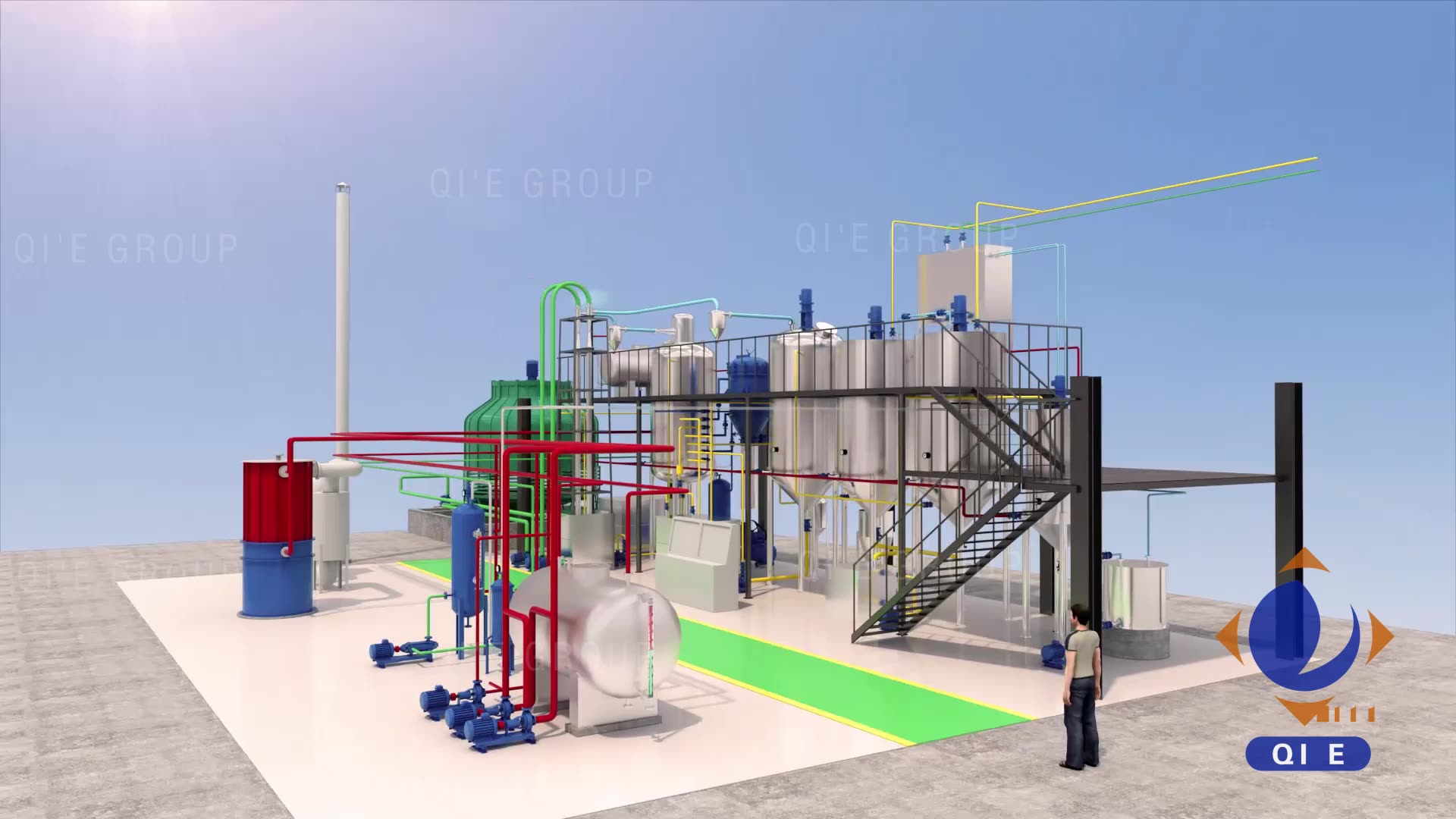
The integration of an automatic temperature-controlled dewaxing system is a game-changer for mid-to-large capacity plants. This technology accurately regulates crystallization and removal of waxes, reducing human error and downtime. Enhanced automation not only improves oil quality by maintaining stable process parameters but also lowers labor costs and energy usage.
A fully automated control panel combined with real-time monitoring sensors allows:
These features can decrease operational costs by up to 15%, as evidenced by customer feedback from a 120 TPD sunflower oil refinery in Eastern Europe.
Reliable after-sales support is often underestimated but is crucial for minimizing downtime and maintenance expenses. Focus on suppliers offering:
“Switching to a supplier with certified ISO9001 and CE compliance significantly increased our operational uptime. Their timely service visits and remote diagnostics shortened planned maintenance from 5 days to under 2 days.” – CEO, Mid-sized Oil Processor, Spain
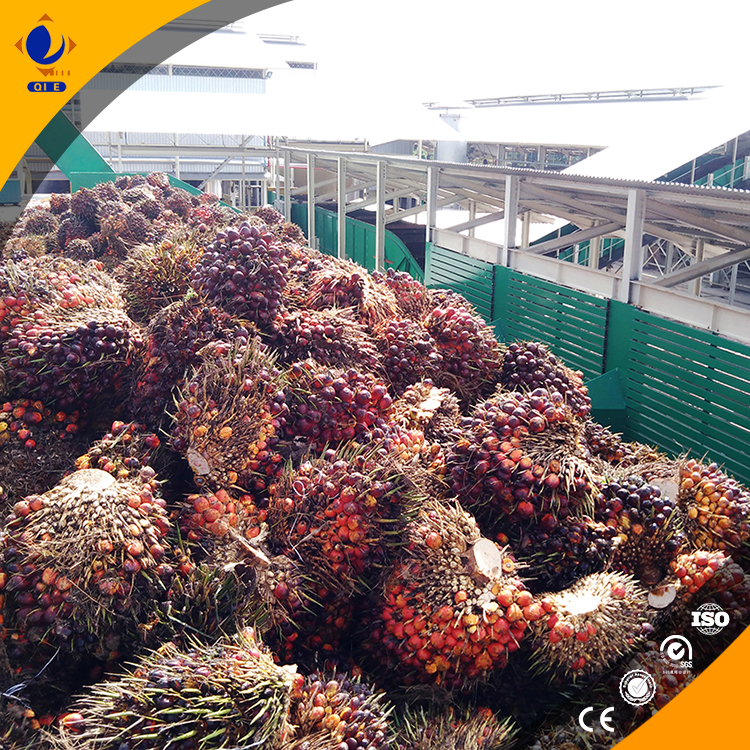
The global food industry increasingly prioritizes environmental responsibility. Choose refining equipment designed with modular architecture and energy-saving solutions such as heat recovery systems and low-waste process tailoring. This approach not only aligns with green food processing requirements but also supports compliance with regulatory standards across Europe, North America, and Asia.
Formal certifications like ISO9001 and CE marking are critical for accessing these markets. They guarantee product quality, safety, and environmental compliance, helping your refinery pass audits swiftly and build trust with international buyers.
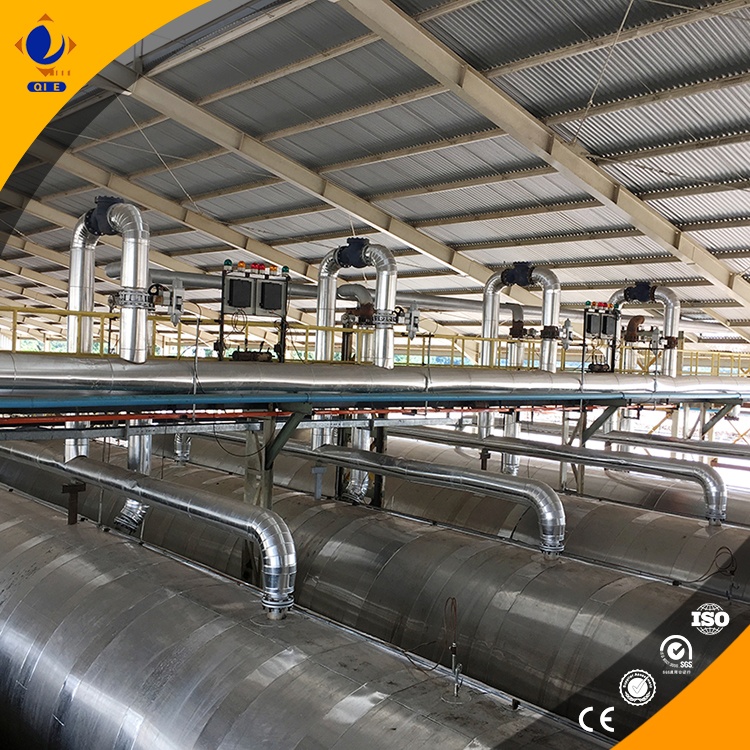
 246
|
246
|
 screw press maintenance
peanut oil extraction optimization
cold press vs hot press
energy-efficient oil pressing
screw press parameter tuning
477
|
small peanut oil press machine
oil press maintenance tips
peanut oil extraction equipment
industrial oil press maintenance
energy-efficient oil press
484
|
small peanut oil press machine
oil press machine maintenance
spiral pressing technology
cold press vs hot press
peanut oil extraction efficiency
48
|
peanut oil press machine
energy-efficient oil press
small scale oil processing equipment
spiral oil press technology
oil press maintenance
128
|
Peanut oil pressing technology
Cooking process optimization
Cold - pressing and hot - pressing comparison
Peanut oil quality improvement
Grain and oil processing equipment
screw press maintenance
peanut oil extraction optimization
cold press vs hot press
energy-efficient oil pressing
screw press parameter tuning
477
|
small peanut oil press machine
oil press maintenance tips
peanut oil extraction equipment
industrial oil press maintenance
energy-efficient oil press
484
|
small peanut oil press machine
oil press machine maintenance
spiral pressing technology
cold press vs hot press
peanut oil extraction efficiency
48
|
peanut oil press machine
energy-efficient oil press
small scale oil processing equipment
spiral oil press technology
oil press maintenance
128
|
Peanut oil pressing technology
Cooking process optimization
Cold - pressing and hot - pressing comparison
Peanut oil quality improvement
Grain and oil processing equipment