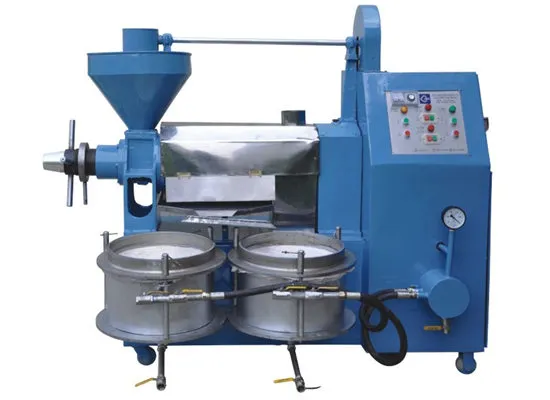
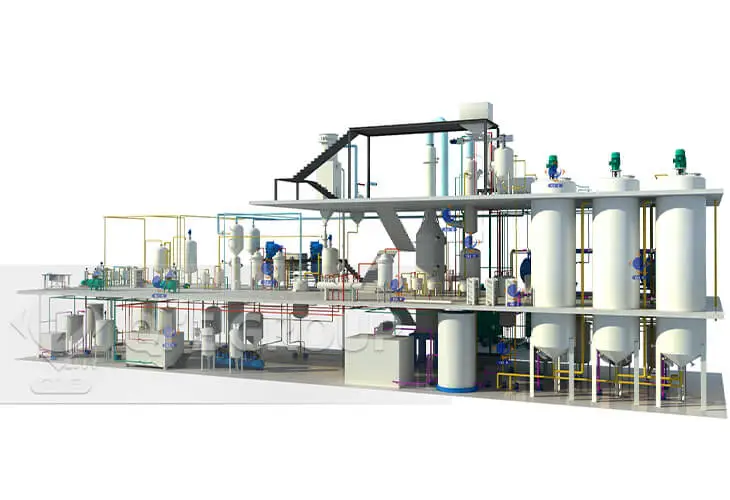
Selecting the right sunflower oil refining equipment is crucial for small to medium-sized oil producers striving to balance production capacity and operational stability. Missteps in equipment choice can lead to underperformance, inflated costs, or product inconsistencies, hindering growth and compliance. This guide walks you through strategic capacity matching, advanced automatic dewaxing technologies, and reliable after-sales support — all grounded in real-world cases and industry standards — to empower your procurement decisions.
A recurring challenge for oil manufacturers lies in overestimating production capacity needs. Pursuing oversized equipment often leads to inefficiencies such as underutilization, higher energy consumption, and increased maintenance costs. Conversely, undersized installations can bottleneck output, limiting scalability.
For instance, a 1 ton-per-day (TPD) plant installing equipment rated for 5 TPD may face unstable operation and inflated per-unit costs. In contrast, a 200 TPD medium plant demands a robust system capable of sustained throughput, making equipment modularity and automation essential.
Pro Tip: Utilize capacity matching charts to align your plant’s expected demand with equipment throughput. This reduces idle time and improves return on investment.

Seasonal variations significantly affect crude sunflower oil wax content. An automatic temperature-controlled dewaxing system mitigates these inconsistencies, ensuring your refined oil maintains consistent clarity and quality without excessive manual intervention.
By precisely regulating cooling temperatures, these systems reduce wax residue by up to 15% compared to manual controls, which not only improves product stability but also extends shelf life and customer satisfaction.
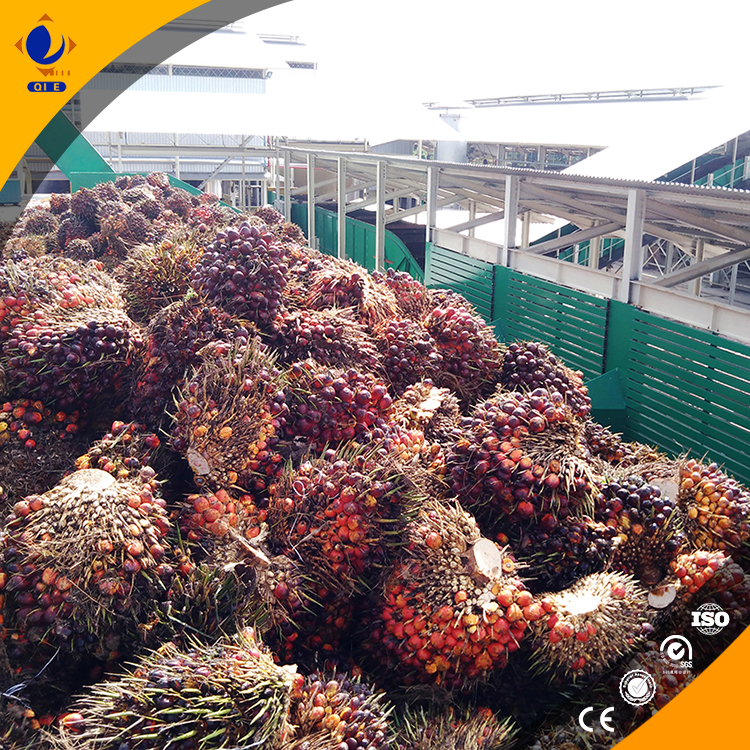
Equipment warranties and responsive local technical support profoundly influence operational uptime and maintenance budgets. Delays in repair or parts delivery can cost thousands in lost production hours.
When evaluating suppliers, prioritize:
Suppliers with ISO9001 and CE certifications often uphold better quality and service standards — compliance that not only reflects equipment reliability but also smooths market entry and customer trust.
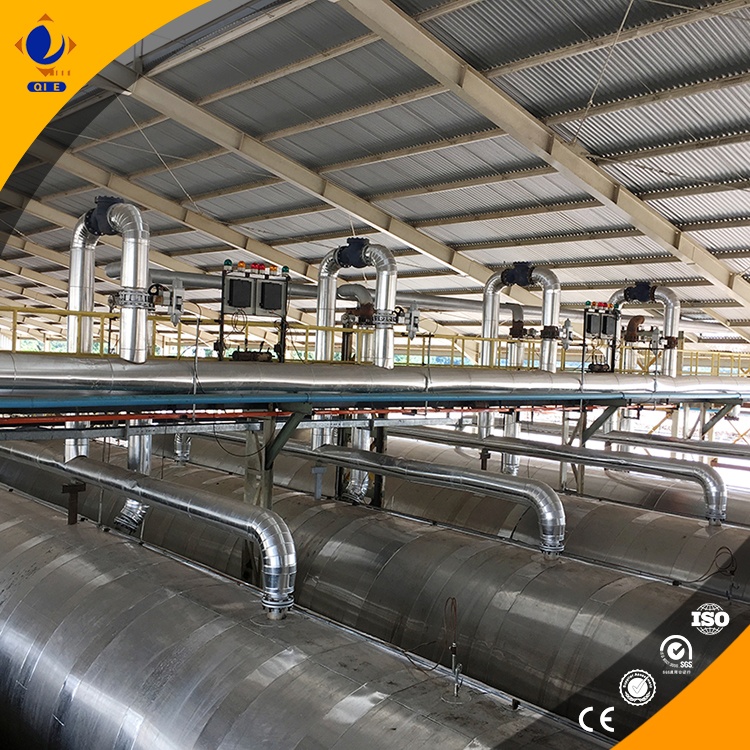
To enhance your procurement strategy, leverage tools such as:
Utilizing these tools reduces uncertainty and helps you align investments with operational goals.
 54
|
54
|
 peanut oil quality improvement
peanut oil pressing process
hot pressing vs cold pressing
oil extraction efficiency
peanut oil production optimization
192
|
peanut oil pressing equipment
hot pressing vs cold pressing
peanut oil quality improvement
grain and oil processing technology
small-scale oil press machines
167
|
Small peanut oil press
Grain and oil processing equipment purchase
Equipment maintenance skills
Input - output ratio evaluation
Energy - saving and environmental - friendly press
117
|
small peanut oil press
energy-efficient oil press
peanut oil extraction equipment
small-scale oil processing
cold press vs hot press
39
|
small peanut oil press machine
oil press machine for small factories
energy-efficient oil press
peanut oil cold pressing
compact oil processing equipment
peanut oil quality improvement
peanut oil pressing process
hot pressing vs cold pressing
oil extraction efficiency
peanut oil production optimization
192
|
peanut oil pressing equipment
hot pressing vs cold pressing
peanut oil quality improvement
grain and oil processing technology
small-scale oil press machines
167
|
Small peanut oil press
Grain and oil processing equipment purchase
Equipment maintenance skills
Input - output ratio evaluation
Energy - saving and environmental - friendly press
117
|
small peanut oil press
energy-efficient oil press
peanut oil extraction equipment
small-scale oil processing
cold press vs hot press
39
|
small peanut oil press machine
oil press machine for small factories
energy-efficient oil press
peanut oil cold pressing
compact oil processing equipment