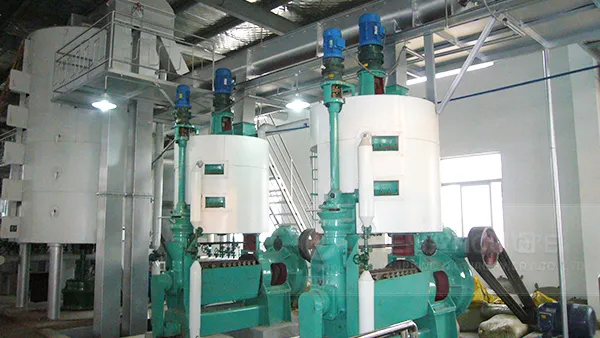
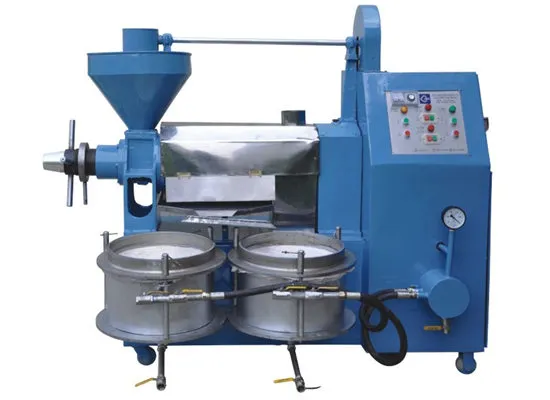
Selecting the right sunflower oil refining equipment is crucial to ensure consistent product quality, operational efficiency, and maximum ROI for small to medium oil mills (1-500 Tons Per Day, TPD). As you face the challenges of balancing production capacity, equipment power, and automation, this guide demystifies the key decision factors tailored for your unique production scale.
Your oil mill’s daily throughput directly affects your choice of refining equipment. For capacities ranging from 1 TPD to 500 TPD, a stratified approach ensures optimal performance without overinvestment:
| Capacity Range (TPD) | Recommended Power (kW) | Automation Level |
|---|---|---|
| 1 - 50 | 3 - 15 | Basic to Semi-automated |
| 51 - 200 | 15 - 50 | Semi-automated |
| 201 - 500 | 50 - 120 | Fully Automated |
One critical innovation for enhancing the quality and stability of sunflower oil is the automatic temperature-controlled dewaxing technology. This feature eliminates wax content effectively and adjusts thresholds according to seasonal temperature changes, delivering these benefits:
Your equipment choice should strongly weigh in this technology, especially if you operate in regions with significant seasonal temperature fluctuations.
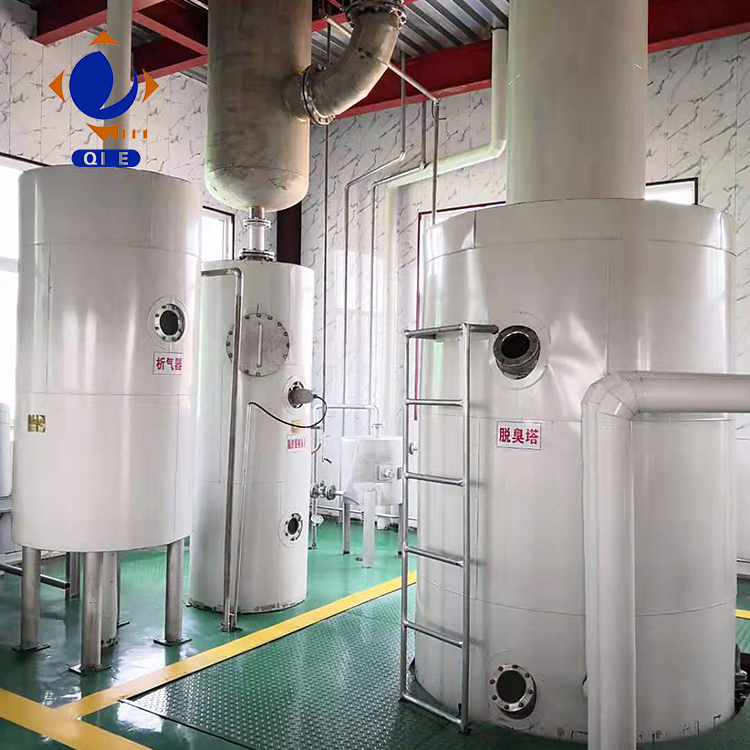
Beyond the technical specs, after-sales support anchors your long-term success. Key industry benchmarks you should demand include:
Different manufacturers’ policies vary significantly. Investing time in vetting real customer feedback and success stories is invaluable to avoid post-purchase frustration.
“Switching to a supplier with guaranteed 24-hour technical support reduced our downtime by 30% last year, optimizing our refining schedules.” — XYZ Oil Mills, Customer Testimonial

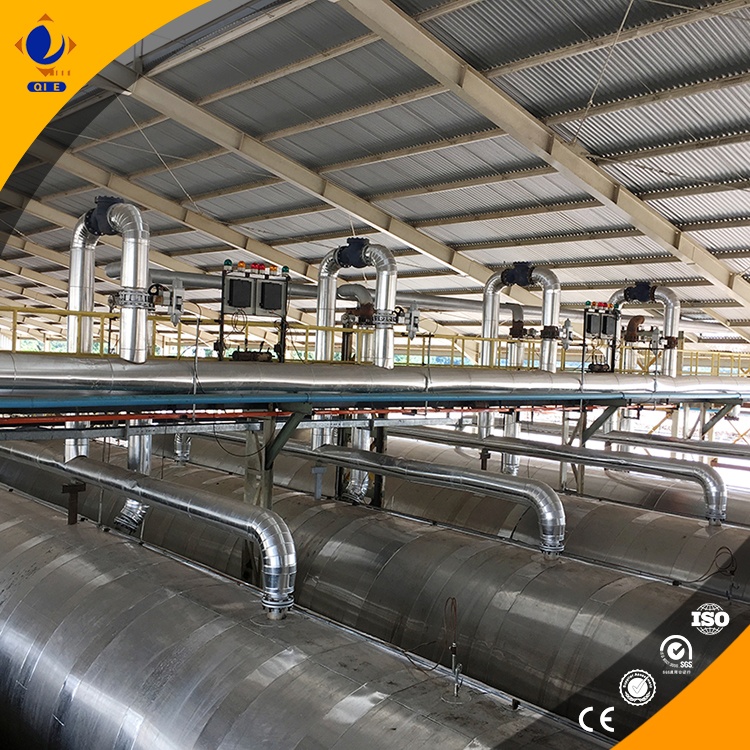
Certification such as ISO 9001 quality management systems and CE marking have become essential credentials reflecting the equipment’s conformity, safety, and sustainability. These certifications:
When comparing suppliers, verify their certification validity and how these standards translate into real operational benefits.
Here’s a concise evaluation framework to streamline your decision-making effectively:
 124
|
124
|
 peanut oil press machine
cold press vs hot press
peanut oil quality improvement
small scale oil pressing equipment
export grade oil press
389
|
peanut oil pressing technology
cold press vs hot press
peanut oil quality improvement
small-scale oil processing equipment
screw press application
465
|
sunflower seed oil refining equipment
automated temperature control system
high-temperature vacuum distillation
quality control process
edible oil processing technology
38
|
peanut oil screw pressing
comparison between hot - pressing and cold - pressing
peanut oil yield
high - end peanut oil export
grain and oil processing equipment
359
|
Peanut oil screw press
Peanut oil pressing process
Difference between hot and cold pressing
Grain and oil processing equipment
Oil yield improvement
peanut oil press machine
cold press vs hot press
peanut oil quality improvement
small scale oil pressing equipment
export grade oil press
389
|
peanut oil pressing technology
cold press vs hot press
peanut oil quality improvement
small-scale oil processing equipment
screw press application
465
|
sunflower seed oil refining equipment
automated temperature control system
high-temperature vacuum distillation
quality control process
edible oil processing technology
38
|
peanut oil screw pressing
comparison between hot - pressing and cold - pressing
peanut oil yield
high - end peanut oil export
grain and oil processing equipment
359
|
Peanut oil screw press
Peanut oil pressing process
Difference between hot and cold pressing
Grain and oil processing equipment
Oil yield improvement