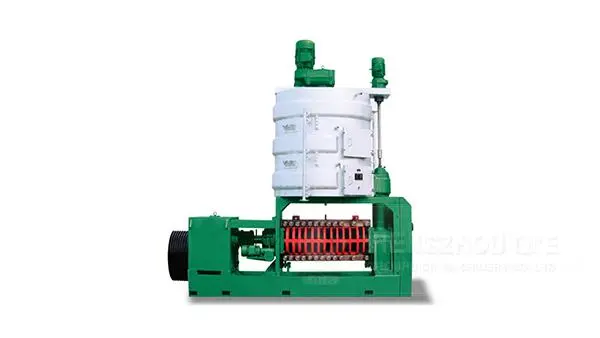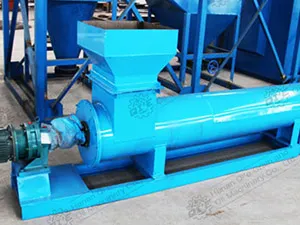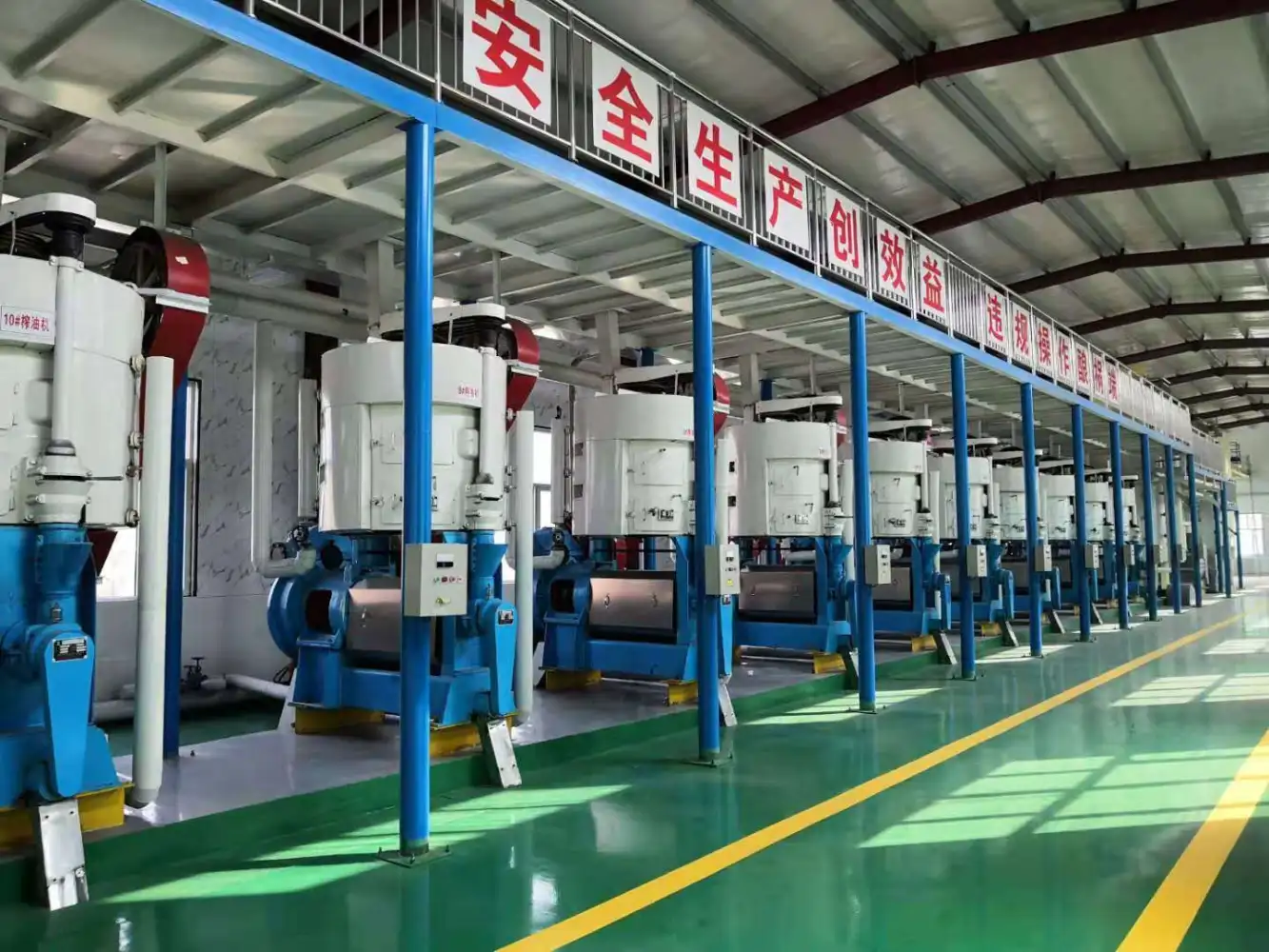
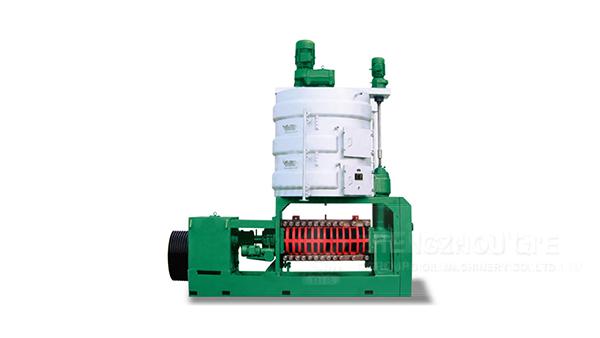
The Spiral Oil Press Machine stands at the forefront of industrial oil extraction technology, offering superior integration and operational efficiency tailored for continuous production environments. Maximizing output yield while minimizing maintenance expenses is the core challenge for industrial users. This guide demystifies effective installation, user-friendly interface controls, production line optimization, and proactive maintenance protocols supported by real-world engineering cases. It aims to empower businesses to sustain high-quality oil extraction while controlling operational costs in the long term.
Spiral oil presses leverage a continuous compression mechanism that improves extraction consistency and efficiency compared to batch or hydraulic presses. Designed for heavy-duty industrial environments, these machines excel in processing diverse seed types—including soybeans, sunflower seeds, and cottonseeds—with moisture content optimized between 8-12% to maximize oil recovery.
The compact integration of drive shafts, worm screws, and filtration modules reduces energy consumption by up to 15% compared to older models, contributing to sustainable production. Additionally, modular components allow rapid replacement and adaptation to varying throughput demands without significant downtime.
Proper installation is paramount for optimal performance. The process typically unfolds in these stages:
The intuitive user interface provides operators with real-time data dashboards highlighting pressing pressure, temperature, and motor RPM, enabling immediate adjustments to maintain peak efficiency.
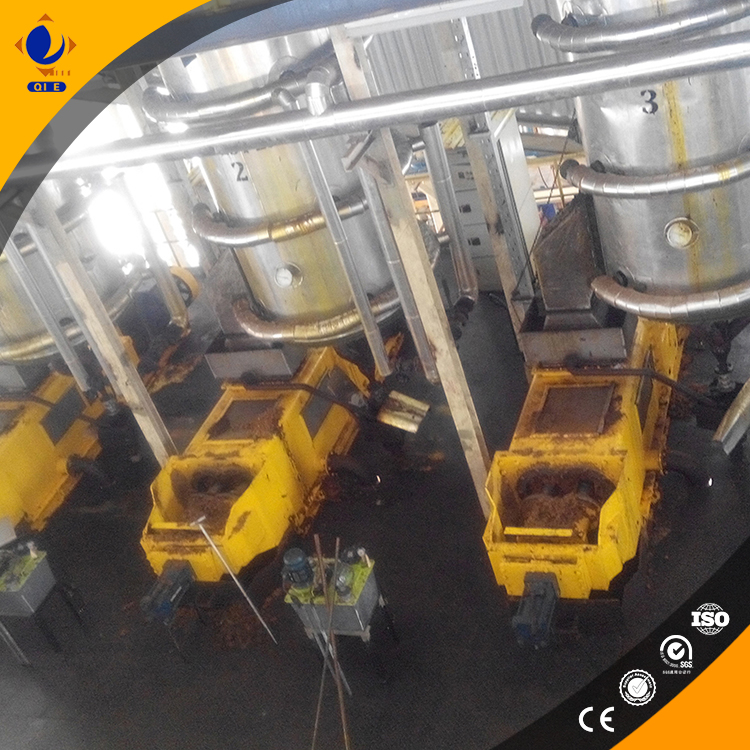
Strategic arrangement of machinery directly influences processing throughput and waste reduction. Key optimization tactics include:
This production flow not only elevates efficiency but also supports stable quality control by reducing contamination risks and mechanical stresses.
Establishing standardized workflows ensures repeatability and operator compliance, directly influencing output consistency. Recommended SOPs include:
By adhering to these SOPs, companies have reported a 7-10% increase in stable oil yield over six months.
Preventive maintenance dramatically reduces unexpected downtime and extends machine lifespan. Key maintenance intervals:
Common diagnostics include vibration pattern analysis and thermographic scanning to pre-empt mechanical failures. Employing these techniques has lowered maintenance-related unscheduled stops by 40%.
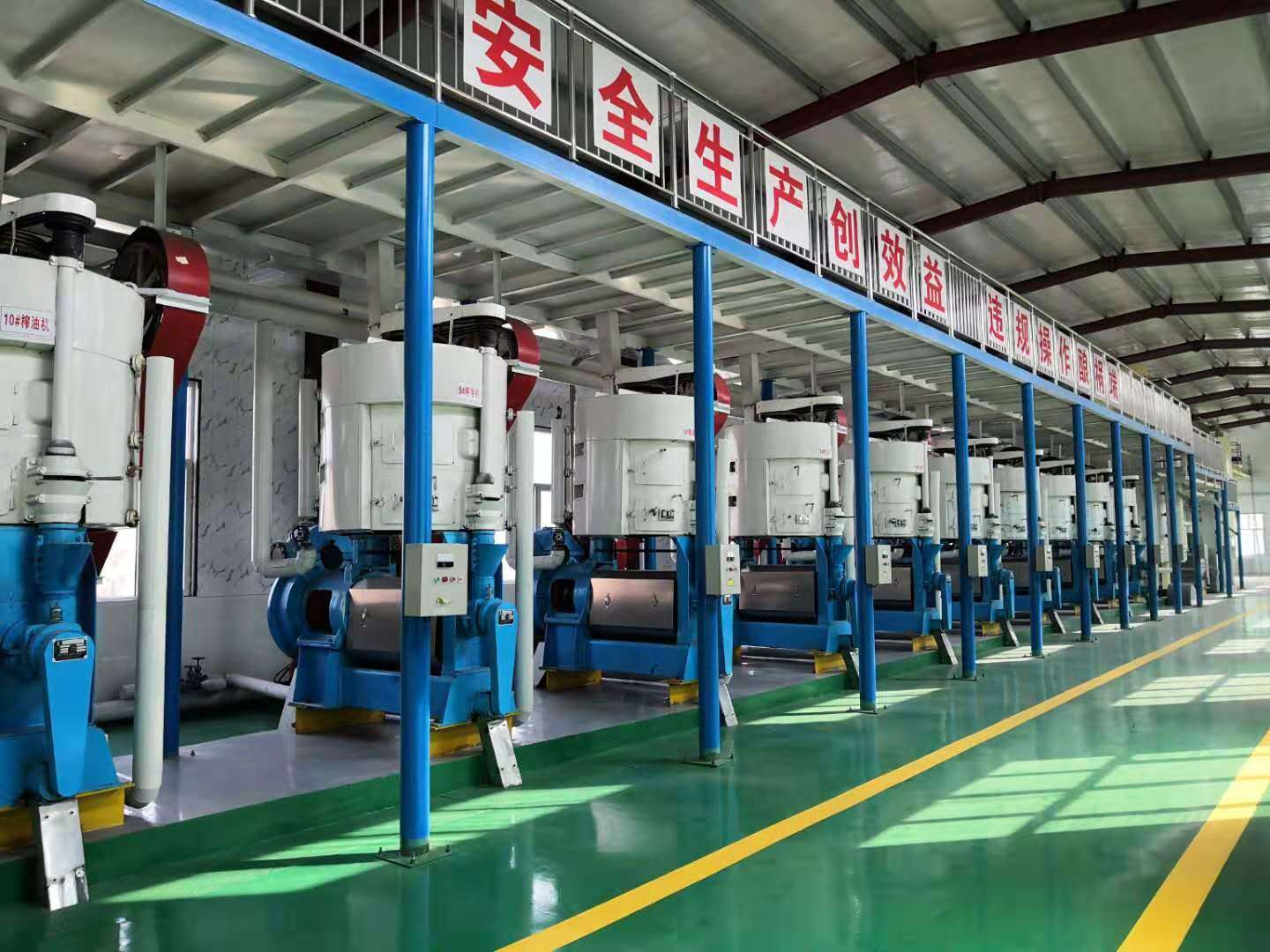
One penguin集团 client in Eastern Europe optimized their spiral oil press layout by integrating an automated seed moisturizer upstream, achieving a 9% rise in output yield and a 12% reduction in power consumption within three months. Additionally, standardizing their maintenance logs helped their technicians identify patterns leading to early bearing replacement, thus avoiding costly downtime.
These actionable insights validate the benefits of combining advanced equipment integration with rigorous procedural adherence.
Cold pressing employs low-temperature mechanical pressure, preserving delicate bioactive compounds but typically resulting in 5-8% lower oil yield relative to hot pressing. Hot pressing uses steam or heat pre-treatment to increase oil fluidity and extraction efficiency but may degrade some sensitive nutrients.
Selection depends on end-product requirements: for premium nutritional oils, cold pressing aligns with market demand, whereas industrial-scale production favoring maximum throughput often prioritizes hot pressing.
Achieving uninterrupted production requires:
Implementing these strategies can improve operational uptime by over 15%, directly impacting profitability.
 277
|
277
|
 magnetic separation technology
soybean oil pressing
oilseed processing
impurity removal
energy-saving pressing machine
391
|
small-scale peanut oil press machine
grain and oil processing equipment selection
peanut oil pressing maintenance tips
screw pressing technology
cold and hot pressing methods
445
|
peanut oil quality improvement
peanut oil pressing machine
hot press vs cold press
oil extraction process optimization
peanut oil refining technology
194
|
peanut oil expeller
peanut oil quality improvement
hot pressing vs cold pressing
oil extraction process optimization
peanut oil processing equipment
209
|
industrial spiral oil press maintenance
oil press daily upkeep
reducing oil press failure rate
grain and oil equipment care
spiral oil press structure analysis
magnetic separation technology
soybean oil pressing
oilseed processing
impurity removal
energy-saving pressing machine
391
|
small-scale peanut oil press machine
grain and oil processing equipment selection
peanut oil pressing maintenance tips
screw pressing technology
cold and hot pressing methods
445
|
peanut oil quality improvement
peanut oil pressing machine
hot press vs cold press
oil extraction process optimization
peanut oil refining technology
194
|
peanut oil expeller
peanut oil quality improvement
hot pressing vs cold pressing
oil extraction process optimization
peanut oil processing equipment
209
|
industrial spiral oil press maintenance
oil press daily upkeep
reducing oil press failure rate
grain and oil equipment care
spiral oil press structure analysis