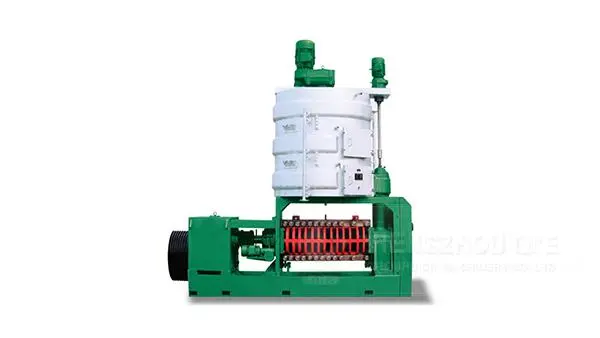
When managing a small- to medium-sized grain and oil processing enterprise, selecting the right peanut oil press is pivotal for operational success. You need equipment that balances compact design, energy efficiency, and output capacity while ensuring high oil quality and trouble-free maintenance. This guide dives deep into critical decision factors—from machine choice and pressing technology to upkeep strategies—helping you optimize your investment, reduce downtime, and enhance production yield.
Space constraints often limit the footprint available to processing plants like yours. A small specialized press fits seamlessly in confined environments, allowing efficient workflow without requiring costly expansions. Moreover, these compact units usually feature lower power consumption—typically between 2.2 to 5.5 kW—making them ideal for controlling energy costs amid fluctuating utility prices.
You should match the press capacity carefully with your target daily output. Presses designed for 50 to 200 kg/h processes align with typical demand from small enterprises, avoiding overinvestment and optimizing raw material usage. Investing in oversized machinery can raise overheads and complicate maintenance without commensurate benefit.
Selecting between cold and hot pressing techniques significantly impacts oil characteristics. Cold pressing retains maximum nutritional value and aroma, favored in premium markets adhering to standards such as GB/T 1532-2021 for peanut oil quality. However, cold pressing often yields lower oil output—averaging around 38–42%—compared to hot pressing which can reach 45–50% extraction efficiency.
Hot pressing involves higher input energy and seasoning of seeds, but results in greater yield and often lower residual oil content in the cake. This suits large-volume operations focused on maximum throughput. Your decision should weigh customer expectations, cost of downstream refining, and shelf-life requirements.
Several mechanical and operational parameters determine the operational cost and reliability:
Maintenance protocols, if followed diligently, not only prolong machine lifespan but drastically decrease unplanned outages. For your small equipment, a typical maintenance schedule includes:
| Maintenance Interval | Actions |
|---|---|
| Daily | Lubricate bearing points; clear seed residue; inspect motor temperature |
| Weekly | Check belt tension; clean oil filter; verify screw wear |
| Monthly | Inspect electrical controls; test pressure gauges; tighten fasteners |
Understanding common faults—such as motor overheating, oil leakages, or abnormal noise—and their root causes empowers your team to respond swiftly before production is impacted. Remember, prevention saves more than correctives.
“Adhering to GB/T 1532-2021 helps ensure your peanut oil meets stringent quality expectations indispensable in export markets.” – Industry Standard Reference
Partnering with suppliers that integrate patented technologies and maintain ISO-certified production systems guarantees you advanced performance and regulatory compliance. Brands like QIE Group combine innovative spiral screw press designs with a global service network—ensuring local support wherever you operate.
Leveraging such expertise means you don’t just buy equipment, you invest in enduring operational excellence. Whether streamlining daily operations or scaling production, their end-to-end solutions adapt to your evolving needs.
 425
|
425
|
 Screw pressing technology
Peanut oil yield improvement
Comparison of hot and cold pressing processes
Small peanut oil press
Energy-saving solutions for grain and oil processing
179
|
Small peanut oil press
Advantages of compact design
Energy efficiency assessment
Grain and oil processing equipment purchasing guide
Oil yield improvement
130
|
industrial spiral oil press
oil press selection guide
pressing ratio efficiency
ISO9001 certification oil equipment
after-sales technical support
192
|
Peanut oil press
Screw pressing technology
Grain and oil processing equipment
Hot and cold pressing processes
Oil yield improvement
39
|
small peanut oil press machine
oil press machine for small factories
energy-efficient oil press
peanut oil cold pressing
compact oil processing equipment
Screw pressing technology
Peanut oil yield improvement
Comparison of hot and cold pressing processes
Small peanut oil press
Energy-saving solutions for grain and oil processing
179
|
Small peanut oil press
Advantages of compact design
Energy efficiency assessment
Grain and oil processing equipment purchasing guide
Oil yield improvement
130
|
industrial spiral oil press
oil press selection guide
pressing ratio efficiency
ISO9001 certification oil equipment
after-sales technical support
192
|
Peanut oil press
Screw pressing technology
Grain and oil processing equipment
Hot and cold pressing processes
Oil yield improvement
39
|
small peanut oil press machine
oil press machine for small factories
energy-efficient oil press
peanut oil cold pressing
compact oil processing equipment