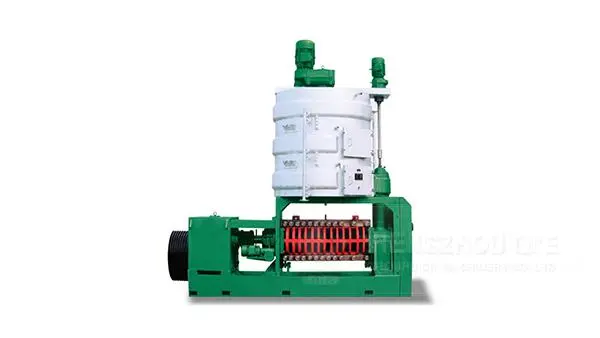
For small and medium-sized oilseed processors, choosing the right peanut oil press isn’t just about buying equipment—it’s about securing a competitive edge in a crowded market. With global demand for edible oils rising by 6.2% annually (FAO 2023), efficiency, reliability, and low maintenance are no longer optional—they’re essential.
The average small-scale peanut oil press today delivers up to 120–150 kg/hour of refined oil using only 2.5 kW per hour—significantly less than older models that consume 4–5 kW under similar output. This means not only lower electricity bills but also reduced heat generation, which improves safety and extends machine life.
A well-engineered press with precision-balanced screw shafts can run continuously for over 700 hours without major service interruptions—a benchmark set by ISO 11000 standards. For mills operating 8–10 hours/day, this translates to nearly 3 months of uninterrupted production between routine checks.
According to a 2022 study from the International Energy Agency (IEA), energy-efficient presses reduce operational costs by an average of 18–24% compared to legacy units. These savings become even more impactful when scaled across multiple shifts or seasonal peaks.
Modern presses feature modular components—like quick-release filter plates and self-lubricating bearings—that cut downtime by up to 40%. A simple weekly inspection checklist (including bolt torque checks and bearing grease levels) ensures consistent performance and prevents costly breakdowns.
Pro Tip: Many buyers overlook the importance of local support. Choose suppliers who offer remote diagnostics via mobile apps and provide spare parts within 72 hours—not just 30 days—to avoid production delays.
Download our free guide: “5 Steps to Choosing the Right Peanut Oil Press for Your Business” — packed with real-world examples, checklists, and expert tips used by over 200 successful SMEs worldwide.
Get Your Free Guide Now → 210
|
210
|
 Small peanut oil press operation tutorial
Peanut oil press maintenance skills
Grain and oil processing equipment usage guide
Screw press installation steps
Cold and hot pressing process application
219
|
Small peanut oil press purchase guide
Input - output ratio of grain and oil processing equipment
Comparison of hot and cold pressing processes
Maintenance points of peanut oil pressing equipment
Equipment selection for small grain and oil processing plants
246
|
screw press maintenance
peanut oil extraction optimization
cold press vs hot press
energy-efficient oil pressing
screw press parameter tuning
485
|
Peanut oil pressing technology
Hot and cold pressing comparison
Screw press
Grain and oil processing technology
Export peanut oil
109
|
small peanut oil press machine
peanut oil pressing technology
cold press vs hot press
oil extraction efficiency
equipment maintenance for oil mills
Small peanut oil press operation tutorial
Peanut oil press maintenance skills
Grain and oil processing equipment usage guide
Screw press installation steps
Cold and hot pressing process application
219
|
Small peanut oil press purchase guide
Input - output ratio of grain and oil processing equipment
Comparison of hot and cold pressing processes
Maintenance points of peanut oil pressing equipment
Equipment selection for small grain and oil processing plants
246
|
screw press maintenance
peanut oil extraction optimization
cold press vs hot press
energy-efficient oil pressing
screw press parameter tuning
485
|
Peanut oil pressing technology
Hot and cold pressing comparison
Screw press
Grain and oil processing technology
Export peanut oil
109
|
small peanut oil press machine
peanut oil pressing technology
cold press vs hot press
oil extraction efficiency
equipment maintenance for oil mills