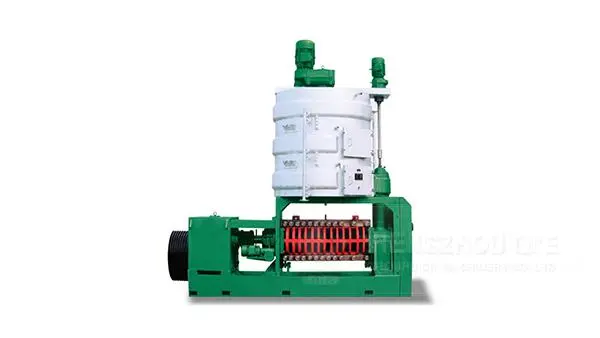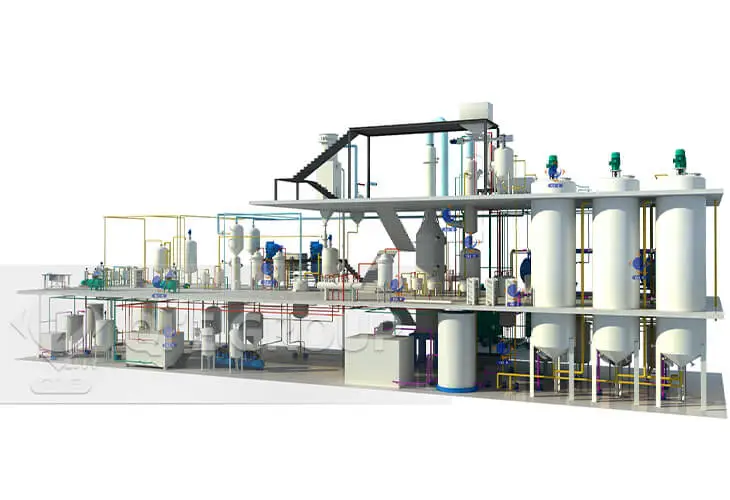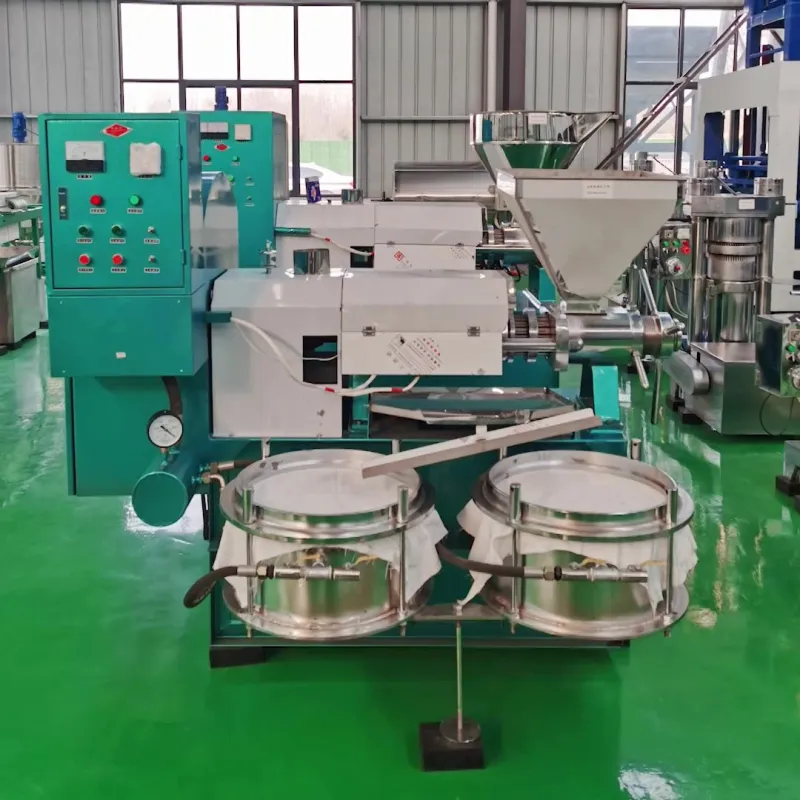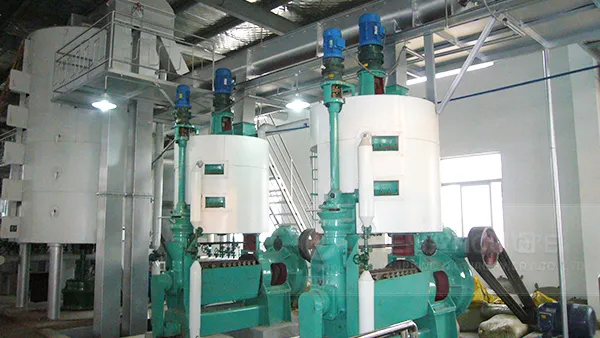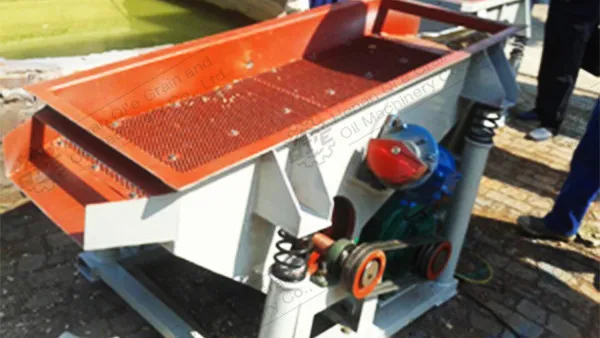
If you're involved in the small - to medium - sized grain and oil processing industry, a small peanut oil press can be a game - changer for your business. These machines come with a set of remarkable advantages. Firstly, their compact design means they take up minimal floor space in your processing facility. This is especially beneficial if you operate in a space - constrained environment. You can easily fit them into your existing production line without major reconfigurations.
Secondly, they support dual processes, both cold and hot pressing. Cold pressing retains more of the natural nutrients and flavors of peanuts, making it ideal for producing high - end, premium peanut oil. On the other hand, hot pressing can achieve higher oil output, which is great for mass - production. This flexibility allows you to cater to different market demands and customer preferences.
Lastly, small peanut oil presses are known for their high stability. They are built with durable materials and advanced manufacturing techniques, ensuring reliable operation over a long period. This means less downtime and more consistent production, leading to increased profitability in the long run.

Before bringing in your small peanut oil press, you need to prepare a suitable site. The floor should be flat and level to ensure the machine operates stably. The site should also have good ventilation to prevent the accumulation of heat and fumes during operation. Additionally, make sure there is easy access to power sources and water supplies if required.
Once the site is ready, carefully position the press. Leave enough space around the machine for easy operation, maintenance, and future expansion. Ensure that the machine is aligned properly according to the manufacturer's instructions.
Connect the electrical wires of the press to the appropriate power supply. It is crucial to follow strict electrical safety standards during this process. If you're not familiar with electrical work, it's recommended to hire a professional electrician to handle the connection.
After all the connections are made, perform a trial run. Check for any abnormal noises, vibrations, or malfunctions. This is the time to make any necessary adjustments before full - scale production.

Start the press in the correct sequence as specified in the user manual. Usually, this involves turning on the power, pre - heating the machine (for hot - pressing), and then gradually feeding the peanuts into the hopper. Following the right startup sequence can prevent damage to the machine and ensure optimal oil extraction.
Set the appropriate parameters such as temperature, pressure, and rotation speed according to the type of peanuts and the desired oil quality. Different peanut varieties may require different parameter settings for the best results.
Always wear appropriate safety gear when operating the press, such as gloves and safety glasses. Keep your hands and other objects away from moving parts. Do not overload the machine beyond its rated capacity.
Regular maintenance is essential for the long - term performance of your small peanut oil press. Clean the machine after each operation to remove peanut residues and oil stains. A clean machine not only operates more efficiently but also has a lower risk of breakdowns. Lubricate the moving parts at least once a week to reduce friction and wear. Additionally, replace the vulnerable parts such as filters and seals at regular intervals (usually every 3 - 6 months depending on usage). A well - maintained press can significantly extend its service life and improve oil quality.
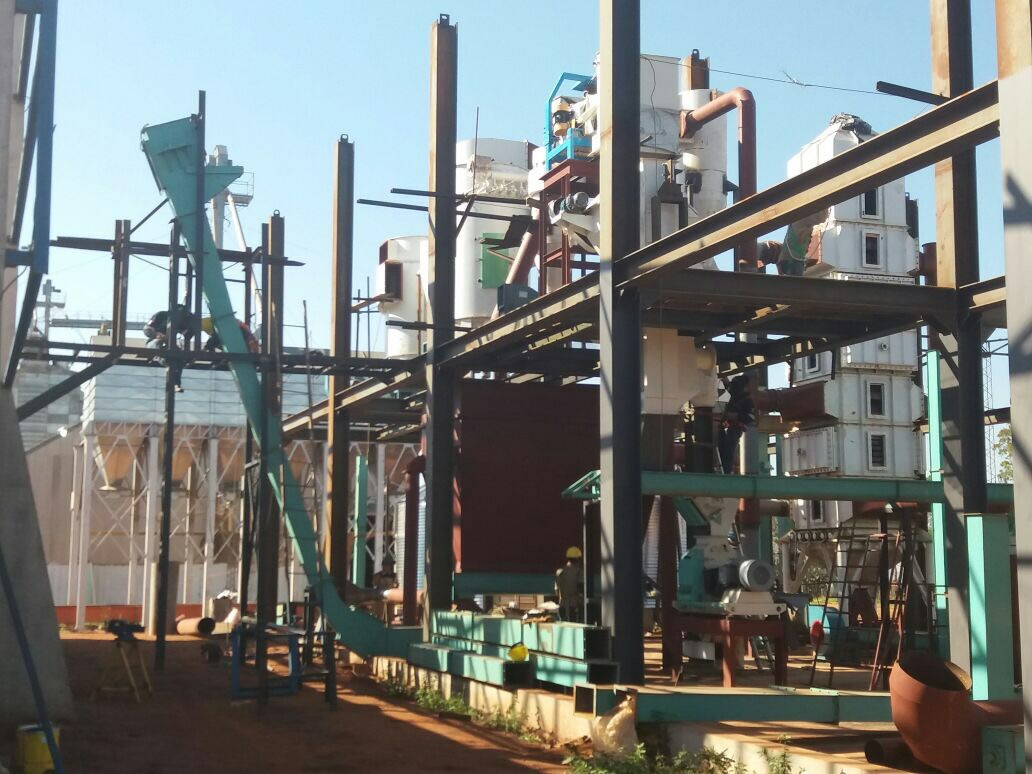
There are some common issues you may encounter during the operation of the press. For example, if the oil output is low, it could be due to a clogged filter or improper parameter settings. Check and clean the filter, and adjust the parameters accordingly. If there is an increase in noise, it may indicate a problem with the bearings or other moving parts. Stop the machine immediately and inspect these components. By identifying and addressing these issues early, you can prevent major breakdowns and ensure continuous production.
In the grain and oil processing industry, adhering to industry standards is crucial. For instance, GB/T 23781 sets out a series of requirements for the production of edible oils.
By following these standards, you can ensure the quality and safety of your peanut oil, which is essential for building a good reputation in the market and meeting regulatory requirements.Standardized operation also helps in improving production efficiency and reducing waste.
Ready to take your small - scale peanut oil production to the next level? Click here to learn more about Penguin Group's professional after - sales support and technical training services!
 218
|
218
|
 peanut oil press
screw pressing technology
green energy - efficiency
hot - pressing and cold - pressing processes
grain and oil processing equipment
273
|
Screw pressing technology
Peanut oil pressing process
Difference between hot and cold pressing
Small peanut oil press
Grain and oil processing equipment
39
|
small peanut oil press machine
oil press machine for small factories
energy-efficient oil press
peanut oil cold pressing
compact oil processing equipment
485
|
Peanut oil pressing technology
Hot and cold pressing comparison
Screw press
Grain and oil processing technology
Export peanut oil
134
|
Peanut oil screw press
Screw pressing equipment maintenance
Peanut oil extraction rate optimization
Comparison of hot - pressing and cold - pressing processes
Parameter adjustment of grain and oil processing equipment
peanut oil press
screw pressing technology
green energy - efficiency
hot - pressing and cold - pressing processes
grain and oil processing equipment
273
|
Screw pressing technology
Peanut oil pressing process
Difference between hot and cold pressing
Small peanut oil press
Grain and oil processing equipment
39
|
small peanut oil press machine
oil press machine for small factories
energy-efficient oil press
peanut oil cold pressing
compact oil processing equipment
485
|
Peanut oil pressing technology
Hot and cold pressing comparison
Screw press
Grain and oil processing technology
Export peanut oil
134
|
Peanut oil screw press
Screw pressing equipment maintenance
Peanut oil extraction rate optimization
Comparison of hot - pressing and cold - pressing processes
Parameter adjustment of grain and oil processing equipment