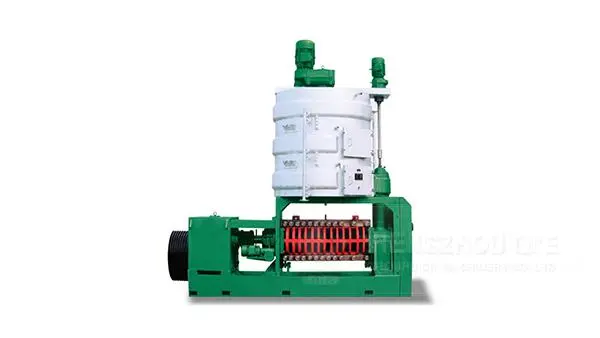
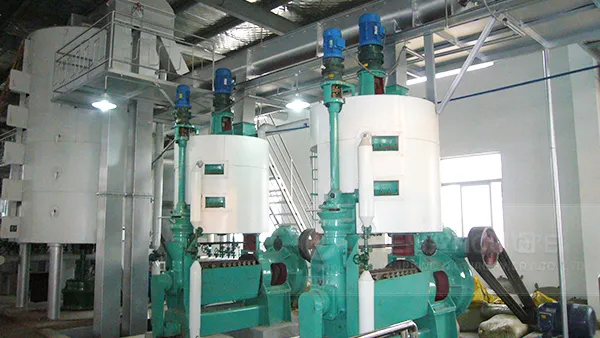
Running a small-scale oil mill? You know that downtime isn’t just costly—it’s a direct hit on your output and reputation. According to industry data from the International Association of Food Processing Equipment (IAFPE), over 60% of unplanned machine failures in peanut oil presses stem from poor maintenance practices—not mechanical defects.
Start with the basics. A clean press isn’t just about appearance—it’s about performance. Daily tasks like wiping down the screw press chamber, checking for residue buildup, and inspecting hydraulic pressure gauges can prevent up to 40% of common issues before they escalate. Use food-grade lubricants (ISO VG 68) on moving parts every 72 hours during peak production cycles—this simple step extends bearing life by an average of 3–5 months.
GB/T 21461.1-2008 — This Chinese national standard outlines minimum maintenance intervals for small oil presses used in export markets. Adhering to it ensures compliance with EU and Middle East import regulations.
When your oil yield drops unexpectedly, don’t rush to replace parts. Here’s how to diagnose fast:
These steps, when followed consistently, reduce emergency repairs by up to 70%—a win for both productivity and team morale.
Set up a weekly inspection log using a digital checklist app (like Google Sheets or Airtable). Track oil temperature, pressure readings, and noise levels. Even subtle changes—like a 2°C rise in motor temp—can signal early wear. With consistent tracking, you’ll catch issues long before they become breakdowns.
For mills operating in humid climates (e.g., Southeast Asia or West Africa), consider installing a basic humidity sensor near the press. High ambient humidity increases risk of rust on metal components—even if the unit seems dry.
Remember: preventive care isn’t optional. It’s the difference between running smoothly for 5 years—or needing major repairs after 18 months.
Download our free PDF Guide: “Small Peanut Oil Press Maintenance Manual” — complete with checklists, flowcharts, and real-world case studies from global clients.
Get the Full PDF Now → 425
|
425
|
 Screw pressing technology
Peanut oil yield improvement
Comparison of hot and cold pressing processes
Small peanut oil press
Energy-saving solutions for grain and oil processing
492
|
Small peanut oil press
Energy - saving and environment - friendly oil pressing equipment
Grain and oil processing equipment selection guide
Peanut oil press maintenance
Hot and cold pressing processes
39
|
small peanut oil press machine
oil press machine for small factories
energy-efficient oil press
peanut oil cold pressing
compact oil processing equipment
443
|
screw press equipment
peanut oil processing
hot press vs cold press
oil mill optimization
screw press selection
410
|
peanut oil processing technology
cold pressing vs hot pressing
peanut oil quality improvement
oil extraction equipment
pressing process optimization
Screw pressing technology
Peanut oil yield improvement
Comparison of hot and cold pressing processes
Small peanut oil press
Energy-saving solutions for grain and oil processing
492
|
Small peanut oil press
Energy - saving and environment - friendly oil pressing equipment
Grain and oil processing equipment selection guide
Peanut oil press maintenance
Hot and cold pressing processes
39
|
small peanut oil press machine
oil press machine for small factories
energy-efficient oil press
peanut oil cold pressing
compact oil processing equipment
443
|
screw press equipment
peanut oil processing
hot press vs cold press
oil mill optimization
screw press selection
410
|
peanut oil processing technology
cold pressing vs hot pressing
peanut oil quality improvement
oil extraction equipment
pressing process optimization