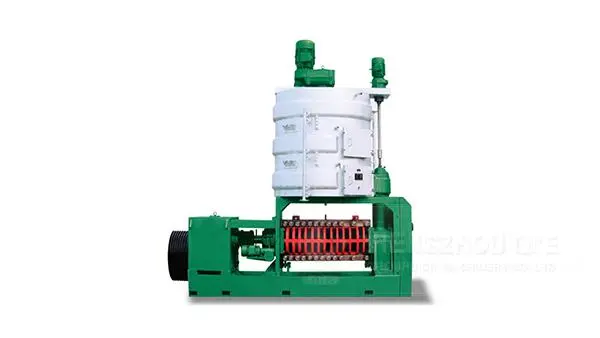
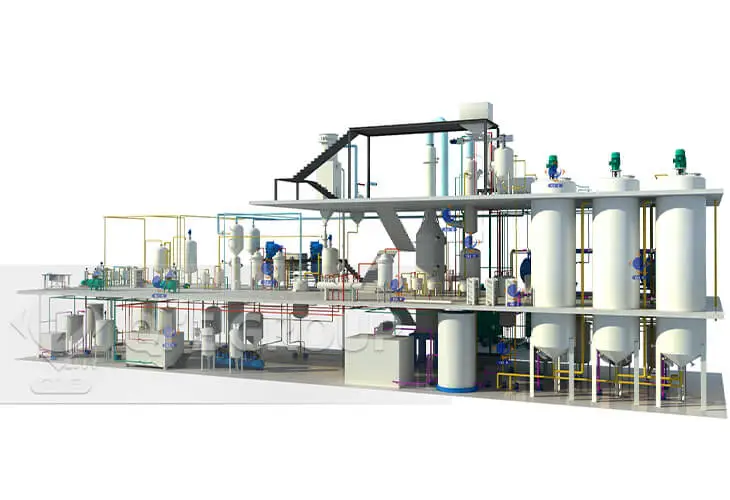
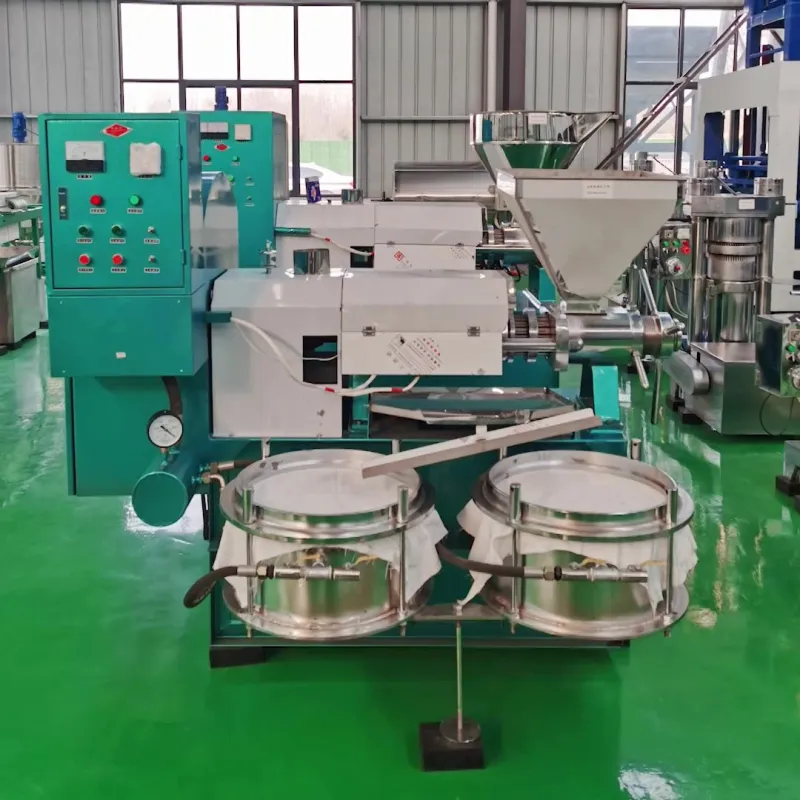
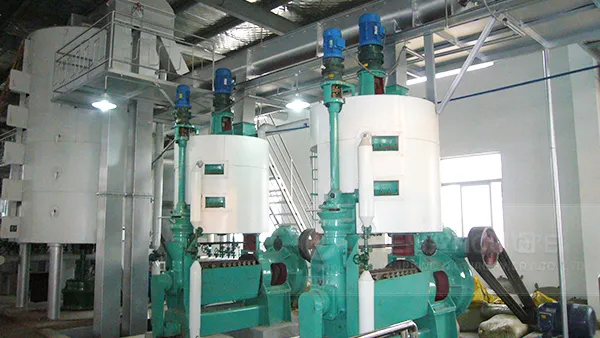
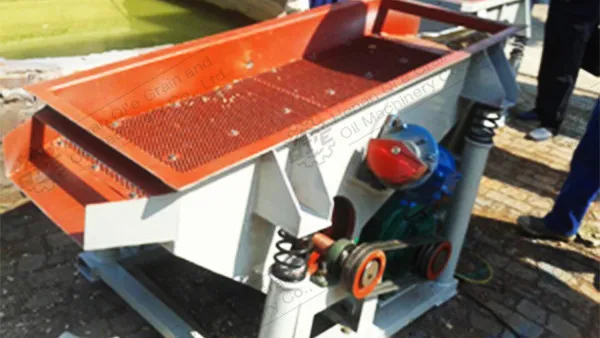
For mid-sized oilseed processors in emerging markets—especially those handling peanuts—the right press machine isn’t just a capital investment—it’s a strategic lever for profitability, consistency, and sustainability. According to industry benchmarks (GB/T 15329-2021), well-maintained small-scale presses can achieve up to 92% extraction efficiency, significantly outperforming outdated or improperly selected models that often hover around 70–75%.
When evaluating peanut oil presses under 500 kg/h capacity, focus on three core metrics:
While both methods work, the choice hinges on end-market demands. Cold pressing preserves more natural flavors, antioxidants like tocopherols, and essential fatty acids—ideal for premium oils sold in Europe and North America. In contrast, hot pressing offers faster throughput and higher yields but may reduce shelf life due to oxidation. For value-added export markets, cold-pressed oils command up to 25% price premiums.
💡 Industry Insight: The global demand for cold-pressed oils is growing at 9.4% CAGR (Source: FAO 2023). If you're targeting EU or US buyers, investing in cold-press technology now pays off within 12–18 months through improved margins and brand positioning.
One of our clients, Qingshan Food Co., based in Guangxi, China, replaced an aging manual press with a compact 300 kg/h automated peanut oil press. Within six months, they saw:
This case illustrates how proper selection—not just size—is critical. Their success wasn’t accidental; it was driven by data-backed decisions and proactive maintenance planning.
Regular checks every 150 operating hours—including bearing lubrication, screw tension calibration, and filter cleaning—can extend equipment life by up to 4 years. Common issues like uneven pressure or excessive noise are usually caught early if operators follow a simple checklist. We recommend scheduling quarterly technical audits by certified engineers to ensure compliance with ISO 9001 standards.
🔍 Pro Tip: Keep a digital logbook for each machine—track maintenance dates, part replacements, and performance metrics. It helps identify patterns before failures occur and supports warranty claims if needed.
 131
|
131
|
 spiral pressing technology
peanut oil yield optimization
cold press vs hot press
small scale oil extraction
peanut oil quality improvement
360
|
peanut oil expeller maintenance
small oil processing equipment
oil press machine troubleshooting
energy-efficient oil extraction
equipment lifespan extension
483
|
small peanut oil press machine
oil press machine maintenance
spiral pressing technology
cold press vs hot press
peanut oil extraction efficiency
39
|
small peanut oil press machine
oil press machine for small factories
energy-efficient oil press
peanut oil cold pressing
compact oil processing equipment
211
|
industrial spiral oil press
high-efficiency oil extraction equipment
small to medium-sized oil processing plant
extraction rate analysis
ISO9001 certification
spiral pressing technology
peanut oil yield optimization
cold press vs hot press
small scale oil extraction
peanut oil quality improvement
360
|
peanut oil expeller maintenance
small oil processing equipment
oil press machine troubleshooting
energy-efficient oil extraction
equipment lifespan extension
483
|
small peanut oil press machine
oil press machine maintenance
spiral pressing technology
cold press vs hot press
peanut oil extraction efficiency
39
|
small peanut oil press machine
oil press machine for small factories
energy-efficient oil press
peanut oil cold pressing
compact oil processing equipment
211
|
industrial spiral oil press
high-efficiency oil extraction equipment
small to medium-sized oil processing plant
extraction rate analysis
ISO9001 certification