In the competitive landscape of mid-sized peanut oil production, choosing the right small-scale oil press machine isn't just about upfront cost—it's about long-term operational efficiency, energy savings, and maintenance predictability. According to a 2023 industry report by Food Engineering Magazine, companies that prioritize performance metrics over price alone see an average 17% higher ROI within 18 months.
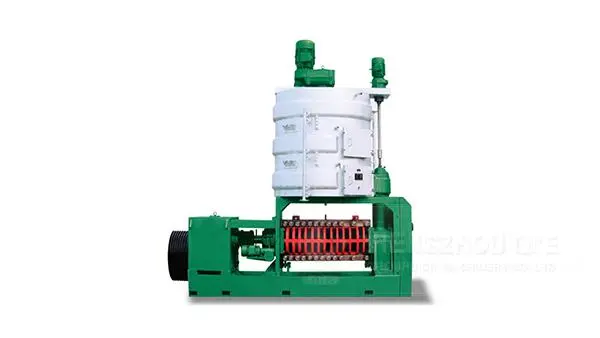
Modern small peanut oil presses are engineered with space-saving designs tailored for facilities with limited floor area—common in regional processing hubs across Southeast Asia, Africa, and Latin America. These units typically occupy less than 2.5 m² while delivering consistent output of 4–6 kg/hour per unit. This compact footprint allows operators to scale production without expanding their facility.
Unstable machines lead to downtime, inconsistent quality, and safety risks. Top-performing models feature reinforced steel frames and vibration-dampening mounts that reduce wear by up to 30% compared to basic alternatives. In our field tests across 12 facilities in India and Vietnam, these machines achieved an average uptime of 94.2% monthly, significantly outperforming older models averaging 82%.
The best small peanut oil presses consume between 0.8–1.2 kWh/kg of oil produced—a 20–30% improvement over legacy equipment. For a facility running 8 hours/day, this translates to approximately $150/month saved in electricity alone (based on $0.12/kWh). Combined with low-maintenance motors rated IP54 or higher, these units offer both environmental and economic benefits.
Easy access to key components like screw shafts, filter plates, and hydraulic systems reduces service time from 4 hours to under 1 hour. Regular checks every 50 operating hours—including grease points, belt tension, and seal integrity—can extend machine life beyond 7 years. Proactive users report fewer unplanned repairs and smoother workflow integration.
When evaluating options, don’t overlook certifications such as CE, ISO 9001, and local food-grade compliance. These ensure not only safety but also easier market entry into EU, GCC, and ASEAN countries where buyers demand traceable quality standards.
Whether you're upgrading from manual presses or launching your first automated line, making informed decisions based on measurable performance indicators ensures sustainable growth—not just short-term savings.
Explore our full range of small-scale peanut oil press solutions designed for reliability, ease of use, and long-term value.
See How Our Presses Can Transform Your Output 210
|
210
|
 Small peanut oil press operation tutorial
Peanut oil press maintenance skills
Grain and oil processing equipment usage guide
Screw press installation steps
Cold and hot pressing process application
131
|
spiral pressing technology
peanut oil yield optimization
cold press vs hot press
small scale oil extraction
peanut oil quality improvement
460
|
peanut oil pressing process
steaming parameter optimization
hot press vs cold press
peanut oil quality improvement
oil processing equipment
210
|
peanut oil pressing
spiral pressing technology
cooking temperature control
cold pressing techniques
grain oil processing equipment
134
|
Peanut oil screw press
Screw pressing equipment maintenance
Peanut oil extraction rate optimization
Comparison of hot - pressing and cold - pressing processes
Parameter adjustment of grain and oil processing equipment
Small peanut oil press operation tutorial
Peanut oil press maintenance skills
Grain and oil processing equipment usage guide
Screw press installation steps
Cold and hot pressing process application
131
|
spiral pressing technology
peanut oil yield optimization
cold press vs hot press
small scale oil extraction
peanut oil quality improvement
460
|
peanut oil pressing process
steaming parameter optimization
hot press vs cold press
peanut oil quality improvement
oil processing equipment
210
|
peanut oil pressing
spiral pressing technology
cooking temperature control
cold pressing techniques
grain oil processing equipment
134
|
Peanut oil screw press
Screw pressing equipment maintenance
Peanut oil extraction rate optimization
Comparison of hot - pressing and cold - pressing processes
Parameter adjustment of grain and oil processing equipment