In the competitive landscape of peanut oil processing, small and medium-sized enterprises (SMEs) are constantly seeking ways to improve the quality of their products while reducing production costs. This article delves into the key techniques of parameter adjustment in peanut oil processing, aiming to help these plants enhance the aroma of peanut oil and minimize production losses.
Every step in the peanut oil processing, from raw material cleaning, crushing, steaming to pressing, has a significant impact on the aroma and loss of peanut oil. For example, proper raw material cleaning can remove impurities, which not only improves the purity of the final product but also reduces unnecessary losses during the pressing process. Studies have shown that a well - cleaned raw material can reduce the loss rate by about 5 - 8%.
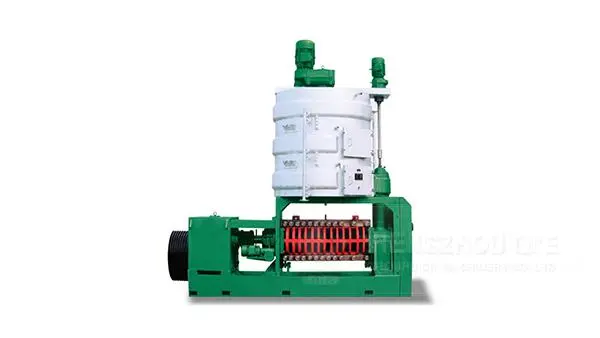
The application of advanced peanut oil presses specifically designed for small factories is crucial. These machines are more suitable for the production scale of SMEs. For instance, a certain model of small - scale peanut oil press can increase the oil extraction rate by 3 - 5% compared to traditional equipment. The article analyzes two mainstream pressing processes: hot pressing and cold pressing.
Hot pressing generally produces peanut oil with a stronger aroma. The high - temperature treatment during the process can release more aromatic substances in peanuts. However, it may also cause some nutrient loss. Cold pressing, on the other hand, can better preserve the nutrients in peanuts, but the aroma of the oil is relatively mild. The choice between the two processes depends on the market demand and product positioning. For example, in the high - end health food market, cold - pressed peanut oil is more popular, while in the general cooking oil market, hot - pressed peanut oil with a strong aroma is preferred.
The article provides practical operation suggestions and parameter optimization strategies. For temperature control, in the steaming process, the temperature should be controlled at about 100 - 120°C for hot pressing to ensure the release of aroma substances. For cold pressing, the temperature should be kept below 60°C to preserve nutrients. In terms of material humidity, the moisture content of peanuts should be around 8 - 10% to achieve the best pressing effect.
There are also some customer success cases in the article. A small peanut oil processing factory adjusted the pressing parameters according to the suggestions in the article. After three months of operation, the aroma of their peanut oil was significantly improved, and the production loss was reduced by 7%. This led to an increase in market share and profitability.
In addition to the above - mentioned technical details, the article also emphasizes the importance of technical support and after - sales service. With a perfect technical support system, SMEs can quickly solve problems encountered in production, ensuring the stability of production and the quality of products.
If you want to learn more about peanut oil processing technology and get practical parameter adjustment strategies, don't miss our "Peanut Oil Pressing Process Optimization Manual". You can also make an appointment for expert consultation to help your factory achieve higher - quality peanut oil production and greater market competitiveness.
 131
|
131
|
 industrial spiral oil press
oil press selection guide
pressing ratio efficiency
ISO9001 certification oil equipment
after-sales technical support
61
|
Peanut oil screw pressing
Oil yield improvement
Hot pressing and cold pressing
Grain and oil processing equipment
Screw pressing technology
211
|
industrial spiral oil press
high-efficiency oil extraction equipment
small to medium-sized oil processing plant
extraction rate analysis
ISO9001 certification
293
|
peanut oil press
small grain and oil processing equipment
equipment purchase guide
equipment maintenance skills
energy - saving and environmental - friendly press
127
|
Peanut oil pressing technology
Cooking process optimization
Cold - pressing and hot - pressing comparison
Peanut oil quality improvement
Grain and oil processing equipment
industrial spiral oil press
oil press selection guide
pressing ratio efficiency
ISO9001 certification oil equipment
after-sales technical support
61
|
Peanut oil screw pressing
Oil yield improvement
Hot pressing and cold pressing
Grain and oil processing equipment
Screw pressing technology
211
|
industrial spiral oil press
high-efficiency oil extraction equipment
small to medium-sized oil processing plant
extraction rate analysis
ISO9001 certification
293
|
peanut oil press
small grain and oil processing equipment
equipment purchase guide
equipment maintenance skills
energy - saving and environmental - friendly press
127
|
Peanut oil pressing technology
Cooking process optimization
Cold - pressing and hot - pressing comparison
Peanut oil quality improvement
Grain and oil processing equipment