In the dynamic landscape of the grain and oil processing industry, small and medium-sized enterprises (SMEs) face the crucial task of making informed decisions when it comes to purchasing and maintaining peanut oil presses. This article aims to provide a detailed overview of the key factors that SMEs should consider, from the initial procurement to the long-term operation and maintenance of these essential pieces of equipment.
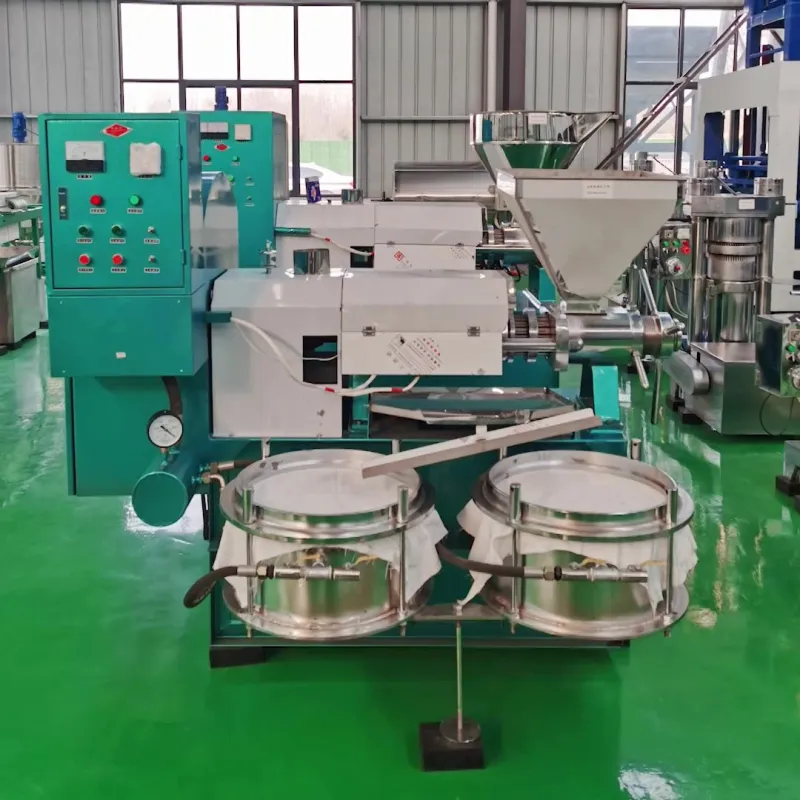
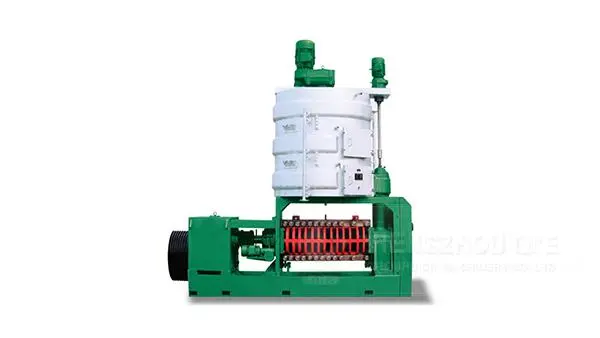
When evaluating small peanut oil presses, several key performance indicators stand out. Firstly, the compact design of the equipment offers significant advantages in terms of space utilization and cost savings. A well-designed press can fit into smaller production facilities, reducing the need for large-scale infrastructure investments. For example, a press with a footprint of just [X] square meters can be a game-changer for SMEs with limited space.
Secondly, the running stability of the press is crucial for ensuring continuous production. A stable press can operate for extended periods without major breakdowns, minimizing production disruptions. Industry standards suggest that a high-quality press should have a breakdown rate of less than [X]% per year, ensuring smooth and efficient production processes.
Energy efficiency and environmental friendliness are also top priorities for modern SMEs. Energy-efficient presses can reduce electricity consumption by up to [X]%, contributing to both cost savings and the company's sustainability goals. Additionally, environmentally friendly presses produce fewer emissions and waste, aligning with global trends towards green manufacturing.
Finally, the ease of maintenance is a critical factor that can significantly impact the overall cost of ownership. A press that is easy to maintain requires less time and labor for routine checks and repairs, reducing downtime and operational costs. For instance, a press with a modular design allows for quick and easy replacement of parts, minimizing maintenance time.
To make a rational purchasing decision, SMEs need to conduct a scientific evaluation of the input-output ratio of small peanut oil presses. This involves considering not only the initial purchase price but also the long-term operating costs, including energy consumption, maintenance expenses, and potential productivity gains. By comparing different models and brands, SMEs can identify the press that offers the best value for money.
One effective way to evaluate the input-output ratio is to use a flowchart that outlines the key steps in the decision-making process. This flowchart can include factors such as equipment specifications, performance indicators, and cost projections, helping SMEs to make more informed and objective decisions.
Proper maintenance is essential for ensuring the long-term performance and reliability of small peanut oil presses. This section provides detailed guidelines on daily maintenance steps, maintenance cycles, and fault prevention strategies. Regular maintenance can extend the lifespan of the press by up to [X] years, reducing the need for frequent replacements.
Daily maintenance tasks include cleaning the press, checking for loose parts, and lubricating moving components. Maintenance cycles should be established based on the manufacturer's recommendations and the actual operating conditions of the press. By following these maintenance schedules, SMEs can prevent major breakdowns and ensure the smooth operation of their production lines.
In addition to regular maintenance, SMEs should also have a comprehensive troubleshooting plan in place. This plan should include a list of common faults, their possible causes, and the corresponding solutions. By being prepared for potential problems, SMEs can minimize downtime and reduce the impact on production.
Are you ready to take your peanut oil production to the next level? Discover Qiee Group's leading peanut oil press solutions by visiting our website. Our team of experts is dedicated to providing you with the best equipment and after-sales service to ensure your business success.
 218
|
218
|
 peanut oil press
screw pressing technology
green energy - efficiency
hot - pressing and cold - pressing processes
grain and oil processing equipment
134
|
Peanut oil screw press
Screw pressing equipment maintenance
Peanut oil extraction rate optimization
Comparison of hot - pressing and cold - pressing processes
Parameter adjustment of grain and oil processing equipment
109
|
small peanut oil press machine
peanut oil pressing technology
cold press vs hot press
oil extraction efficiency
equipment maintenance for oil mills
410
|
peanut oil processing technology
cold pressing vs hot pressing
peanut oil quality improvement
oil extraction equipment
pressing process optimization
427
|
Screw pressing technology
Peanut oil press
Grain and oil processing equipment
Hot and cold pressing processes
Energy-saving pressing technology
peanut oil press
screw pressing technology
green energy - efficiency
hot - pressing and cold - pressing processes
grain and oil processing equipment
134
|
Peanut oil screw press
Screw pressing equipment maintenance
Peanut oil extraction rate optimization
Comparison of hot - pressing and cold - pressing processes
Parameter adjustment of grain and oil processing equipment
109
|
small peanut oil press machine
peanut oil pressing technology
cold press vs hot press
oil extraction efficiency
equipment maintenance for oil mills
410
|
peanut oil processing technology
cold pressing vs hot pressing
peanut oil quality improvement
oil extraction equipment
pressing process optimization
427
|
Screw pressing technology
Peanut oil press
Grain and oil processing equipment
Hot and cold pressing processes
Energy-saving pressing technology