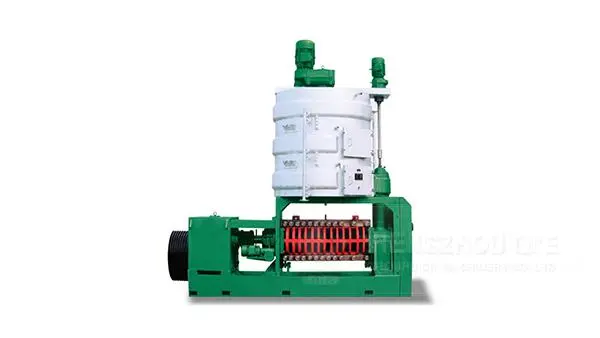
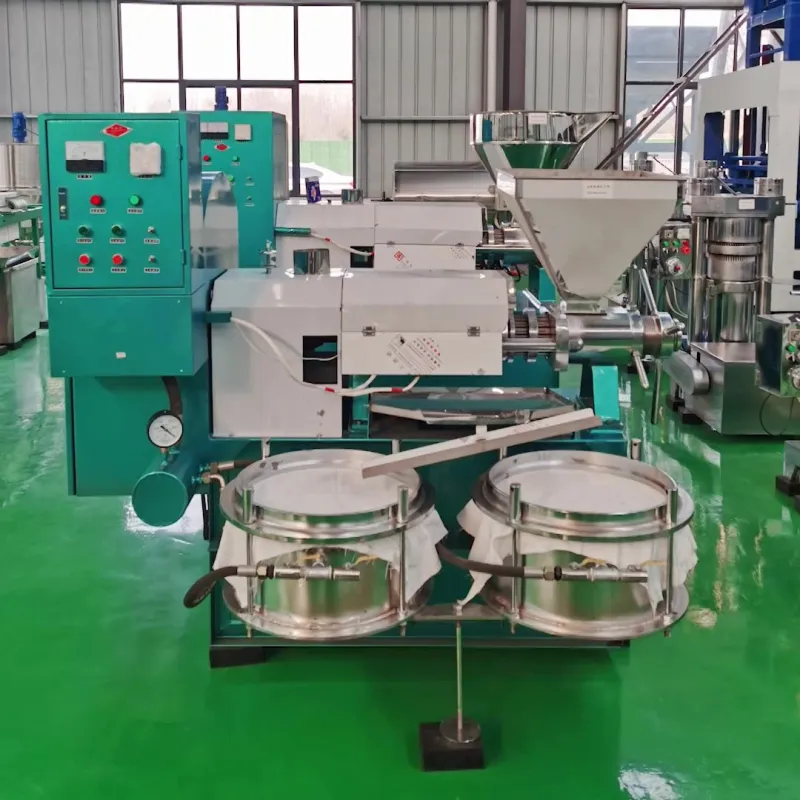
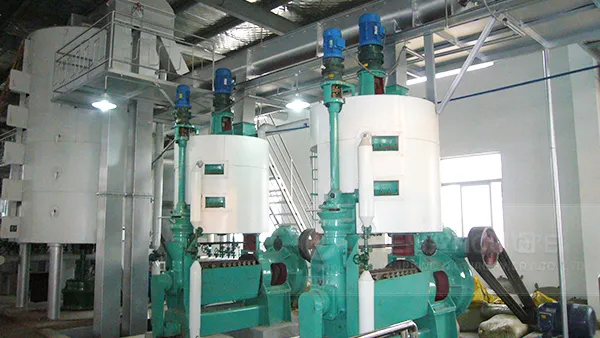
For small and mid-sized oil mills aiming to compete globally, selecting the right screw press isn’t just about machinery—it’s a strategic decision that impacts yield, quality, and compliance with international standards. Many producers still rely on outdated equipment, leading to inconsistent extraction rates (often below 75%) and higher energy consumption per ton of oil.
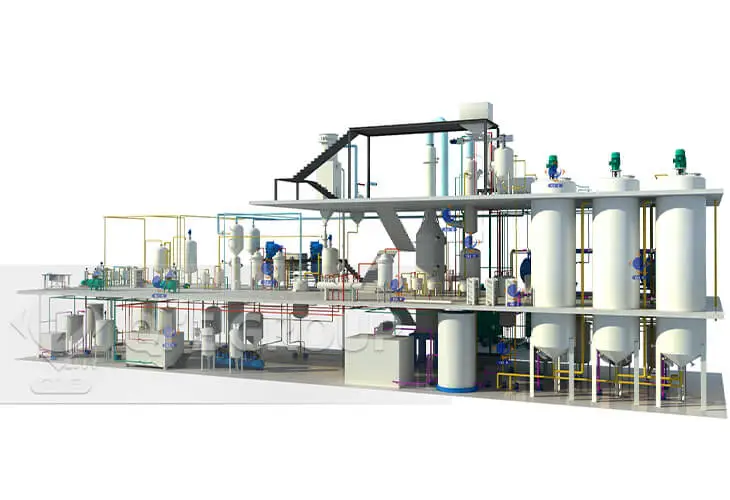
Modern screw presses integrate cleaning, crushing, conditioning, and pressing into one seamless flow. This reduces manual handling, minimizes contamination risks, and improves throughput by up to 30%. For instance, a well-designed system can maintain material temperature within ±2°C during steam conditioning—critical for consistent oil clarity and reduced solvent use in downstream refining.
Understanding your target market is key:
“In our experience, cold-pressed oils from properly calibrated screw presses command 20–30% higher margins in EU markets—not because of the press itself, but due to consistency and traceability.” — Dr. Lena Müller, Food Processing Consultant, Germany
Even the best equipment underperforms without proper setup:

With tightening regulations like the EU Green Deal and U.S. EPA energy benchmarks, efficient screw presses are now essential. New models reduce power consumption by up to 25% compared to older hydraulic systems—a major factor in long-term cost savings and ESG reporting.
Whether you’re entering the export market or optimizing existing operations, choosing the right screw press means investing in process intelligence—not just hardware.
Download the Free Process Optimization Guide for Small Oil Mills 131
|
131
|
 spiral pressing technology
peanut oil yield optimization
cold press vs hot press
small scale oil extraction
peanut oil quality improvement
131
|
industrial spiral oil press
oil press selection guide
pressing ratio efficiency
ISO9001 certification oil equipment
after-sales technical support
210
|
peanut oil pressing
spiral pressing technology
cooking temperature control
cold pressing techniques
grain oil processing equipment
347
|
cold pressed peanut oil
hot pressed peanut oil
peanut oil processing methods
premium peanut oil export
functional oil production
134
|
Peanut oil screw press
Screw pressing equipment maintenance
Peanut oil extraction rate optimization
Comparison of hot - pressing and cold - pressing processes
Parameter adjustment of grain and oil processing equipment
spiral pressing technology
peanut oil yield optimization
cold press vs hot press
small scale oil extraction
peanut oil quality improvement
131
|
industrial spiral oil press
oil press selection guide
pressing ratio efficiency
ISO9001 certification oil equipment
after-sales technical support
210
|
peanut oil pressing
spiral pressing technology
cooking temperature control
cold pressing techniques
grain oil processing equipment
347
|
cold pressed peanut oil
hot pressed peanut oil
peanut oil processing methods
premium peanut oil export
functional oil production
134
|
Peanut oil screw press
Screw pressing equipment maintenance
Peanut oil extraction rate optimization
Comparison of hot - pressing and cold - pressing processes
Parameter adjustment of grain and oil processing equipment