In the realm of edible oil processing, traditional peanut oil pressing methods have long faced challenges such as low efficiency and high losses. The peanut oil screw pressing technology introduced by QIE Group offers a revolutionary solution. This article delves into the core of this technology, exploring how it can significantly enhance oil yield and optimize production processes.
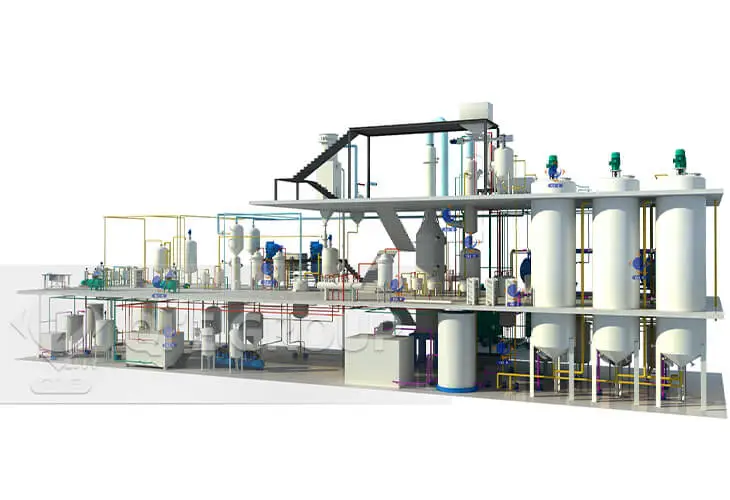
The screw pressing technology for peanut oil involves four key steps: cleaning, crushing, cooking, and pressing. The integrated design of the equipment streamlines these processes, reducing material losses and environmental pollution. For instance, traditional methods may result in a loss of up to 10% during the transfer between different processing steps, while the integrated screw press can cut this loss to less than 3%.
This step removes impurities such as dirt, stones, and broken peanuts from the raw materials. A well - cleaned raw material ensures a higher quality of the final oil product and also protects the subsequent processing equipment from damage.
The cleaned peanuts are then crushed into smaller particles. This increases the surface area of the peanuts, making it easier for the oil to be released during the subsequent pressing process. The crushing process can typically break the peanuts into particles of about 2 - 3 mm in size.
Cooking is a crucial step that affects the oil yield and quality. By heating the crushed peanuts to an appropriate temperature, the oil cells are broken down, facilitating oil extraction. The cooking temperature can be adjusted according to different requirements, usually ranging from 80°C to 120°C.
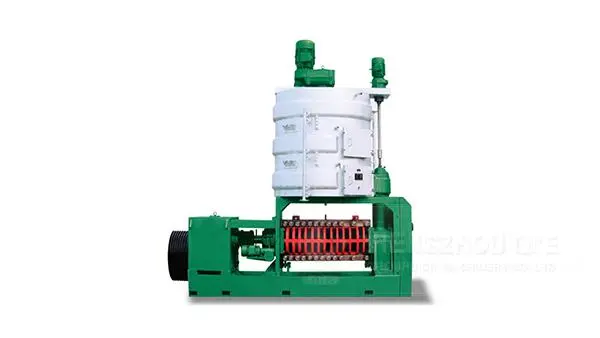
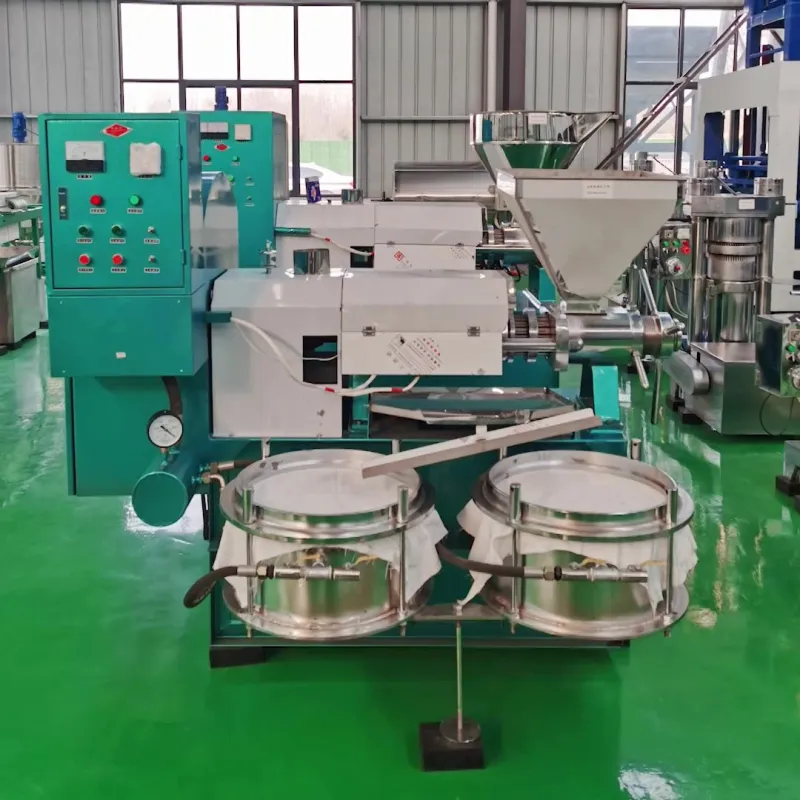
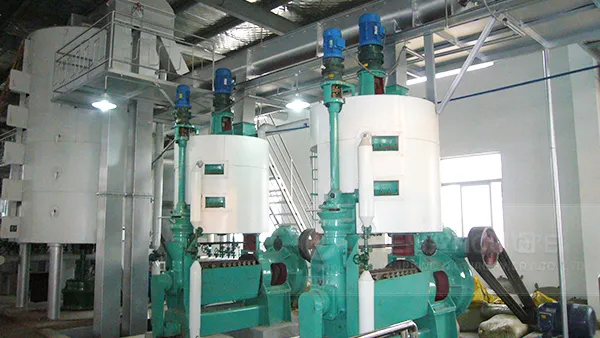
Finally, the cooked peanuts are pressed by the screw press. The advanced screw design of the press applies continuous pressure to the peanuts, squeezing out the oil. Compared with traditional presses, the screw press can increase the oil yield by about 5 - 8 percentage points, reaching an average oil yield of up to 45%.
In peanut oil production, there are two main pressing processes: hot - pressing and cold - pressing. Each has its own characteristics and is suitable for different application scenarios.
| Process | Temperature Control | Oil Flavor | Nutrient Retention | Suitable Scenarios |
|---|---|---|---|---|
| Hot - pressing | Above 100°C | Rich and strong flavor | Some nutrients may be lost | For general cooking and mass - market products |
| Cold - pressing | Below 60°C | Mild and natural flavor | High retention of nutrients | For high - end and health - conscious products |
In actual production, operators often encounter various problems. For example, the oil yield may decrease due to improper screw speed adjustment. Here are some practical operation tips:
In addition, with the increasing emphasis on environmental protection and energy conservation, the peanut oil processing industry is also moving towards green manufacturing. The screw press technology introduced by QIE Group is in line with this trend, featuring energy - saving design and low - pollution operation.
Do you have any questions about peanut oil screw pressing technology? Feel free to leave your questions in the comments section below, and we will do our best to answer them.
Are you interested in learning more about the advanced peanut oil screw pressing technology and how it can transform your oil production process? Click here to get a detailed process optimization manual and explore the potential of your peanut oil production.
 131
|
131
|
 spiral pressing technology
peanut oil yield optimization
cold press vs hot press
small scale oil extraction
peanut oil quality improvement
218
|
peanut oil press
screw pressing technology
green energy - efficiency
hot - pressing and cold - pressing processes
grain and oil processing equipment
273
|
Screw pressing technology
Peanut oil pressing process
Difference between hot and cold pressing
Small peanut oil press
Grain and oil processing equipment
210
|
peanut oil pressing
spiral pressing technology
cooking temperature control
cold pressing techniques
grain oil processing equipment
443
|
screw press equipment
peanut oil processing
hot press vs cold press
oil mill optimization
screw press selection
spiral pressing technology
peanut oil yield optimization
cold press vs hot press
small scale oil extraction
peanut oil quality improvement
218
|
peanut oil press
screw pressing technology
green energy - efficiency
hot - pressing and cold - pressing processes
grain and oil processing equipment
273
|
Screw pressing technology
Peanut oil pressing process
Difference between hot and cold pressing
Small peanut oil press
Grain and oil processing equipment
210
|
peanut oil pressing
spiral pressing technology
cooking temperature control
cold pressing techniques
grain oil processing equipment
443
|
screw press equipment
peanut oil processing
hot press vs cold press
oil mill optimization
screw press selection