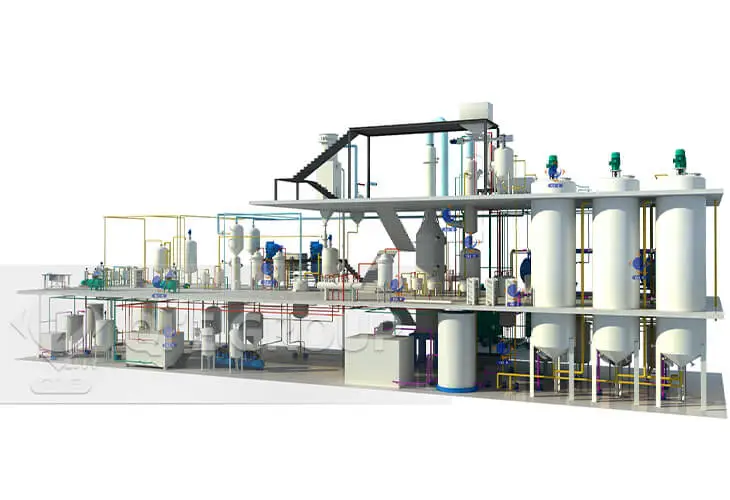
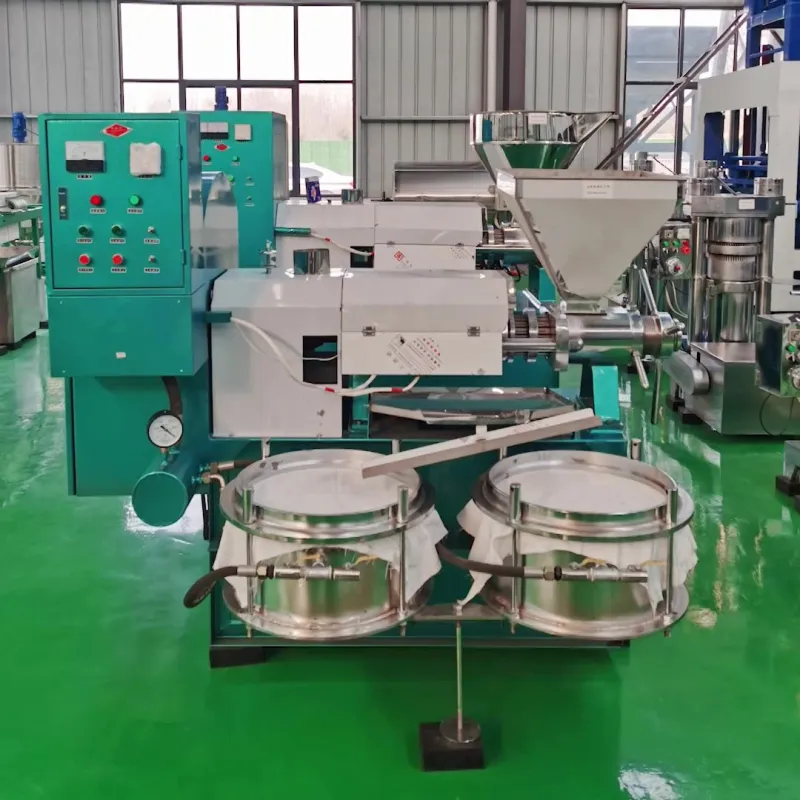
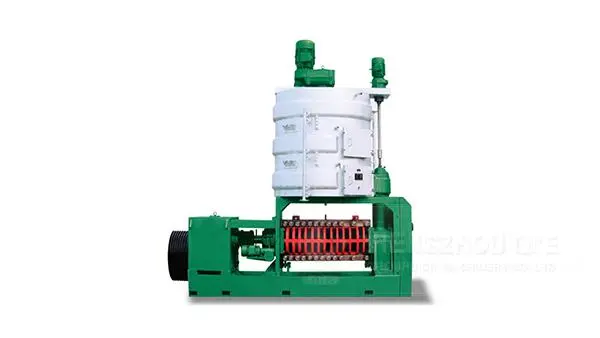
This article delves deep into the core technology and integrated process of the peanut oil screw press specifically designed for small factories by QIE Group. It comprehensively introduces the entire process from cleaning, crushing, steaming to pressing, with a focus on how the screw pressing technology effectively enhances the oil extraction rate and ensures the purity of the oil.
The screw pressing technology of the peanut oil press is a key factor in achieving high - efficiency and stable production. The integrated process starts with the cleaning stage. The cleaning equipment can remove impurities such as dust, stones, and broken shells from peanuts, with an impurity removal rate of up to 98%. This ensures that the subsequent processes are not affected by impurities, thereby improving the quality of the final oil product.
After cleaning, the peanuts enter the crushing stage. The crusher can break the peanuts into small pieces, increasing the surface area for subsequent processing. The particle size of the crushed peanuts is usually controlled between 2 - 5 mm, which is conducive to the full contact between the peanuts and steam in the steaming process.
In the steaming stage, the temperature is generally controlled at 100 - 120°C for about 30 - 40 minutes. This process can soften the peanuts, making it easier to extract oil. The screw press then squeezes the steamed peanuts. The screw press uses a special screw structure to gradually increase the pressure, and the pressure can reach up to 30 - 50 MPa, effectively increasing the oil extraction rate. The oil extraction rate of this screw press can reach 45% - 50%, which is significantly higher than some traditional presses.
Hot - pressing and cold - pressing are two common peanut oil processing methods, each with its own advantages and applicable scenarios. In hot - pressing, the temperature is usually controlled at 120 - 130°C. This process can produce oil with a strong aroma and a relatively high oil extraction rate. However, some nutrients may be lost due to high - temperature processing. Cold - pressing, on the other hand, is carried out at a lower temperature, generally below 60°C. It can better retain the nutrients and original flavor of peanuts, but the oil extraction rate is relatively low, usually around 40% - 45%.
For applications where flavor is emphasized, such as in high - end cooking oils, hot - pressing may be more suitable. For health - conscious consumers, cold - pressed peanut oil is a better choice. By understanding the differences between these two processes, oil and grain processing enterprises can choose the most appropriate process according to their market positioning and product requirements.
Adjusting the parameters of the screw press is crucial for optimizing production efficiency and product quality. For example, the pitch of the screw and the rotation speed need to be matched according to different raw materials. For peanuts with high moisture content, a larger pitch and a lower rotation speed can be used to ensure smooth pressing. When the moisture content is low, a smaller pitch and a higher rotation speed can improve the oil extraction rate.
In addition, common equipment operation problems such as blockage and abnormal noise can be solved by adjusting parameters. For example, if blockage occurs, reducing the feeding speed and adjusting the screw rotation speed can usually solve the problem. These parameter adjustment skills can help enterprises reduce energy consumption and maintenance costs, and improve the overall production efficiency.
In line with the industry's trend of green manufacturing and energy - saving policies, this screw press technology has also made corresponding improvements. For example, the energy consumption of this equipment is 15% - 20% lower than some traditional presses, which not only meets the requirements of environmental protection but also reduces the production cost for enterprises.
If you want to learn more about the details of this peanut oil screw press and obtain a process optimization manual, please click here. This will help you enhance your technical knowledge and market competitiveness in the oil and grain processing industry.
 246
|
246
|
 screw press maintenance
peanut oil extraction optimization
cold press vs hot press
energy-efficient oil pressing
screw press parameter tuning
443
|
screw press equipment
peanut oil processing
hot press vs cold press
oil mill optimization
screw press selection
347
|
cold pressed peanut oil
hot pressed peanut oil
peanut oil processing methods
premium peanut oil export
functional oil production
109
|
small peanut oil press machine
peanut oil pressing technology
cold press vs hot press
oil extraction efficiency
equipment maintenance for oil mills
106
|
Cold-pressed peanut oil process
Hot-pressed peanut oil process
Peanut oil pressing technology
Grain and oil processing equipment
Peanut oil quality improvement
screw press maintenance
peanut oil extraction optimization
cold press vs hot press
energy-efficient oil pressing
screw press parameter tuning
443
|
screw press equipment
peanut oil processing
hot press vs cold press
oil mill optimization
screw press selection
347
|
cold pressed peanut oil
hot pressed peanut oil
peanut oil processing methods
premium peanut oil export
functional oil production
109
|
small peanut oil press machine
peanut oil pressing technology
cold press vs hot press
oil extraction efficiency
equipment maintenance for oil mills
106
|
Cold-pressed peanut oil process
Hot-pressed peanut oil process
Peanut oil pressing technology
Grain and oil processing equipment
Peanut oil quality improvement