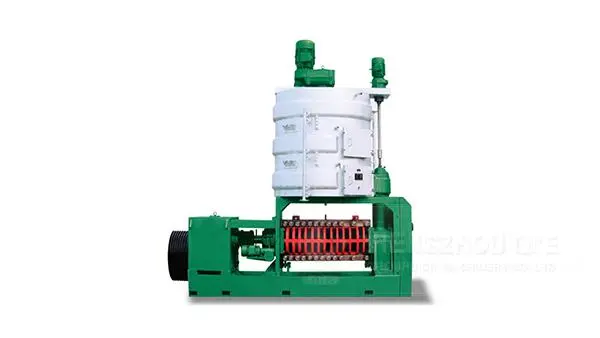
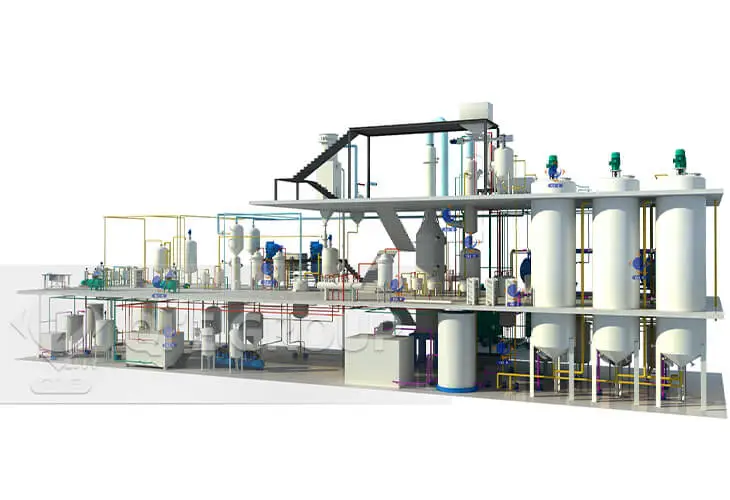
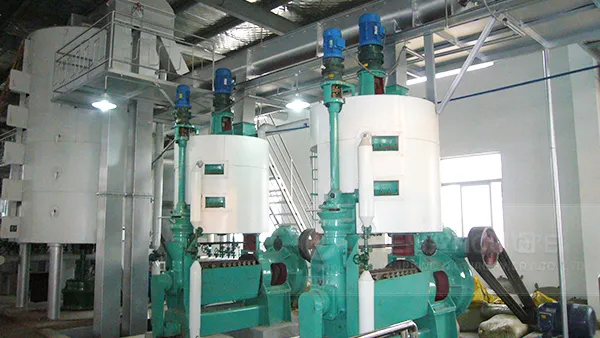
Spiral pressing technology is a key method in peanut oil production. The principle is to use the rotation of the screw to continuously push the peanut raw materials forward, and through the gradually decreasing volume of the pressing chamber, the oil is squeezed out from the peanuts. This technology offers several advantages in peanut oil production. Firstly, it has an integrated process. From the moment peanuts enter the press to the final output of oil, it is a continuous and seamless process. This integration significantly reduces the loss and pollution that may occur during the transfer of materials between different machines. For example, compared with traditional multi - step pressing methods, the integrated spiral pressing process can reduce material loss by about 10% and pollution probability by about 15%, ensuring the purity and quality of the final product.
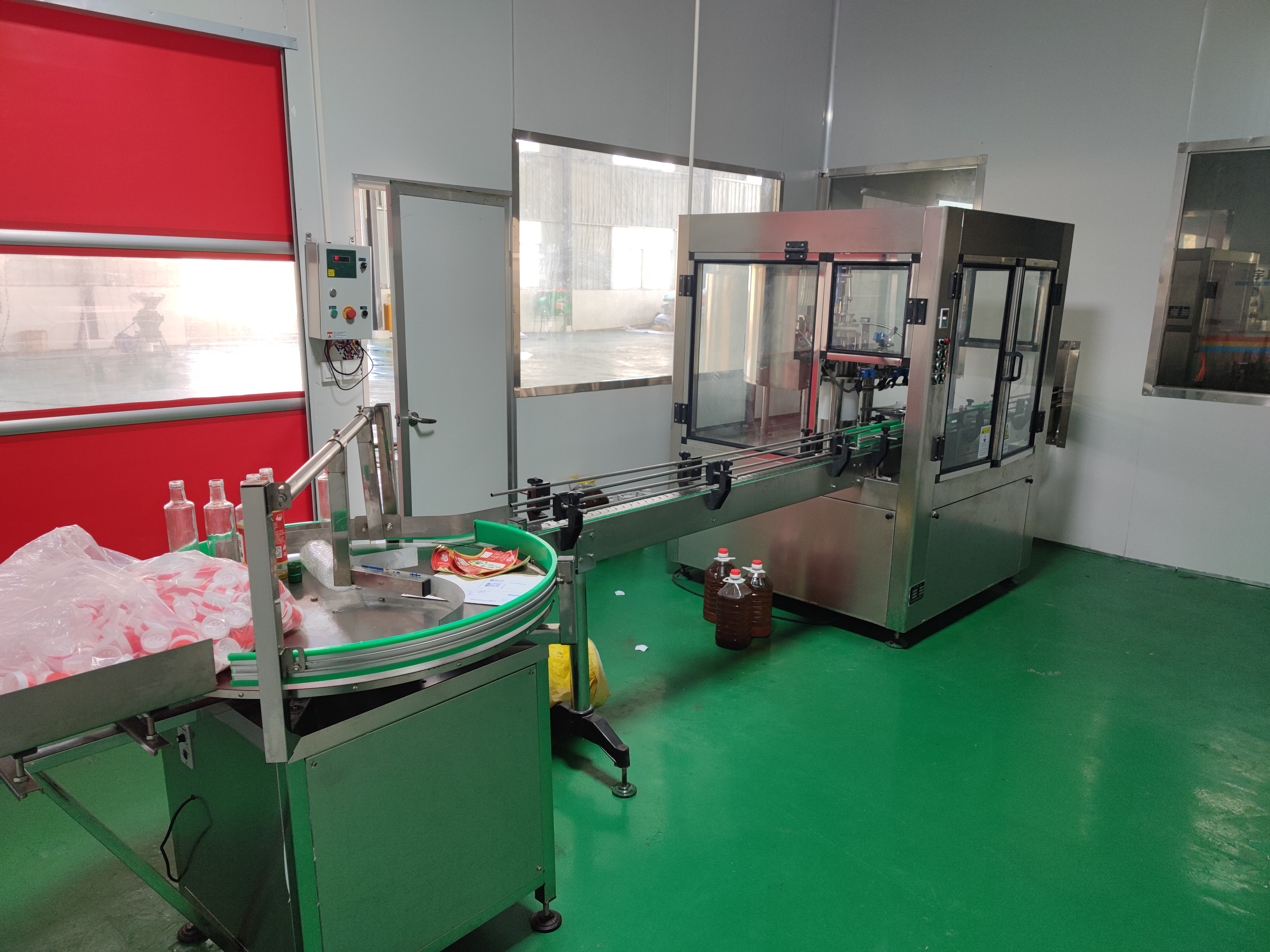
Hot - pressing and cold - pressing are two main processes in peanut oil production, each with its own characteristics and applicable market scenarios.
Hot - pressing usually operates at a temperature range of 120 - 180°C. In contrast, cold - pressing is carried out at a relatively low temperature, generally below 60°C. This difference in temperature has a significant impact on the final product.
Hot - pressed peanut oil has a rich and strong peanut flavor. The high - temperature process can fully release the aromatic substances in peanuts, making the oil have a more intense and appealing taste. On the other hand, cold - pressed peanut oil retains the natural and mild flavor of peanuts, which is more suitable for consumers who prefer a lighter and purer taste.
During the hot - pressing process, some heat - sensitive nutrients in peanuts may be lost to a certain extent. For example, vitamin E content may decrease by about 10 - 15%. In cold - pressing, since the temperature is low, most of the nutrients in peanuts are well - preserved. Therefore, cold - pressed peanut oil is often considered more nutritious.
Hot - pressed peanut oil is very popular in markets where consumers prefer a strong - flavored oil, such as some Asian countries. It is often used in traditional stir - frying and deep - frying dishes. Cold - pressed peanut oil, with its high nutritional value, is more suitable for health - conscious consumers in European and American markets, and is often used in salad dressings and direct consumption.
"The choice between hot - pressing and cold - pressing should be based on the target market and consumer preferences. Each process has its own unique value in the peanut oil market," said Dr. Smith, an expert in food processing technology.
Regular cleaning is essential. After each use, the pressing chamber and screw should be cleaned to prevent the accumulation of peanut residues, which can affect the pressing efficiency and the quality of the oil. Lubrication of moving parts is also crucial. The bearings and gears should be lubricated according to the manufacturer's instructions to ensure smooth operation and reduce wear and tear.
The rotation speed and pitch of the screw are two key parameters. For different peanut varieties and moisture contents, the rotation speed and pitch need to be adjusted accordingly. For example, when processing peanuts with high moisture content, a lower rotation speed and a larger pitch can be used to ensure a more thorough pressing. Generally, for common peanut varieties, a rotation speed of 30 - 40 revolutions per minute and a pitch of 5 - 8 cm can achieve a good pressing effect.
One common problem is screw wear. If the screw is worn, it will affect the pressing force and the oil output. Regular inspection of the screw surface for signs of wear is necessary. Another issue is the blockage of the oil outlet. This can be caused by excessive peanut residues or improper adjustment of the pressing parameters. By monitoring the oil output and pressure during operation, potential blockages can be detected early and preventive measures can be taken.

In recent years, the industry has been emphasizing green manufacturing and energy - saving certification. For peanut oil production enterprises, using energy - efficient spiral pressing equipment and optimizing process parameters to reduce energy consumption is in line with the development trend of the industry. For example, by adjusting the rotation speed and pitch of the screw, energy consumption can be reduced by about 10 - 15%. Moreover, enterprises that meet the green manufacturing standards can gain a better reputation in the market and access to more business opportunities.
We understand that you may want to know more about the peanut oil spiral pressing technology. To help you further optimize your production process, we offer a comprehensive process optimization manual. This manual contains more detailed technical information, case studies, and advanced parameter adjustment strategies. Click the link below to get your free copy and take your peanut oil production to the next level!
Get the Process Optimization Manual 131
|
131
|
 spiral pressing technology
peanut oil yield optimization
cold press vs hot press
small scale oil extraction
peanut oil quality improvement
131
|
industrial spiral oil press
oil press selection guide
pressing ratio efficiency
ISO9001 certification oil equipment
after-sales technical support
211
|
industrial spiral oil press
high-efficiency oil extraction equipment
small to medium-sized oil processing plant
extraction rate analysis
ISO9001 certification
485
|
Peanut oil pressing technology
Hot and cold pressing comparison
Screw press
Grain and oil processing technology
Export peanut oil
477
|
small peanut oil press machine
oil press maintenance tips
peanut oil extraction equipment
industrial oil press maintenance
energy-efficient oil press
spiral pressing technology
peanut oil yield optimization
cold press vs hot press
small scale oil extraction
peanut oil quality improvement
131
|
industrial spiral oil press
oil press selection guide
pressing ratio efficiency
ISO9001 certification oil equipment
after-sales technical support
211
|
industrial spiral oil press
high-efficiency oil extraction equipment
small to medium-sized oil processing plant
extraction rate analysis
ISO9001 certification
485
|
Peanut oil pressing technology
Hot and cold pressing comparison
Screw press
Grain and oil processing technology
Export peanut oil
477
|
small peanut oil press machine
oil press maintenance tips
peanut oil extraction equipment
industrial oil press maintenance
energy-efficient oil press