Peanut oil production has long been faced with several challenges. Traditional pressing methods often result in low oil extraction rates, with an average extraction rate of around 40 - 45%. Moreover, ensuring the purity and quality of the oil can be a difficult task, as impurities may easily contaminate the final product during the multiple - step process. These issues not only increase production costs for oil and grain enterprises but also limit their ability to meet high - market demands for high - quality peanut oil.
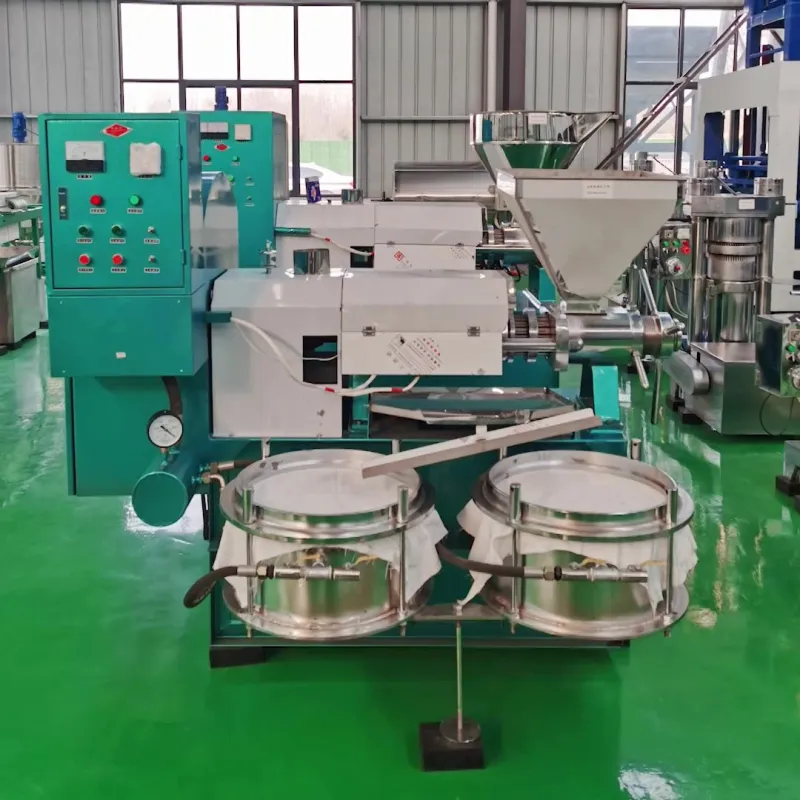
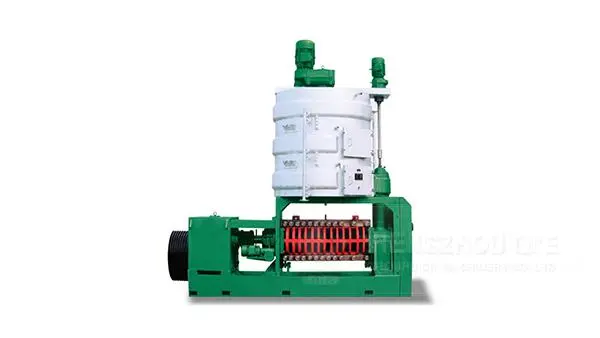
The peanut oil screw press integrated equipment operates through a streamlined process. First, it starts with the cleaning unit. Impurities such as dust and stones are removed, which is crucial for protecting the subsequent equipment and ensuring oil quality. Then, the peanuts enter the crushing stage, where they are broken into small pieces. This increases the contact area, facilitating the subsequent processing. After that, the peanuts are steamed and cooked. The heat treatment can break the cell walls of peanuts, releasing more oil. Finally, the screw press squeezes out the oil.
This entire integrated process can effectively increase the oil extraction rate. Compared with traditional methods, the oil extraction rate can be increased to 50 - 55%, which is a significant improvement for oil manufacturers.
There are two main pressing methods: hot - pressing and cold - pressing. Hot - pressing involves heating peanuts to a certain temperature before pressing. This method can increase the fluidity of oil, resulting in a higher oil extraction rate. Generally, the oil extraction rate of hot - pressing can reach up to 55%. However, the high temperature may destroy some of the nutritional components of peanuts and may also cause certain color and flavor changes in the oil, making it more suitable for markets that have less emphasis on natural flavor and more on high - yield production.
Cold - pressing, on the other hand, is carried out at a lower temperature. Although the oil extraction rate is relatively low, around 40 - 45%, it retains more nutrients and natural flavors of peanuts. Therefore, it is more favored by consumers who value the original taste and health - friendly aspects of peanut oil. A column chart can be used to visually compare the oil extraction rates and flavor characteristics of these two methods.
"The choice between hot - pressing and cold - pressing should be based on market demand and the production goals of enterprises. Both methods have their own advantages, and the correct utilization of the technology can bring greater benefits to the enterprise," said an industry expert.
The screw press integrated equipment has a significant impact on both the oil extraction rate and oil quality. Its advanced design and precise control of the pressing process can ensure that more oil is squeezed out while minimizing the introduction of impurities. The equipment is also equipped with advanced filtration systems, which can effectively remove suspended solids and other impurities in the oil, ensuring the clarity and purity of the oil.
During the operation of the equipment, some common problems may occur, such as low oil extraction rate or poor oil quality. For low oil extraction rate, enterprises can adjust the temperature and pressure parameters during the steaming and pressing process. If the oil quality is poor, they can check and clean the filtration system in time.
In the context of promoting green manufacturing, the peanut oil screw press integrated equipment also conforms to this trend. It usually adopts energy - saving motors and optimization of the production process to reduce energy consumption. By complying with relevant green manufacturing policies, enterprises can not only improve their social image but also reduce production costs in the long run.
 145
|
145
|
 Peanut oil cold pressing process
Peanut oil hot pressing process
Screw pressing technology
Peanut oil pressing equipment
Grain and oil processing technology optimization
211
|
industrial spiral oil press
high-efficiency oil extraction equipment
small to medium-sized oil processing plant
extraction rate analysis
ISO9001 certification
484
|
Peanut oil pressing technology
Hot and cold pressing comparison
Screw press
Grain and oil processing technology
Export peanut oil
109
|
small peanut oil press machine
peanut oil pressing technology
cold press vs hot press
oil extraction efficiency
equipment maintenance for oil mills
427
|
Screw pressing technology
Peanut oil press
Grain and oil processing equipment
Hot and cold pressing processes
Energy-saving pressing technology
Peanut oil cold pressing process
Peanut oil hot pressing process
Screw pressing technology
Peanut oil pressing equipment
Grain and oil processing technology optimization
211
|
industrial spiral oil press
high-efficiency oil extraction equipment
small to medium-sized oil processing plant
extraction rate analysis
ISO9001 certification
484
|
Peanut oil pressing technology
Hot and cold pressing comparison
Screw press
Grain and oil processing technology
Export peanut oil
109
|
small peanut oil press machine
peanut oil pressing technology
cold press vs hot press
oil extraction efficiency
equipment maintenance for oil mills
427
|
Screw pressing technology
Peanut oil press
Grain and oil processing equipment
Hot and cold pressing processes
Energy-saving pressing technology