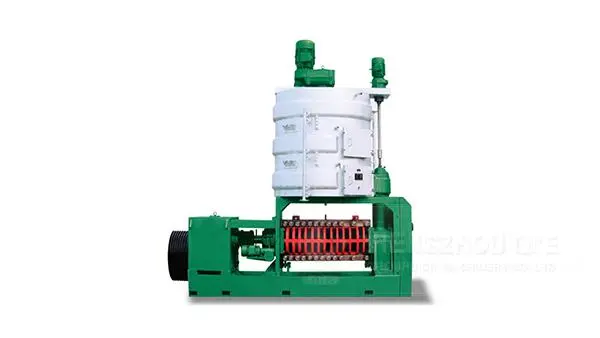
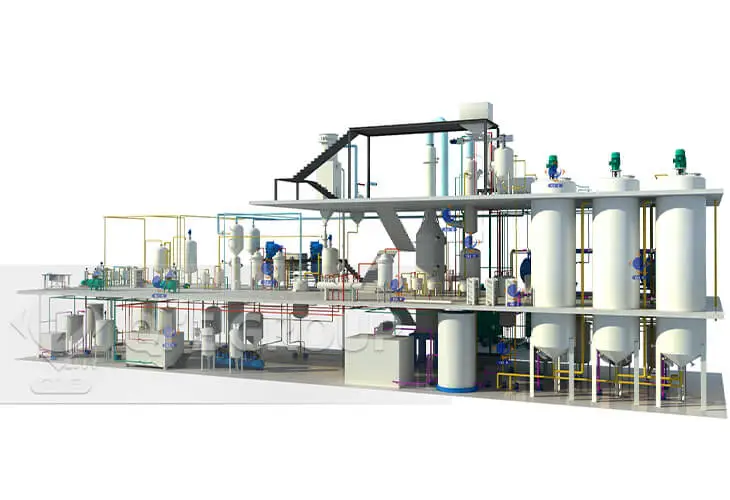
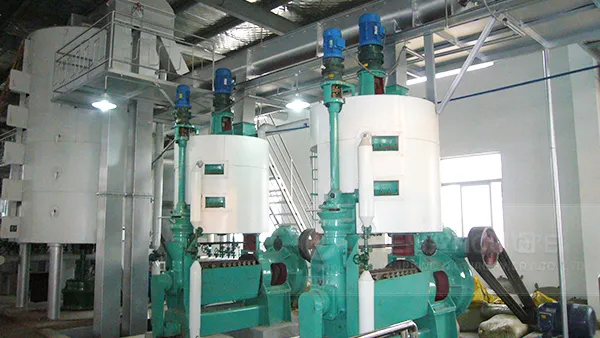
Many small-scale peanut oil producers face the same challenge: low yield, inconsistent aroma, and poor quality control — often due to outdated or poorly optimized pressing equipment. In this article, we’ll walk through how one family-run factory in Nigeria improved their oil’s purity, flavor, and output by upgrading to a modern spiral press system — with measurable results.
It’s not just about pressing — it’s about preparation. A study from the International Journal of Food Engineering shows that improper raw material cleaning alone can increase free fatty acid levels by up to 0.3 points (equivalent to an extra 0.1% waste per batch). Here's what matters most:
| Process | Hot Pressing | Cold Pressing |
|---|---|---|
| Oil Yield (%) | 78–82% | 65–70% |
| Free Fatty Acid (FFA) | ≤ 0.5% | ≤ 0.3% |
| Flavor Intensity | Rich, roasted notes | Mild, nutty, fresh |
A medium-sized peanut oil plant in Kano, Nigeria — previously using a manual screw press — switched to our high-efficiency spiral press with automated steam control. Within three months:
This wasn’t luck — it was process optimization. The key? Precise temperature control (±2°C), regular moisture checks using digital hygrometers, and daily maintenance routines like belt tensioning and bearing lubrication.
We don’t just sell machines. Our team provides remote diagnostics within 2 hours, customized training sessions (in English or local languages), and 24/7 technical support — ensuring your ROI is protected from day one.
Ready to boost your peanut oil quality and efficiency?
Download our free guide: "Peanut Oil Pressing Optimization Manual" — packed with practical tips, checklists, and real-world case studies from over 50 factories worldwide.
Get the Free Guide Now → 391
|
391
|
 small-scale peanut oil press machine
grain and oil processing equipment selection
peanut oil pressing maintenance tips
screw pressing technology
cold and hot pressing methods
61
|
Peanut oil screw pressing
Oil yield improvement
Hot pressing and cold pressing
Grain and oil processing equipment
Screw pressing technology
360
|
peanut oil expeller maintenance
small oil processing equipment
oil press machine troubleshooting
energy-efficient oil extraction
equipment lifespan extension
39
|
small peanut oil press machine
oil press machine for small factories
energy-efficient oil press
peanut oil cold pressing
compact oil processing equipment
210
|
peanut oil pressing
spiral pressing technology
cooking temperature control
cold pressing techniques
grain oil processing equipment
small-scale peanut oil press machine
grain and oil processing equipment selection
peanut oil pressing maintenance tips
screw pressing technology
cold and hot pressing methods
61
|
Peanut oil screw pressing
Oil yield improvement
Hot pressing and cold pressing
Grain and oil processing equipment
Screw pressing technology
360
|
peanut oil expeller maintenance
small oil processing equipment
oil press machine troubleshooting
energy-efficient oil extraction
equipment lifespan extension
39
|
small peanut oil press machine
oil press machine for small factories
energy-efficient oil press
peanut oil cold pressing
compact oil processing equipment
210
|
peanut oil pressing
spiral pressing technology
cooking temperature control
cold pressing techniques
grain oil processing equipment