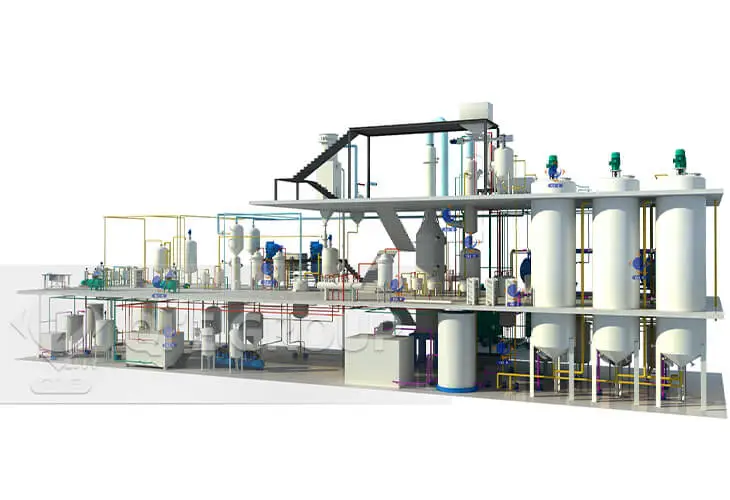
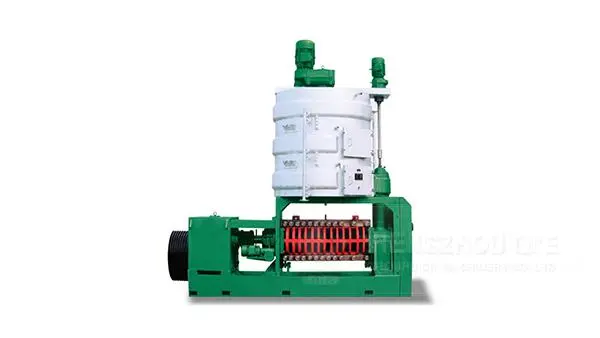
In the global edible oil market, peanut oil is more than just a cooking medium—it’s a premium product that demands precision at every stage of production. According to the FAO 2023 Food Processing Report, over 72% of international buyers in Europe and Southeast Asia prioritize purity, aroma retention, and consistent quality when sourcing peanut oil from suppliers. Yet many processors still struggle with variability in output due to suboptimal process control.
The journey begins long before the press. Proper raw material cleaning reduces foreign matter by up to 95%, as shown in a case study from a Malaysian processor using our automated screening system—leading to a 12% increase in oil yield and significantly fewer impurities in the final product.
Next comes crushing and grinding. A uniform particle size (ideally 0.8–1.2 mm) ensures optimal contact between kernels and heat during steaming—a key factor in extracting oil efficiently without damaging flavor compounds. Poorly crushed peanuts can result in up to 18% lower extraction rates, according to data from a Chinese pilot plant tested across three seasons.
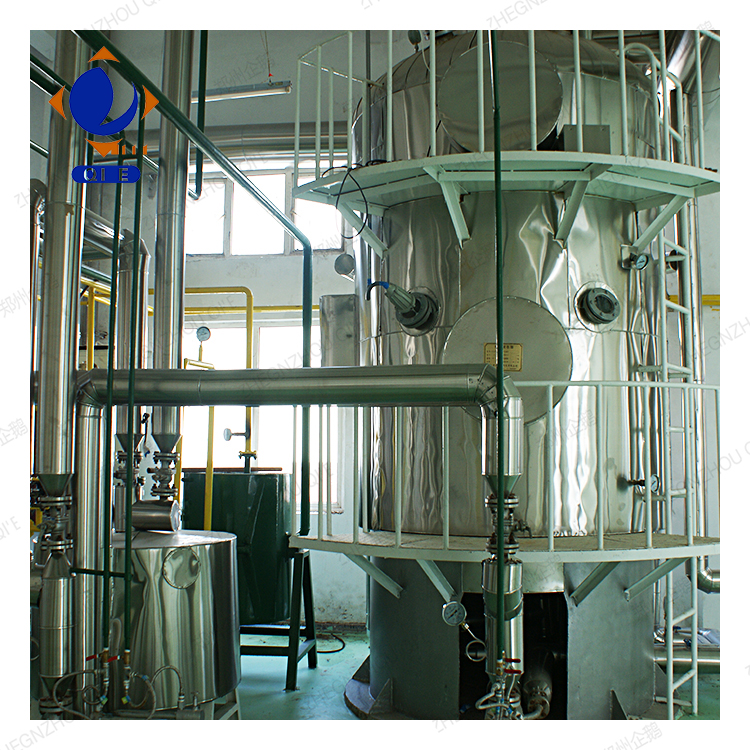
For hot-pressed oils, maintaining steam temperature between 90–95°C for 25–30 minutes preserves natural nutty notes while enhancing oil clarity. In contrast, cold-pressed methods require precise moisture control (below 6%) and temperatures under 40°C to retain vitamin E and polyphenols—critical for health-conscious markets like Germany and the U.S.
A Brazilian client saw a 22% improvement in sensory scores after adjusting their pre-steaming time based on real-time moisture testing via NIR analyzers—a technique now widely adopted in EU-certified facilities.
| Feature | Hot Press | Cold Press |
|---|---|---|
| Oil Yield (%) | 42–45% | 35–38% |
| Flavor Intensity | High (nutty) | Mild, clean taste |
| Nutrient Retention | Moderate | High (Vitamin E, Phytosterols) |
Understanding these differences helps you tailor your production strategy—not only to meet regional preferences but also to maximize profitability. For example, hot-pressed oil dominates the Middle East and South Asia, where rich flavor is preferred; cold-pressed commands premium pricing in North America and Western Europe.
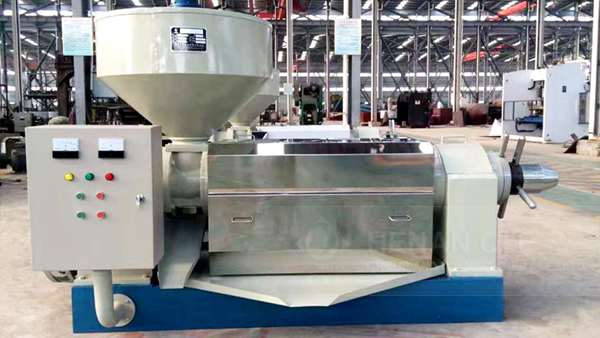
Even the best equipment fails without proper support. Our clients report an average of 98% uptime thanks to our remote diagnostics platform and on-site technician network—especially valuable for operations in regions with limited technical resources like Indonesia or Kenya.
One Thai processor reduced downtime by 40% after implementing our predictive maintenance plan—proving that ongoing service isn’t just a cost center; it’s a growth enabler.
Download our free “Peanut Oil Press Optimization Guide”—packed with actionable tips, temperature charts, and real-world examples from top producers worldwide.
Get the Free Optimization Guide 124
|
124
|
 peanut oil press machine
cold press vs hot press
peanut oil quality improvement
small scale oil pressing equipment
export grade oil press
483
|
small peanut oil press machine
oil press machine maintenance
spiral pressing technology
cold press vs hot press
peanut oil extraction efficiency
117
|
small peanut oil press
energy-efficient oil press
peanut oil extraction equipment
small-scale oil processing
cold press vs hot press
117
|
peanut oil expeller
peanut oil production process
cooking parameter optimization
hot pressing vs cold pressing
oil processing equipment
128
|
Peanut oil pressing technology
Cooking process optimization
Cold - pressing and hot - pressing comparison
Peanut oil quality improvement
Grain and oil processing equipment
peanut oil press machine
cold press vs hot press
peanut oil quality improvement
small scale oil pressing equipment
export grade oil press
483
|
small peanut oil press machine
oil press machine maintenance
spiral pressing technology
cold press vs hot press
peanut oil extraction efficiency
117
|
small peanut oil press
energy-efficient oil press
peanut oil extraction equipment
small-scale oil processing
cold press vs hot press
117
|
peanut oil expeller
peanut oil production process
cooking parameter optimization
hot pressing vs cold pressing
oil processing equipment
128
|
Peanut oil pressing technology
Cooking process optimization
Cold - pressing and hot - pressing comparison
Peanut oil quality improvement
Grain and oil processing equipment