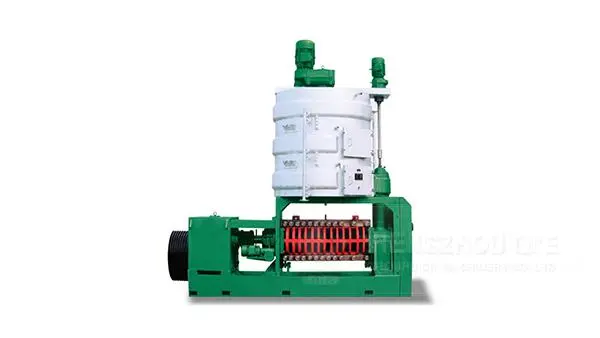
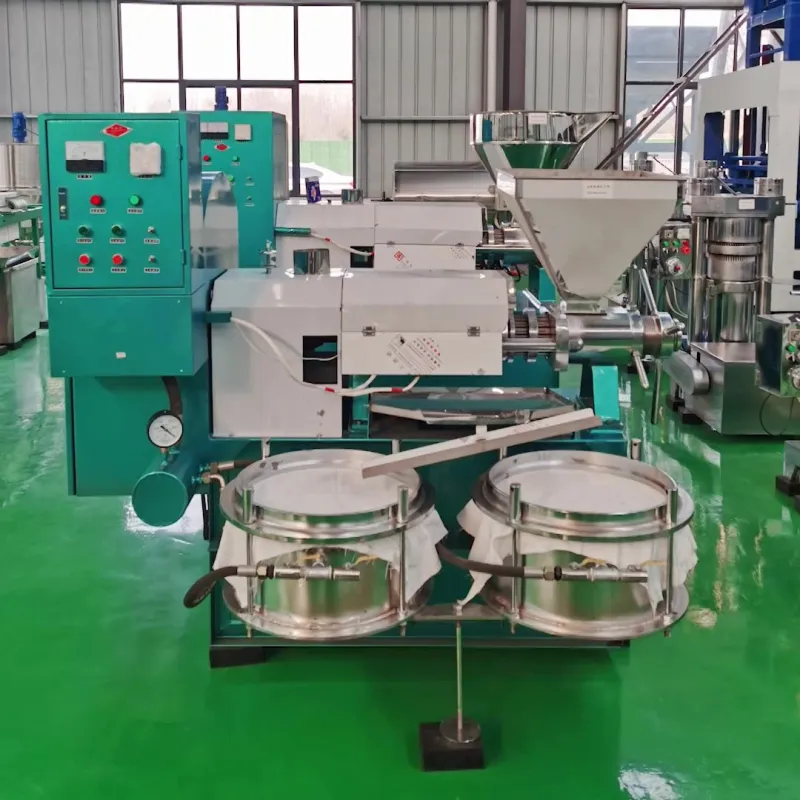
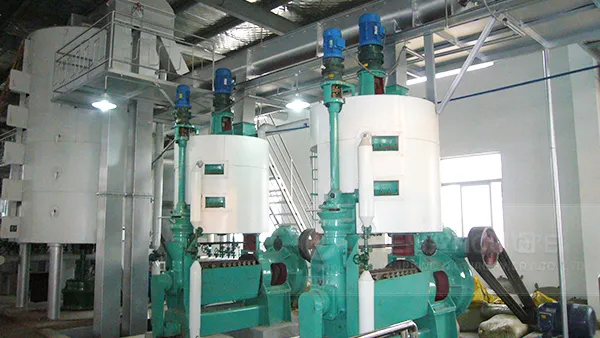
For many small-scale peanut oil producers, the challenge isn’t just about producing more — it’s about producing better. If your oil lacks aroma or shows high acid value (AV), the root cause often lies in overlooked technical steps during pressing and processing.
Let’s break down what really impacts peanut oil quality:
One Southeast Asian client reported a drop from AV 3.2 to 1.4 after adjusting their steaming time and switching to a spiral press with precise torque control — all within two weeks of implementation. The result? A stronger nutty aroma and improved shelf life, which helped them win repeat orders from EU food importers.
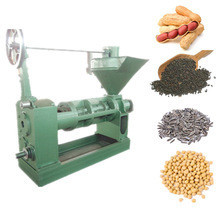
The difference between average and premium peanut oil often comes down to equipment precision. Traditional hydraulic presses may deliver inconsistent pressure, leading to uneven extraction and residual solids. In contrast, modern screw presses like those from Qiqi Group offer:
Our field data from three Indonesian processors shows an average 12% improvement in oil recovery when using optimized screw press parameters vs. older models — without sacrificing sensory attributes.
Want to know exactly how to measure moisture content on-site? Use a digital moisture tester — target 6–8%. Or simply conduct a simple test: roast a handful of crushed peanuts at 120°C for 10 mins. If they crackle loudly, moisture is too high.
Ready to optimize your peanut oil process?
Download our free “Peanut Oil Pressing Optimization Checklist” — includes step-by-step guidelines, ideal temp ranges, and common pitfalls to avoid.
Click here to get the checklist →Whether you're refining for local markets or exporting to Europe or the Middle East, mastering these techniques ensures consistency, compliance, and customer satisfaction — every batch.
 131
|
131
|
 spiral pressing technology
peanut oil yield optimization
cold press vs hot press
small scale oil extraction
peanut oil quality improvement
146
|
Peanut oil cold pressing process
Peanut oil hot pressing process
Screw pressing technology
Peanut oil pressing equipment
Grain and oil processing technology optimization
218
|
peanut oil press
screw pressing technology
green energy - efficiency
hot - pressing and cold - pressing processes
grain and oil processing equipment
131
|
industrial spiral oil press
oil press selection guide
pressing ratio efficiency
ISO9001 certification oil equipment
after-sales technical support
293
|
peanut oil press
small grain and oil processing equipment
equipment purchase guide
equipment maintenance skills
energy - saving and environmental - friendly press
spiral pressing technology
peanut oil yield optimization
cold press vs hot press
small scale oil extraction
peanut oil quality improvement
146
|
Peanut oil cold pressing process
Peanut oil hot pressing process
Screw pressing technology
Peanut oil pressing equipment
Grain and oil processing technology optimization
218
|
peanut oil press
screw pressing technology
green energy - efficiency
hot - pressing and cold - pressing processes
grain and oil processing equipment
131
|
industrial spiral oil press
oil press selection guide
pressing ratio efficiency
ISO9001 certification oil equipment
after-sales technical support
293
|
peanut oil press
small grain and oil processing equipment
equipment purchase guide
equipment maintenance skills
energy - saving and environmental - friendly press