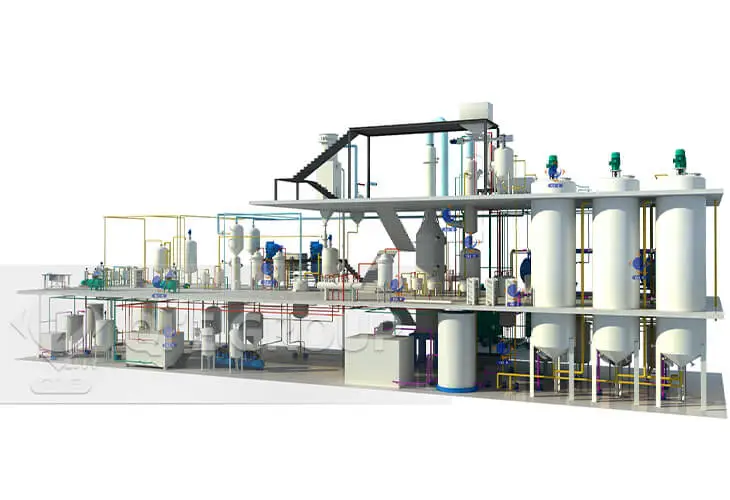
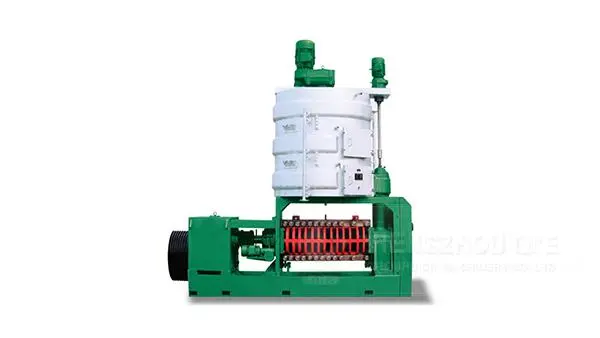
Are you struggling with peanut oil that lacks aroma and has a high acid value? This article delves deep into the key technologies in the entire process from raw material cleaning to cooking process optimization. It reveals how to enhance the oil yield and purity by scientifically controlling temperature, moisture, and pressing parameters. By presenting real - world customer cases and comparing the differences between hot - pressing and cold - pressing processes, we aim to help you precisely meet market demands and build a high - quality peanut oil product line.
The quality of peanut oil starts with the raw materials. Proper cleaning of peanuts is crucial. Impurities such as dust, stones, and broken peanuts can affect the final oil quality. On average, raw peanuts may contain about 3 - 5% impurities. Through effective cleaning processes, this impurity rate can be reduced to less than 1%. Industry average: Peanut cleaning can improve oil quality by reducing impurity - related acid value increase by up to 10%.
The granularity of crushed peanuts significantly impacts the pressing process. If the particles are too large, the oil extraction efficiency will be low. On the other hand, overly fine particles may lead to more impurities in the oil. A suitable crushing granularity is around 2 - 3mm. In experiments, adjusting the granularity to this range can increase the oil yield by about 3 - 5% compared to non - optimized granularity. Experiment data: Adjusting granularity can improve oil yield by 3 - 5%.
Cooking is a critical step in peanut oil production. Different temperatures have different effects on the flavor and nutritional value of the oil. For hot - pressing, the cooking temperature is usually around 120 - 130°C, which can enhance the aroma of the oil but may also cause some loss of nutrients. Cold - pressing, with a cooking temperature below 60°C, can better preserve the nutritional components such as vitamin E and unsaturated fatty acids. Comparison: Hot - pressed oil has 15 - 20% less vitamin E than cold - pressed oil.
Pressing efficiency is directly related to the final oil yield. By adjusting the pressing pressure and speed, we can achieve better results. For example, increasing the pressing pressure from 20MPa to 30MPa can increase the oil yield by about 2 - 3%. At the same time, a proper pressing speed can prevent the oil from being contaminated by excessive friction heat. Experiment result: Increasing pressure from 20MPa to 30MPa can boost oil yield by 2 - 3%.
In terms of flavor, hot - pressed peanut oil has a stronger and richer aroma, which is more popular in markets where consumers prefer intense flavors. Cold - pressed oil, however, has a lighter and more natural flavor, appealing to health - conscious consumers. In terms of market positioning, hot - pressed oil is often used in households for daily cooking, while cold - pressed oil is more suitable for high - end markets such as health food stores and gourmet restaurants. Market share: Hot - pressed oil accounts for about 70% of the general household market, while cold - pressed oil takes up about 30% of the high - end market.
QIE Group equipment offers several advantages. It has high stability, with a failure rate of less than 1% during continuous operation for 100 hours. In terms of energy - saving, it can reduce energy consumption by about 15 - 20% compared to traditional equipment. Moreover, it is easy to maintain, which can save a lot of time and cost for production enterprises. Equipment advantage: 15 - 20% energy - saving compared to traditional equipment.
In conclusion, improving peanut oil quality involves a series of key technologies. By understanding and applying these technologies, and with the support of advanced equipment like QIE Group, enterprises can produce high - quality peanut oil that meets different market demands. If you want to learn more about peanut oil pressing process optimization, click here to get the "Peanut Oil Pressing Process Optimization Manual" or book a consultation with our experts.
 219
|
219
|
 Small peanut oil press purchase guide
Input - output ratio of grain and oil processing equipment
Comparison of hot and cold pressing processes
Maintenance points of peanut oil pressing equipment
Equipment selection for small grain and oil processing plants
477
|
small peanut oil press machine
oil press maintenance tips
peanut oil extraction equipment
industrial oil press maintenance
energy-efficient oil press
211
|
industrial spiral oil press
high-efficiency oil extraction equipment
small to medium-sized oil processing plant
extraction rate analysis
ISO9001 certification
109
|
small peanut oil press machine
peanut oil pressing technology
cold press vs hot press
oil extraction efficiency
equipment maintenance for oil mills
293
|
peanut oil press
small grain and oil processing equipment
equipment purchase guide
equipment maintenance skills
energy - saving and environmental - friendly press
Small peanut oil press purchase guide
Input - output ratio of grain and oil processing equipment
Comparison of hot and cold pressing processes
Maintenance points of peanut oil pressing equipment
Equipment selection for small grain and oil processing plants
477
|
small peanut oil press machine
oil press maintenance tips
peanut oil extraction equipment
industrial oil press maintenance
energy-efficient oil press
211
|
industrial spiral oil press
high-efficiency oil extraction equipment
small to medium-sized oil processing plant
extraction rate analysis
ISO9001 certification
109
|
small peanut oil press machine
peanut oil pressing technology
cold press vs hot press
oil extraction efficiency
equipment maintenance for oil mills
293
|
peanut oil press
small grain and oil processing equipment
equipment purchase guide
equipment maintenance skills
energy - saving and environmental - friendly press