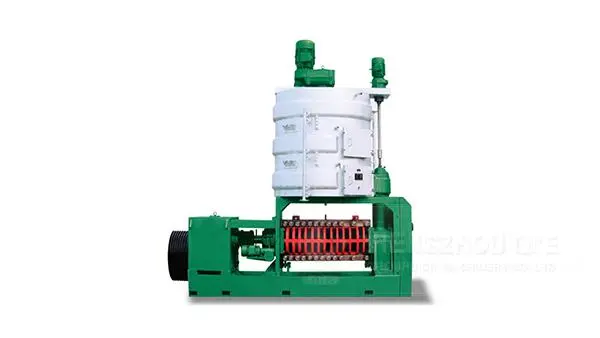
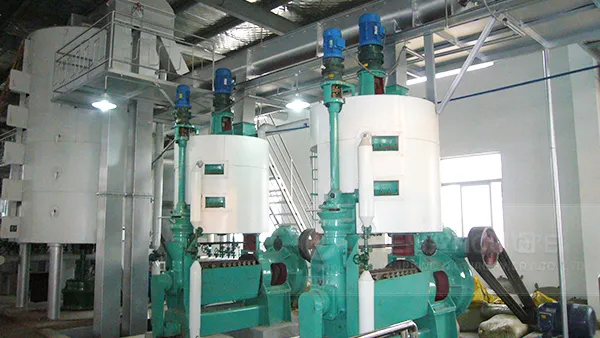
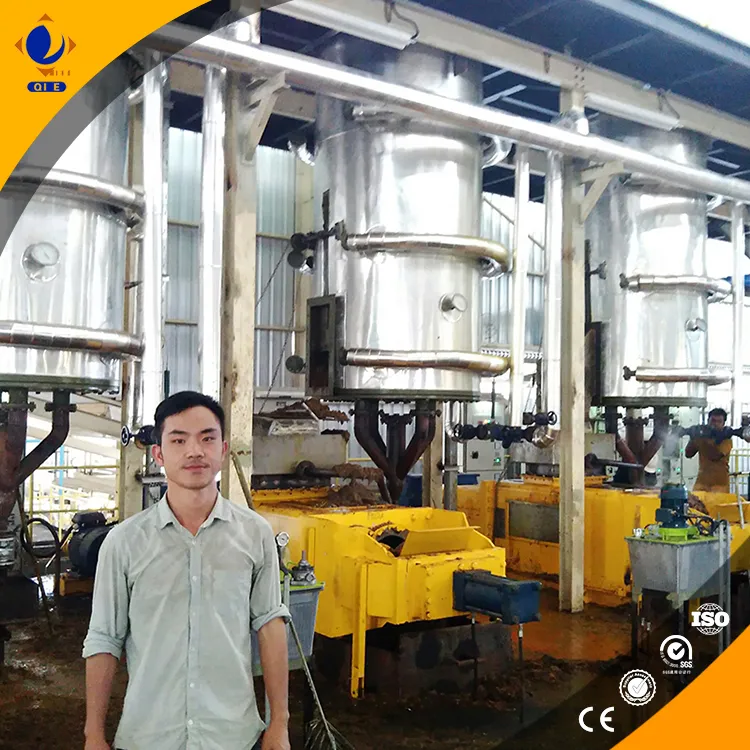
In the competitive landscape of edible oil production, optimizing processing parameters is critical for maximizing both yield and product quality. Among various techniques, controlling the steam cooking temperature during peanut oil extraction has emerged as a pivotal factor influencing oil purity, flavor, and nutritional retention. This article delves into the roles of steam temperature regulation within spiral screw pressing technologies, contrasting hot and cold pressing methods, and shares practical insights from small-scale industrial applications, particularly spotlighting equipment utilized by QIE Group’s compact peanut oil plants.
Traditional peanut oil extraction often struggles with inconsistent oil yield and quality, largely due to decentralized or poorly controlled processing steps. Spiral screw pressing offers a streamlined workflow encompassing cleaning, crushing, steaming, and pressing, all integrated within a single continuous operation. This technological consolidation not only elevates throughput efficiency but also enhances product consistency by minimizing manual intervention.
For instance, the combined cleaning and crush stages ensure uniform kernel preparation, while controlled steaming softens the peanut material to optimize oil release without degrading sensitive nutrients. Subsequently, the spiral press applies continuous mechanical force to extract oil, achieving typical extraction efficiencies ranging from 45% to 55%, depending on process specifics and feedstock quality.
The temperature during the steam cooking phase critically regulates the balance between oil yield and quality attributes such as flavor and nutrient retention. Excessively high steam temperatures (above 120°C) accelerate kernel cell wall breakdown, enhancing extraction but simultaneously initiating thermal degradation of delicate unsaturated fatty acids and bioactive compounds like phytosterols and tocopherols.
Conversely, temperatures below 90°C better preserve flavor profiles and antioxidant concentrations but may result in lower oil yield due to insufficient softening. Optimal steam cooking temperatures typically reside between 90°C–110°C for hot pressing, where balanced oil quantity and quality are achievable. Cold pressing, by contrast, operates without steam or at minimal temperatures (below 70°C), prioritizing oil purity and nutritional retention at the expense of lower extraction rates.
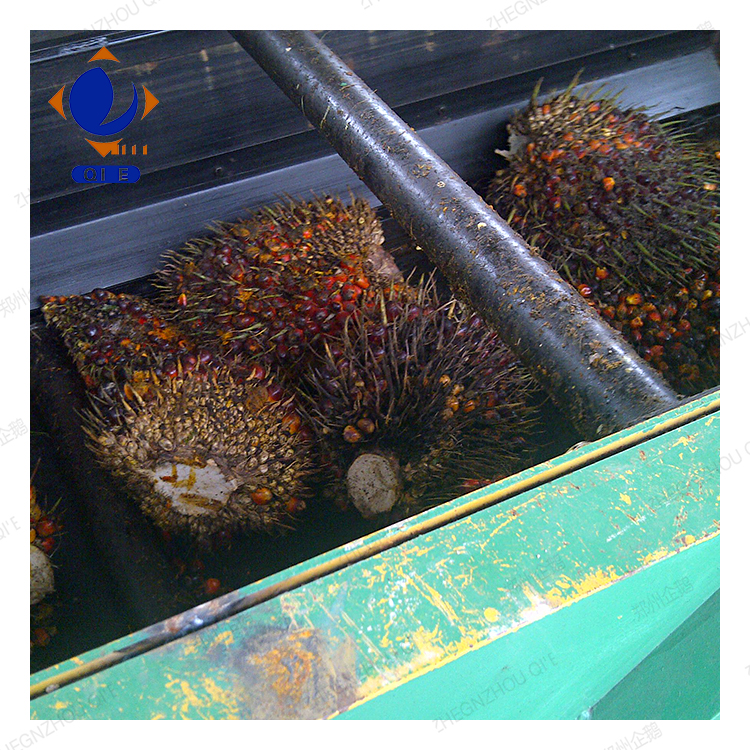
Hot pressing uses steam cooking temperatures generally between 90°C and 120°C, facilitating higher oil release and efficiency but slightly sacrificing certain heat-sensitive compounds. This method suits large-scale operations prioritizing volume. Cold pressing maintains material temperature below 70°C—often without steaming—yielding oil with superior flavor integrity, light color, and higher antioxidant activity, albeit with extraction efficiencies typically 5–10% lower than hot pressing.
Given these distinctions, grain and oil processors often select pressing technology aligned with market positioning—premium quality brands benefit from cold pressing, while mass-market production favors hot pressing for cost-effectiveness.
While cold pressing offers quality advantages, it introduces challenges such as managing feedstock moisture content and maintaining equipment parameters to prevent losses. Effective moisture control is critical, ideally keeping peanut kernel humidity within 6% to 8%, minimizing hydraulic friction and surface contamination.
Additionally, fine-tuning screw speed and pressing chamber temperature enables consistent throughput and protects against machine wear. Regular monitoring for early signs of mechanical abrasion extends equipment lifespan and reduces downtime. Incorporating these practical measures has enabled operators of compact factories, such as the QIE Group facilities, to sustain cold pressing outputs with oil purity exceeding 98% and extraction yields above 40%.
Pro Tip: Maintaining a stable feedstock temperature and moisture level before pressing prevents suboptimal oil flow and reduces foam formation during extraction, contributing to higher oil clarity and reduced post-processing filtration.
Adapting to global green energy initiatives, manufacturers increasingly prioritize spiral press designs that minimize steam and electrical consumption without compromising processing quality. Pengiun Group’s equipment exemplifies this evolution through enhanced insulation, heat recovery systems, and precision temperature sensors that optimize energy use during steaming cycles.
These advancements not only satisfy regulatory expectations but also reduce operational costs by up to 15% annually, supporting sustainable production practices. The ongoing evolution of low-temperature processing combined with smart control systems positions peanut oil producers to meet evolving consumer and environmental demands effectively.

Request your comprehensive Peanut Oil Processing Optimization Guide today and elevate your production efficacy.
 54
|
54
|
 peanut oil quality improvement
peanut oil pressing process
hot pressing vs cold pressing
oil extraction efficiency
peanut oil production optimization
483
|
small peanut oil press machine
oil press machine maintenance
spiral pressing technology
cold press vs hot press
peanut oil extraction efficiency
347
|
cold pressed peanut oil
hot pressed peanut oil
peanut oil processing methods
premium peanut oil export
functional oil production
485
|
Peanut oil pressing technology
Hot and cold pressing comparison
Screw press
Grain and oil processing technology
Export peanut oil
412
|
peanut oil processing technology
cold pressing vs hot pressing
peanut oil quality improvement
oil extraction equipment
pressing process optimization
peanut oil quality improvement
peanut oil pressing process
hot pressing vs cold pressing
oil extraction efficiency
peanut oil production optimization
483
|
small peanut oil press machine
oil press machine maintenance
spiral pressing technology
cold press vs hot press
peanut oil extraction efficiency
347
|
cold pressed peanut oil
hot pressed peanut oil
peanut oil processing methods
premium peanut oil export
functional oil production
485
|
Peanut oil pressing technology
Hot and cold pressing comparison
Screw press
Grain and oil processing technology
Export peanut oil
412
|
peanut oil processing technology
cold pressing vs hot pressing
peanut oil quality improvement
oil extraction equipment
pressing process optimization