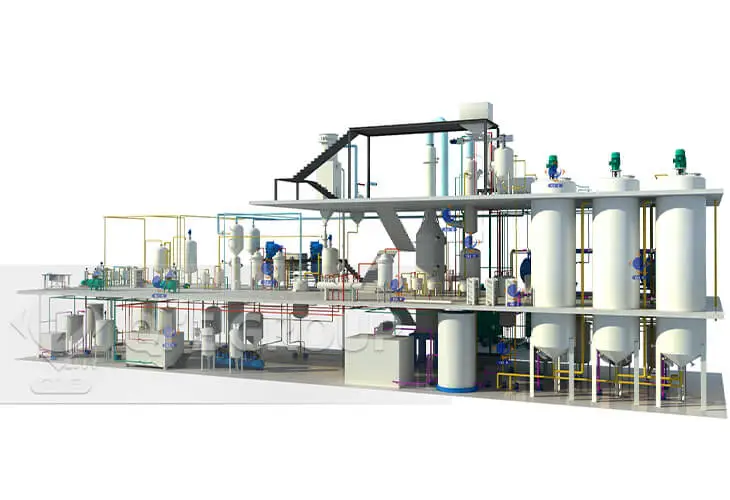
For peanut oil producers targeting international markets, achieving consistent quality and efficiency isn't just about equipment—it's about mastering each stage of the process. Whether you're running a small-scale facility or scaling up for export, optimizing your production workflow can directly impact purity, flavor profile, and profitability.
Start with raw material cleaning—this step alone can reduce impurities by up to 70%, according to data from the International Journal of Food Engineering. Use magnetic separators and air classifiers to remove stones, metal fragments, and dust before crushing. A single missed particle can lead to off-flavors in the final product, especially critical when exporting to EU or US markets where sensory standards are strict.
Next, control moisture content during pre-treatment. Ideal moisture levels range between 5–8% for optimal extraction yield. Too dry? You lose oil. Too wet? Your press becomes inefficient. Use portable moisture meters (like those from Sartorius) for real-time checks—this small investment saves thousands in wasted batches annually.
Heat treatment significantly affects both yield and nutritional value:
A case study from a Malaysian exporter shows that switching from hot to cold pressing increased their average FFA (free fatty acid) level from 0.8% to 0.3%, allowing them to command a 22% price premium in European specialty stores.
Many factories overlook steam pressure control during cooking. Setting it at 0.3–0.5 MPa ensures even heat penetration without scorching the peanuts—a common issue in low-end presses. This small adjustment cuts waste by ~8% and improves oil clarity, which matters greatly in retail packaging.
Pro tip: Monitor temperature gradients using infrared thermometers. If the surface temp exceeds 120°C while core remains below 90°C, your batch is unevenly cooked—and likely to fail lab tests.

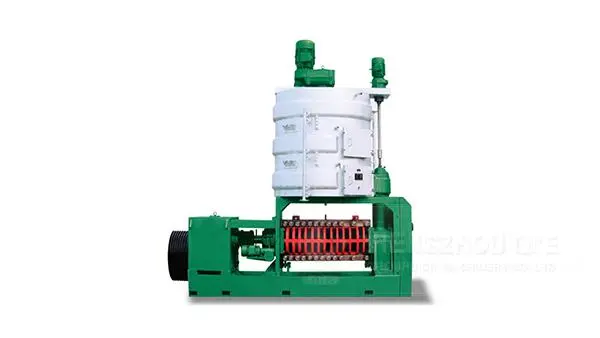
Modern compact peanut oil presses now integrate PID controllers and automated screw feeders, reducing labor costs by up to 30%. One Indian producer reported a 40% increase in daily output after upgrading to a model with smart temperature feedback—no extra staff needed.
And don’t underestimate post-sale support. With remote diagnostics and 24-hour technical response times, downtime drops from 2 days per month to under 4 hours—critical for meeting tight export schedules.
Download our free “Peanut Oil Press Optimization Checklist”—used by over 200 exporters worldwide—to instantly improve consistency, reduce waste, and meet global buyer expectations.
Get the Free Optimization Guide Now 192
|
192
|
 peanut oil pressing equipment
hot pressing vs cold pressing
peanut oil quality improvement
grain and oil processing technology
small-scale oil press machines
360
|
peanut oil expeller maintenance
small oil processing equipment
oil press machine troubleshooting
energy-efficient oil extraction
equipment lifespan extension
483
|
small peanut oil press machine
oil press machine maintenance
spiral pressing technology
cold press vs hot press
peanut oil extraction efficiency
235
|
peanut oil press machine
hot pressed peanut oil
cold pressed peanut oil
peanut oil quality improvement
export oil processing
109
|
small peanut oil press machine
peanut oil pressing technology
cold press vs hot press
oil extraction efficiency
equipment maintenance for oil mills
peanut oil pressing equipment
hot pressing vs cold pressing
peanut oil quality improvement
grain and oil processing technology
small-scale oil press machines
360
|
peanut oil expeller maintenance
small oil processing equipment
oil press machine troubleshooting
energy-efficient oil extraction
equipment lifespan extension
483
|
small peanut oil press machine
oil press machine maintenance
spiral pressing technology
cold press vs hot press
peanut oil extraction efficiency
235
|
peanut oil press machine
hot pressed peanut oil
cold pressed peanut oil
peanut oil quality improvement
export oil processing
109
|
small peanut oil press machine
peanut oil pressing technology
cold press vs hot press
oil extraction efficiency
equipment maintenance for oil mills