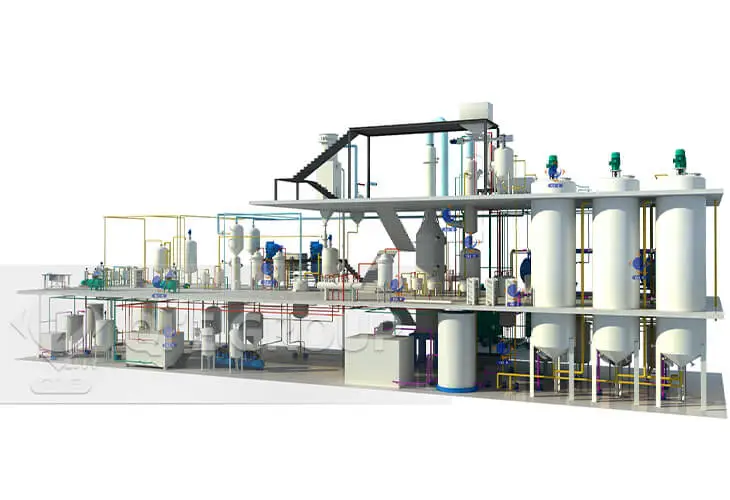
Many small and mid-sized peanut oil producers face the same challenge: their product lacks aroma, has high acidity, or fails international quality benchmarks. The root cause? Often, it’s not the raw material—it’s how the process is managed.
Before pressing begins, proper cleaning removes impurities like sand, stones, and damaged kernels. According to industry data from the International Oilseed Processing Association (IOPA), a 5% increase in clean grain input can reduce free fatty acid levels by up to 0.3%, directly impacting shelf life and export compliance.
Tip: Use moisture sensors (target: 6–8%) and temperature-controlled drying systems. Over-drying leads to brittle kernels—reducing yield. Under-drying causes microbial growth during storage.
The key difference between cold-pressed and hot-pressed peanut oil lies here. Heat treatment at 70–90°C for 15–20 minutes activates enzymes that develop the rich, nutty aroma buyers expect—especially in markets like Japan, South Korea, and the EU.
Quick Comparison Table:
| Parameter | Cold Press | Hot Press |
|---|---|---|
| Flavor Profile | Mild, neutral | Rich, aromatic |
| Acid Value (mg KOH/g) | ≤ 1.0 | 1.5–2.5 |
| Oil Yield (%) | 35–40% | 42–48% |
For export-focused brands, hot pressing offers better value per liter—and more consistent results across batches.
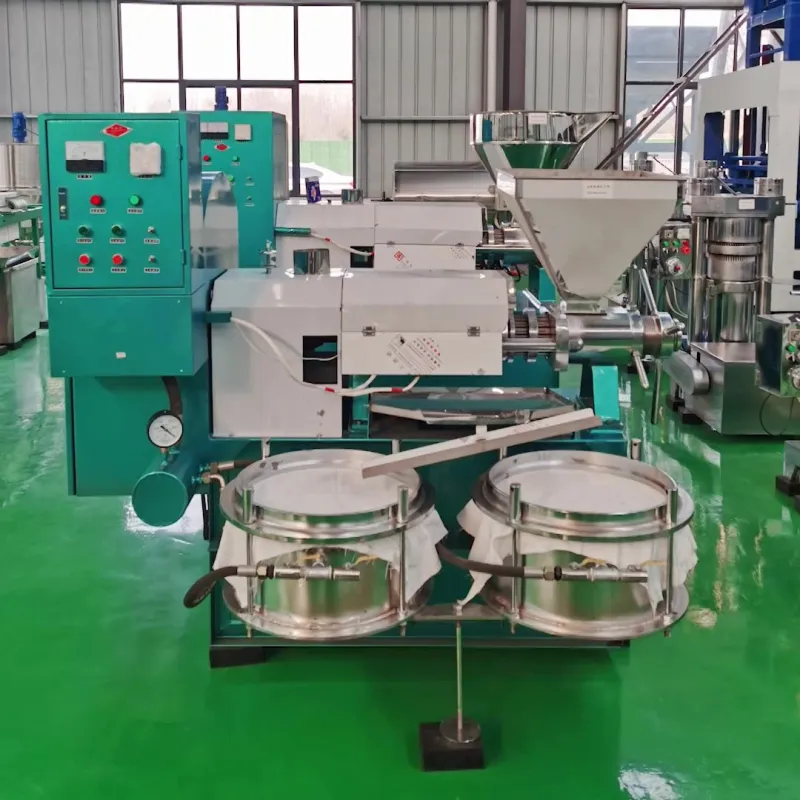
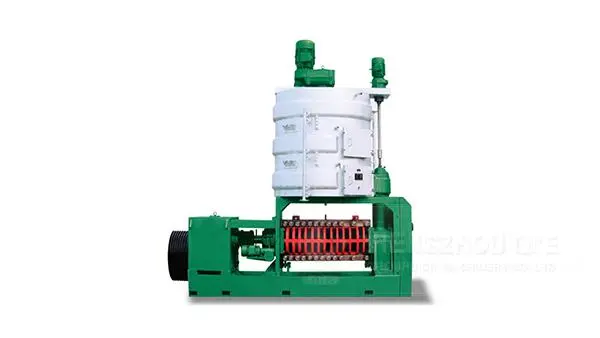
Not all presses are created equal. A well-tuned screw press (like those used in Qingping Group's compact peanut oil lines) ensures uniform pressure distribution and minimal mechanical damage to oil-bearing cells. This boosts extraction efficiency while preserving natural antioxidants like tocopherols.
In one case study, a Vietnamese processor saw a 12% rise in yield after switching from manual hydraulic presses to automated spiral presses—with no drop in clarity or stability.
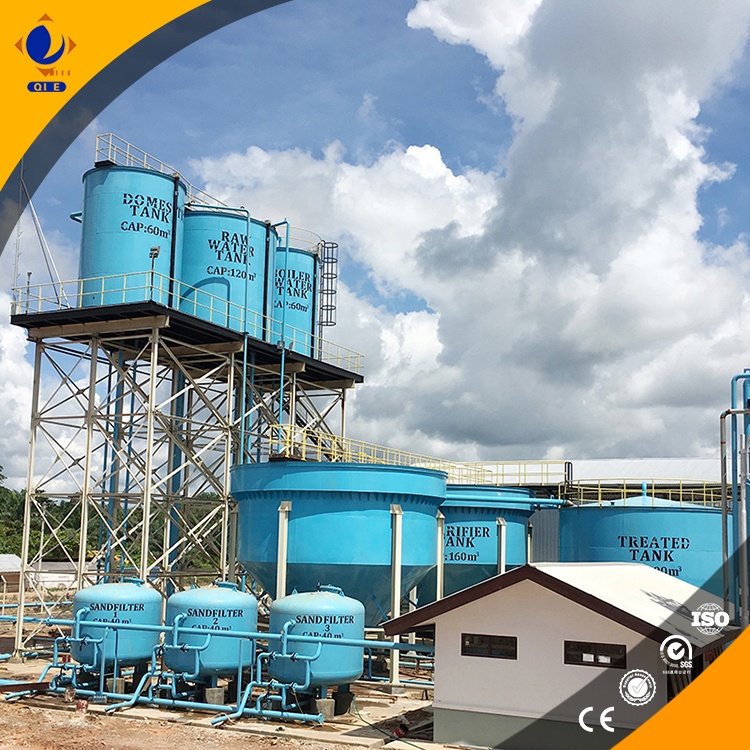
Remember: even the best recipe fails without reliable tools. That’s why ongoing technical support—from calibration tips to troubleshooting—is part of the ROI equation.
If you’re serious about upgrading your peanut oil output—whether for domestic sales or global expansion—you need actionable insights, not just theory.
Download this practical checklist—used by 300+ factories worldwide—to boost yield, reduce waste, and meet global standards.
👉 Download Now 210
|
210
|
 Small peanut oil press operation tutorial
Peanut oil press maintenance skills
Grain and oil processing equipment usage guide
Screw press installation steps
Cold and hot pressing process application
218
|
peanut oil press
screw pressing technology
green energy - efficiency
hot - pressing and cold - pressing processes
grain and oil processing equipment
130
|
industrial spiral oil press
oil press selection guide
pressing ratio efficiency
ISO9001 certification oil equipment
after-sales technical support
273
|
Screw pressing technology
Peanut oil pressing process
Difference between hot and cold pressing
Small peanut oil press
Grain and oil processing equipment
134
|
Peanut oil screw press
Screw pressing equipment maintenance
Peanut oil extraction rate optimization
Comparison of hot - pressing and cold - pressing processes
Parameter adjustment of grain and oil processing equipment
Small peanut oil press operation tutorial
Peanut oil press maintenance skills
Grain and oil processing equipment usage guide
Screw press installation steps
Cold and hot pressing process application
218
|
peanut oil press
screw pressing technology
green energy - efficiency
hot - pressing and cold - pressing processes
grain and oil processing equipment
130
|
industrial spiral oil press
oil press selection guide
pressing ratio efficiency
ISO9001 certification oil equipment
after-sales technical support
273
|
Screw pressing technology
Peanut oil pressing process
Difference between hot and cold pressing
Small peanut oil press
Grain and oil processing equipment
134
|
Peanut oil screw press
Screw pressing equipment maintenance
Peanut oil extraction rate optimization
Comparison of hot - pressing and cold - pressing processes
Parameter adjustment of grain and oil processing equipment