In the competitive global edible oil market, peanut oil producers must go beyond basic production—they need to master process optimization to elevate quality, consistency, and value. Whether targeting premium European markets or high-volume Asian importers, refining your steam cooking and pressing techniques can directly impact yield, aroma, and shelf life.
Raw material preparation is often overlooked but critical. A study by the International Journal of Food Engineering found that removing impurities before crushing improves final oil clarity by up to 35%. This means less filtration cost downstream and higher consumer trust in product purity—especially important when exporting to EU-regulated markets.
The steaming phase is where flavor and nutrition converge. At optimal temperatures (85–95°C), peanuts release more natural oils while preserving tocopherols—the antioxidant compound responsible for both health benefits and longer shelf stability. In contrast, over-steaming (>100°C) can degrade these compounds by as much as 20%, reducing perceived value among health-conscious buyers in North America and Australia.
Hot-pressed peanut oil delivers higher yields—typically 78–82% from raw kernels—with a robust, nutty aroma preferred in Middle Eastern and Southeast Asian cuisines. Cold-pressed versions, though yielding slightly less (68–72%), retain more polyunsaturated fats and are ideal for gourmet foodservice clients in Germany, France, and Canada.
A case in point: a Chinese exporter increased their average order value by 19% after introducing cold-pressed options tailored for organic-certified retailers in Europe. The key? Clear labeling of processing method, nutritional content, and third-party lab results—proven trust builders for B2B buyers.

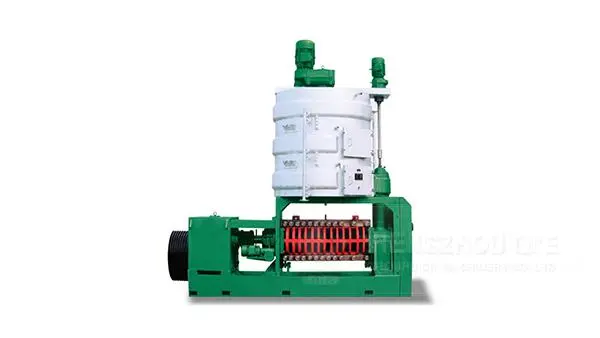
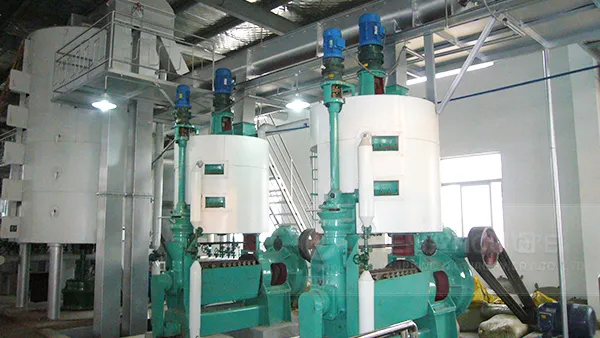
Modern screw presses offer precision control over pressure and temperature—critical for maintaining consistent quality across batches. Unlike older hydraulic systems, they reduce mechanical wear, lower maintenance costs by ~30%, and allow operators to fine-tune parameters based on seasonal variations in peanut moisture content.
Even the best process fails without reliable technical support. One Indonesian buyer reported a 4-week production halt due to unexplained pressure fluctuations—a problem resolved only after our engineers conducted remote diagnostics and provided real-time adjustments via a dedicated app.
That’s why we embed post-sale service into every project: training manuals, digital SOPs, and 24/7 access to our engineering team ensure continuous improvement—not just one-off gains.
Download our free “Peanut Oil Press Optimization Guide”—a step-by-step playbook used by leading exporters worldwide.
Get the Free Guide Now 309
|
309
|
 industrial spiral oil press transportation
6YL-185 spiral hydraulic oil press installation
cross-border oil press deployment
spiral oil press on-site commissioning
oil press installation best practices
483
|
small peanut oil press machine
oil press machine maintenance
spiral pressing technology
cold press vs hot press
peanut oil extraction efficiency
39
|
small peanut oil press machine
oil press machine for small factories
energy-efficient oil press
peanut oil cold pressing
compact oil processing equipment
211
|
industrial spiral oil press
high-efficiency oil extraction equipment
small to medium-sized oil processing plant
extraction rate analysis
ISO9001 certification
109
|
small peanut oil press machine
peanut oil pressing technology
cold press vs hot press
oil extraction efficiency
equipment maintenance for oil mills
industrial spiral oil press transportation
6YL-185 spiral hydraulic oil press installation
cross-border oil press deployment
spiral oil press on-site commissioning
oil press installation best practices
483
|
small peanut oil press machine
oil press machine maintenance
spiral pressing technology
cold press vs hot press
peanut oil extraction efficiency
39
|
small peanut oil press machine
oil press machine for small factories
energy-efficient oil press
peanut oil cold pressing
compact oil processing equipment
211
|
industrial spiral oil press
high-efficiency oil extraction equipment
small to medium-sized oil processing plant
extraction rate analysis
ISO9001 certification
109
|
small peanut oil press machine
peanut oil pressing technology
cold press vs hot press
oil extraction efficiency
equipment maintenance for oil mills