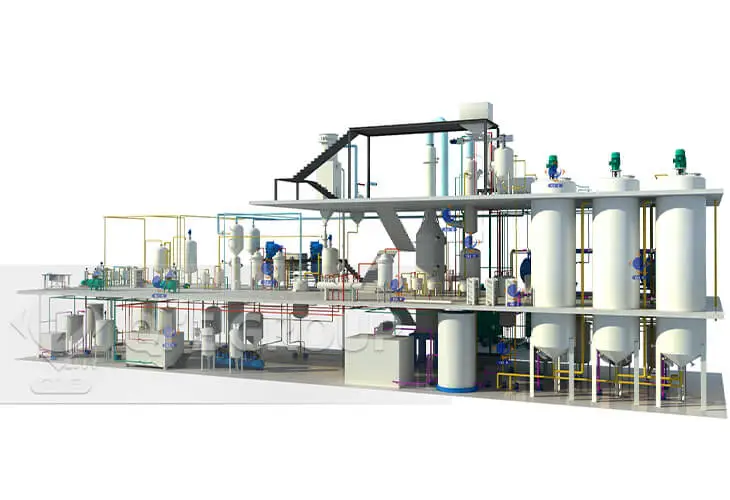
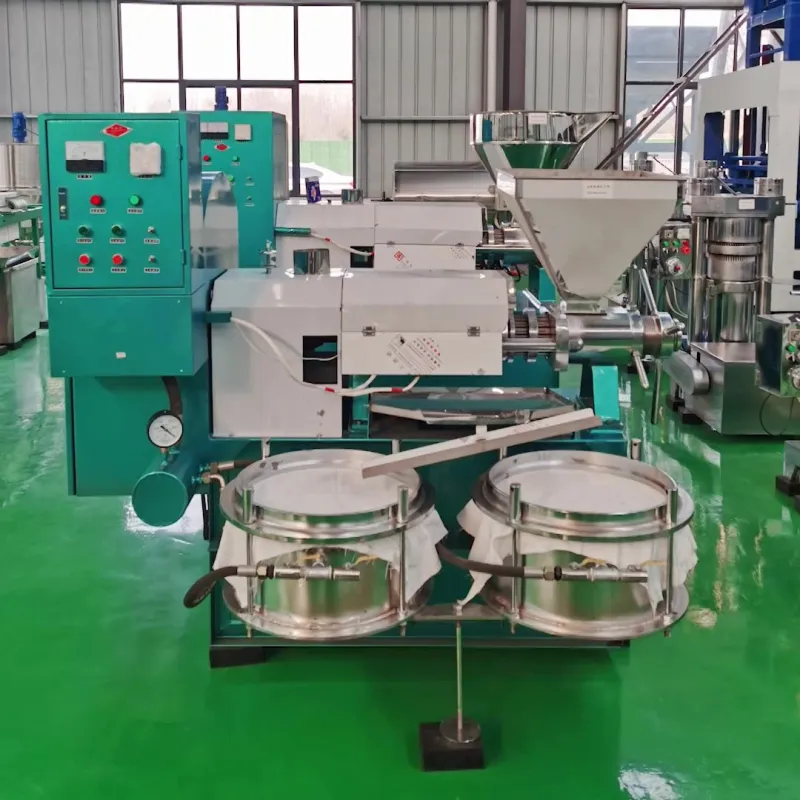
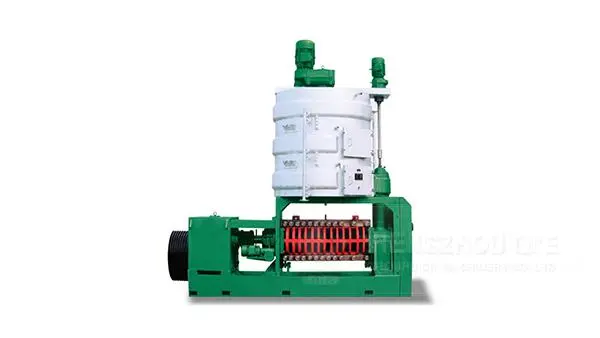
As a technical advisor for over 15 years in the global edible oil sector, I’ve seen countless factories struggle with inconsistent peanut oil quality—especially when entering competitive markets like Southeast Asia, the Middle East, or Europe. One client, a small-scale processor in Vietnam using our peanut oil expeller machine, was losing bids because their oil had off-flavors and higher free fatty acid (FFA) levels than competitors.
The solution? Not new equipment—it was smarter process control.
We started by analyzing each stage:
This wasn’t just theory. In this case, adjusting steam temperature from 105°C to 95°C reduced FFA from 2.3% to 1.1%—a dramatic improvement that allowed them to meet EU standards for premium peanut oil.
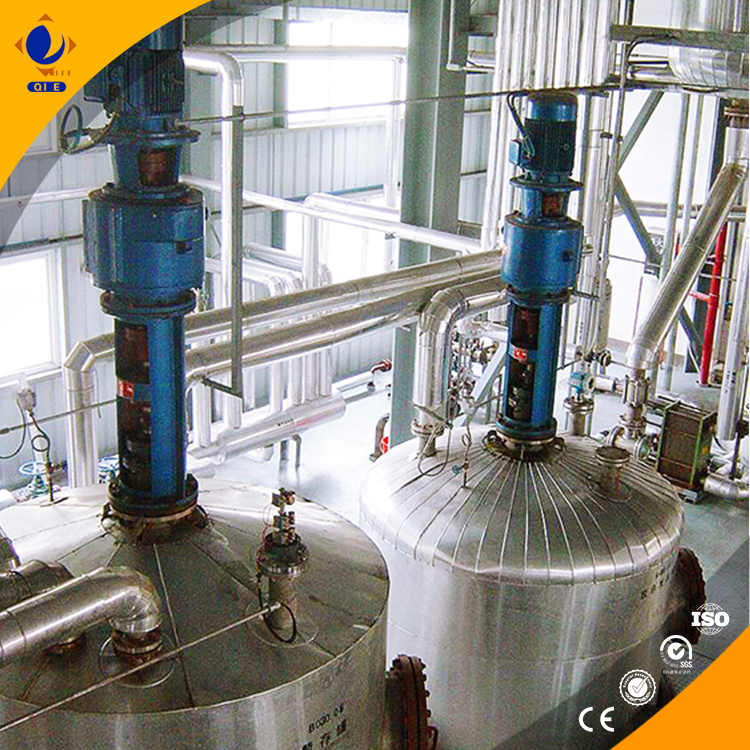
Let’s break it down honestly:
| Feature | Hot Press | Cold Press |
|---|---|---|
| Oil Yield (%) | 45–50% | 35–40% |
| Flavor Profile | Rich, nutty aroma | Mild, neutral taste |
| Market Suitability | Asia, Africa, Latin America | Europe, North America, Premium Retail |
For this client, hot pressing wasn’t just about efficiency—it was about aligning with local consumer preferences. Their customers in Indonesia and Thailand wanted bold, aromatic oils. By fine-tuning heat application and reducing residual solvent, they boosted repeat orders by 40% within three months.
Here are three actionable takeaways from our work:
And remember: great oil starts long before the press. It begins with attention to detail—and the right support system.
Get our free guide: “Peanut Oil Press Optimization Manual” — filled with real-world settings, checklists, and troubleshooting tips used by top processors worldwide.
Download the Free Guide NowNo price tags. No pressure. Just practical knowledge that works—because your success matters more than any sale.
 389
|
389
|
 peanut oil pressing technology
cold press vs hot press
peanut oil quality improvement
small-scale oil processing equipment
screw press application
117
|
peanut oil expeller
peanut oil production process
cooking parameter optimization
hot pressing vs cold pressing
oil processing equipment
210
|
peanut oil pressing
spiral pressing technology
cooking temperature control
cold pressing techniques
grain oil processing equipment
106
|
Cold-pressed peanut oil process
Hot-pressed peanut oil process
Peanut oil pressing technology
Grain and oil processing equipment
Peanut oil quality improvement
495
|
peanut oil acid value control
cold press vs hot press
peanut oil pressing technology
oil processing equipment
export peanut oil quality improvement
peanut oil pressing technology
cold press vs hot press
peanut oil quality improvement
small-scale oil processing equipment
screw press application
117
|
peanut oil expeller
peanut oil production process
cooking parameter optimization
hot pressing vs cold pressing
oil processing equipment
210
|
peanut oil pressing
spiral pressing technology
cooking temperature control
cold pressing techniques
grain oil processing equipment
106
|
Cold-pressed peanut oil process
Hot-pressed peanut oil process
Peanut oil pressing technology
Grain and oil processing equipment
Peanut oil quality improvement
495
|
peanut oil acid value control
cold press vs hot press
peanut oil pressing technology
oil processing equipment
export peanut oil quality improvement