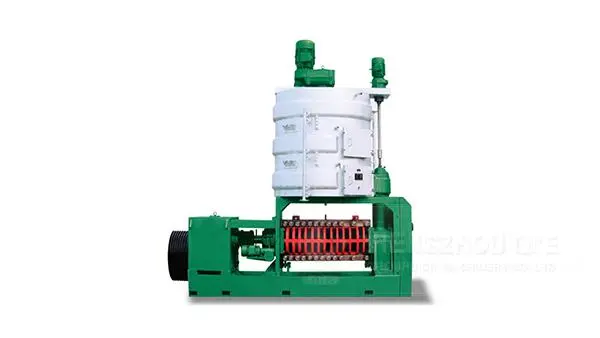
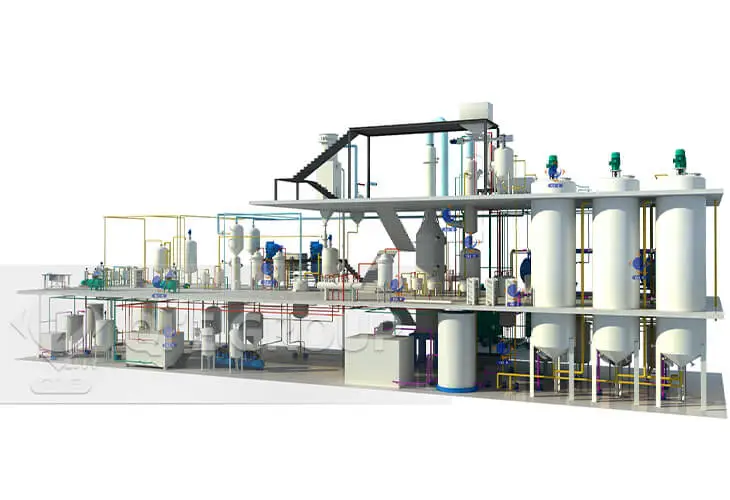
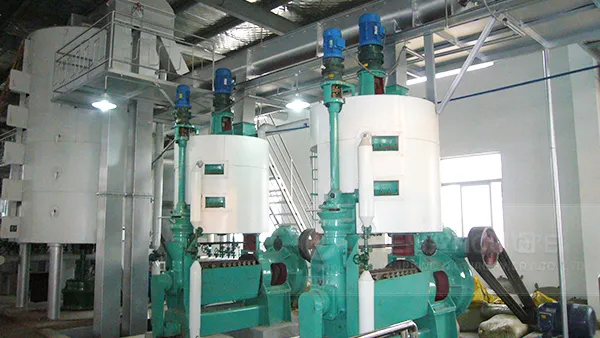
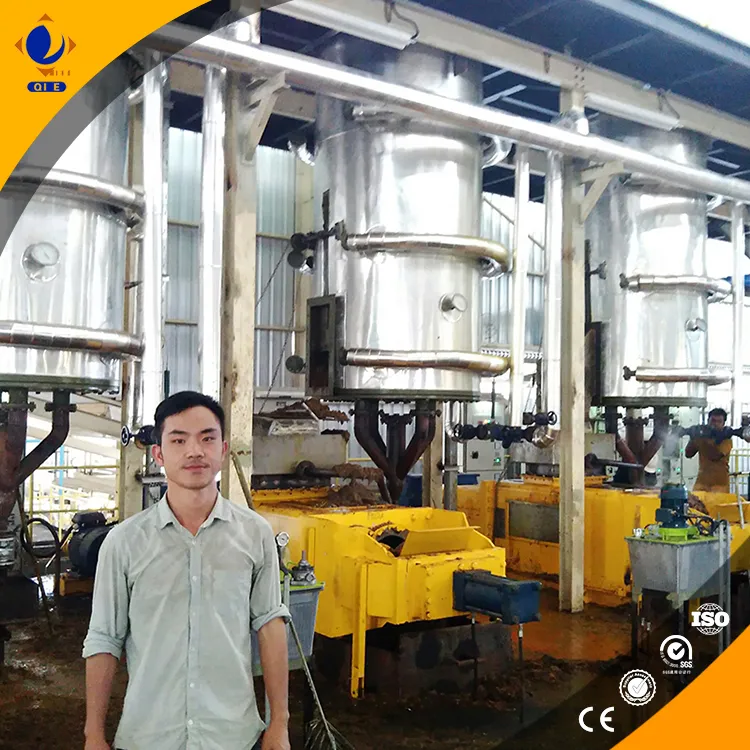
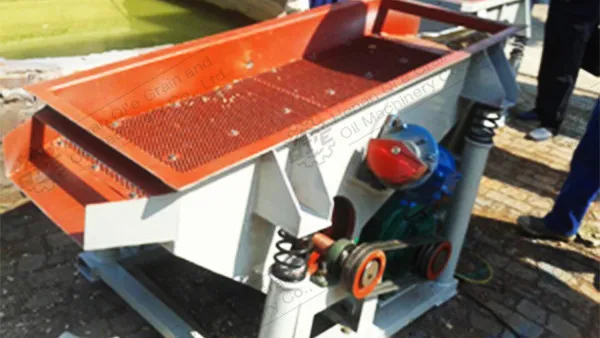
For small-to-mid-sized oilseed processors, choosing the right peanut oil press isn’t just about upfront cost—it’s a strategic investment that impacts daily operations, long-term profitability, and production continuity. This guide breaks down how to evaluate equipment performance, implement effective maintenance routines, and prevent common failures—using real-world data from successful installations across Southeast Asia and Africa.
When evaluating compact peanut oil presses like those offered by QIE Group, focus on four critical indicators:
A case study from a Vietnamese peanut processor using Penguin's model P-750 showed:
| Metric | Before Upgrade | After Penguin Press |
|---|---|---|
| Daily Output (kg) | 80–90 | 100–115 |
| Maintenance Cost/Month | $150 | $60 |
| Downtime/Week | 8 hrs | 2 hrs |
With an initial investment of $3,800 and annual savings exceeding $2,000, payback typically occurs within 18–24 months—a compelling return for any SME owner.
Following a simple monthly checklist can extend your machine’s lifespan beyond 8 years (industry average: 5–6). Key steps include:
These practices align with ISO 9001 standards for quality management in food processing facilities and are often required during third-party audits.
The most frequent issues reported by users involve:
By addressing these proactively, you’ll avoid costly repairs and maintain steady throughput—a major concern for buyers who rely on predictable delivery schedules.
Whether you're optimizing an existing setup or planning a new facility, the QIE Group peanut oil press offers proven reliability, easy maintenance, and measurable ROI. Let us help you make smarter decisions—not just faster ones.
Explore the Penguin Compact Peanut Oil Press SolutionPublished with technical input from certified engineers at QIE Group R&D Center, Vietnam. Based on field data collected from 12 operational sites in 2023–2024.
 425
|
425
|
 Screw pressing technology
Peanut oil yield improvement
Comparison of hot and cold pressing processes
Small peanut oil press
Energy-saving solutions for grain and oil processing
54
|
peanut oil quality improvement
peanut oil pressing process
hot pressing vs cold pressing
oil extraction efficiency
peanut oil production optimization
309
|
industrial spiral oil press transportation
6YL-185 spiral hydraulic oil press installation
cross-border oil press deployment
spiral oil press on-site commissioning
oil press installation best practices
485
|
Peanut oil pressing technology
Hot and cold pressing comparison
Screw press
Grain and oil processing technology
Export peanut oil
427
|
Screw pressing technology
Peanut oil press
Grain and oil processing equipment
Hot and cold pressing processes
Energy-saving pressing technology
Screw pressing technology
Peanut oil yield improvement
Comparison of hot and cold pressing processes
Small peanut oil press
Energy-saving solutions for grain and oil processing
54
|
peanut oil quality improvement
peanut oil pressing process
hot pressing vs cold pressing
oil extraction efficiency
peanut oil production optimization
309
|
industrial spiral oil press transportation
6YL-185 spiral hydraulic oil press installation
cross-border oil press deployment
spiral oil press on-site commissioning
oil press installation best practices
485
|
Peanut oil pressing technology
Hot and cold pressing comparison
Screw press
Grain and oil processing technology
Export peanut oil
427
|
Screw pressing technology
Peanut oil press
Grain and oil processing equipment
Hot and cold pressing processes
Energy-saving pressing technology