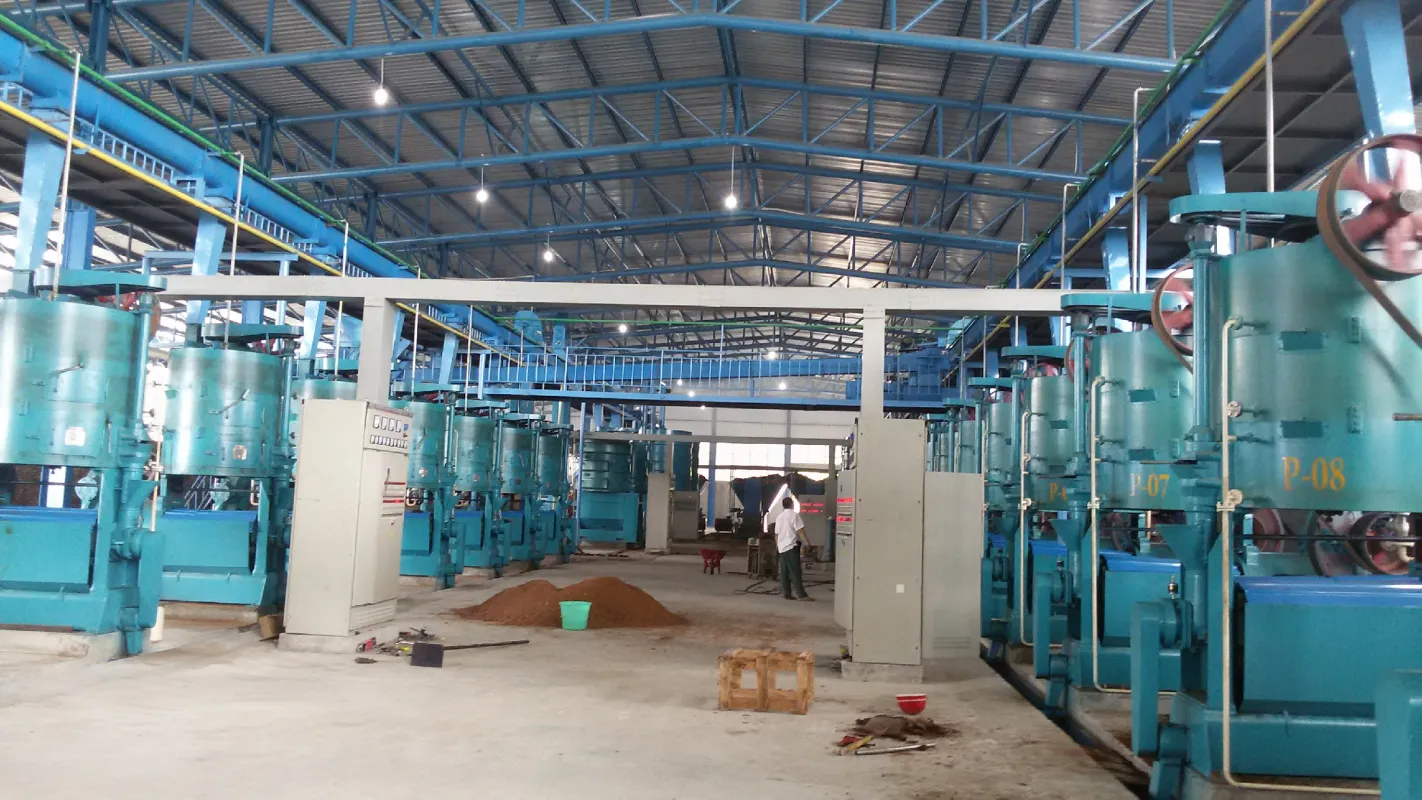
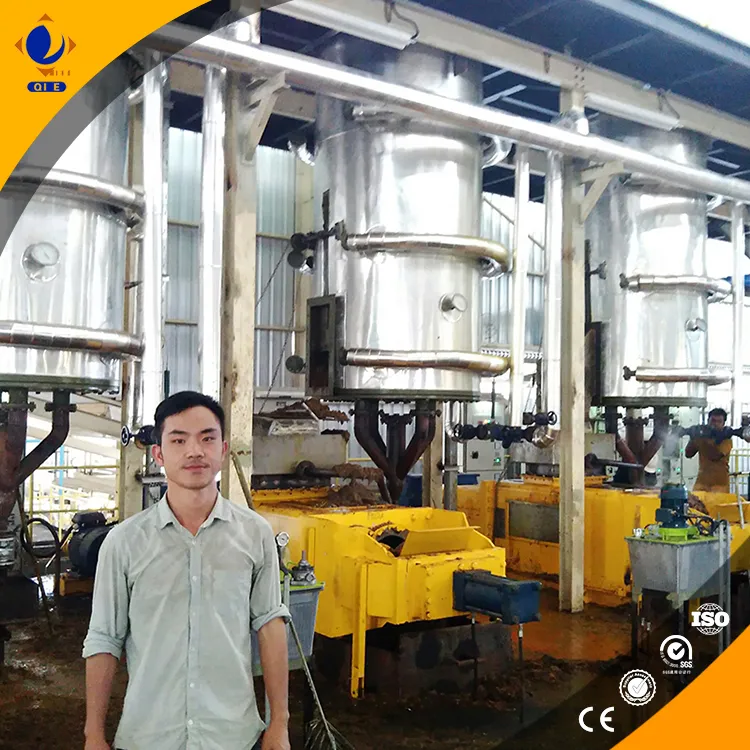
The application of magnetic separation technology in oil pressing processes has become a pivotal solution in ensuring higher oil purity and extended equipment lifespan. As the demand for cleaner and safer edible oils rises, grain and oil enterprises increasingly rely on advanced magnetic separators integrated within pressing machines to efficiently remove metallic impurities and mitigate mechanical wear. This article explores how magnetic separation drives operational excellence, simultaneously reducing energy consumption and boosting production efficiency.
Magnetic separators operate by generating a magnetic field that attracts ferromagnetic particles—including residual iron and steel fragments—from the raw oilseeds prior to pressing. This preemptive removal of contaminants not only prevents oil adulteration but also protects the pressing equipment from abrasive damage. Typically, magnetic separation is installed in the pretreatment stage where its high-efficiency collection of metallic debris plays a crucial role in maintaining oil quality and equipment integrity.
High-grade soybean and sunflower seeds frequently contain trace metal contaminants introduced during harvesting, transport, or prior processing. Magnetic separation effectively reduces these impurities by over 98%, a figure confirmed by industry tests and user reports, thus markedly enhancing the purity of the extracted oil.
The integration of magnetic separation in large-scale soybean oil mills has demonstrated significant improvements in oil clarity and safety. For instance, a notable enterprise reported a reduction in metallic particles from 120 mg/kg to less than 2 mg/kg post-implementation, supporting compliance with international edible oil standards.
Similarly, in sunflower oil pressing operations, magnetic separation reduced filter clogging incidents by approximately 75%, optimizing downstream refining processes.
Equipment longevity is directly influenced by mechanical wear from abrasive particles. Data collected from pilot sites indicates that the use of magnetic separators reduced the wear rate on pressing cylinders by nearly 30%, leading to fewer service interruptions and significantly lower maintenance costs.
From an energy consumption perspective, magnetic separation contributes to lowering the pressing machine's energy use by about 12–15%. This is attributed to smoother mechanical operations and less frequent filter replacement, which collectively decrease downtime and energy wastage.
Industry Expert Insight: “Incorporating magnetic separation technology is no longer optional for oil processors aiming for superior product quality and longer equipment life. The measurable benefits in operational efficiency and product safety are substantial,” says Dr. Emily Harper, Senior Process Engineer at FoodTech Labs.
Contemporary magnetic separation equipment is engineered with energy efficiency as a core principle. The collaboration of magnetic separation with newly designed energy-saving oil presses enables a holistic reduction in power consumption across the production line. These integrated systems utilize optimized magnetic field strength and automated debris clearing mechanisms to sustain peak performance while minimizing operator intervention.
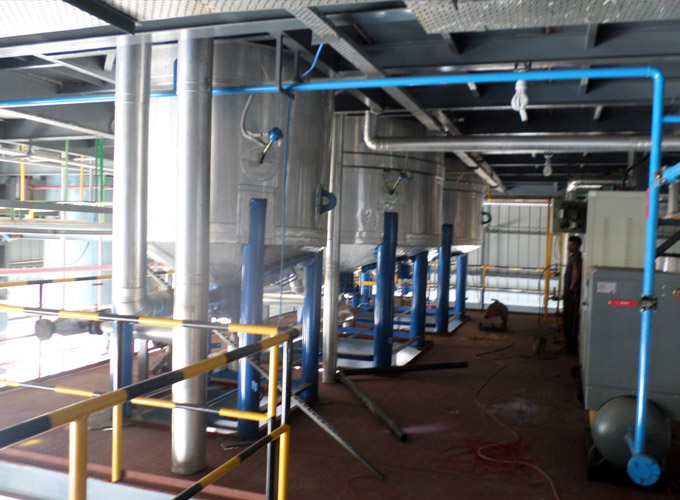
Beyond immediate technical advantages, magnetic separation technology aligns with broader corporate sustainability goals. By reducing waste and energy use, it supports cleaner production practices and aids enterprises in achieving environmental compliance. Additionally, stable oil quality resulting from effective impurity control enhances brand reputation and customer trust in global markets.
QIE Group’s flagship magnetic separators and energy-saving oil presses combine to deliver a highly efficient, reliable, and sustainable production solution. Tailored for diverse oilseed types, these systems feature robust magnetic fields, modular designs for easy integration, and responsive after-sales support ensuring minimal downtime and optimal lifecycle management.
 209
|
209
|
 sunflower oil refining equipment selection
small medium oil mill equipment procurement
after-sales service evaluation
automated temperature-controlled dewaxing
edible oil refining configuration
179
|
Small peanut oil press
Advantages of compact design
Energy efficiency assessment
Grain and oil processing equipment purchasing guide
Oil yield improvement
332
|
small peanut oil press machine
oil pressing equipment selection
compact oil extraction machine
energy-efficient oil press
peanut oil production equipment
265
|
spiral pressing technology
peanut oil yield improvement
hot pressing vs cold pressing
grain and oil processing equipment
production process optimization
38
|
Peanut oil press
Screw pressing technology
Peanut oil production process
Comparison of hot and cold pressing
Grain and oil processing equipment
sunflower oil refining equipment selection
small medium oil mill equipment procurement
after-sales service evaluation
automated temperature-controlled dewaxing
edible oil refining configuration
179
|
Small peanut oil press
Advantages of compact design
Energy efficiency assessment
Grain and oil processing equipment purchasing guide
Oil yield improvement
332
|
small peanut oil press machine
oil pressing equipment selection
compact oil extraction machine
energy-efficient oil press
peanut oil production equipment
265
|
spiral pressing technology
peanut oil yield improvement
hot pressing vs cold pressing
grain and oil processing equipment
production process optimization
38
|
Peanut oil press
Screw pressing technology
Peanut oil production process
Comparison of hot and cold pressing
Grain and oil processing equipment