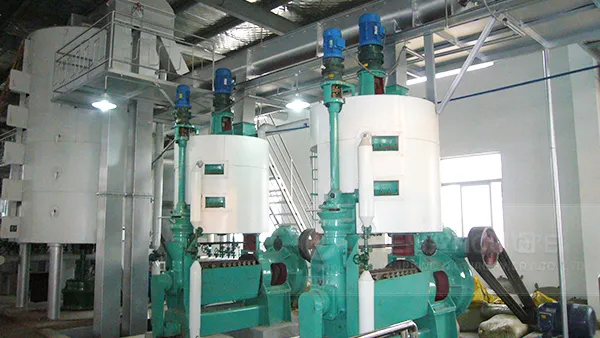
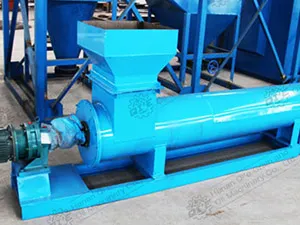
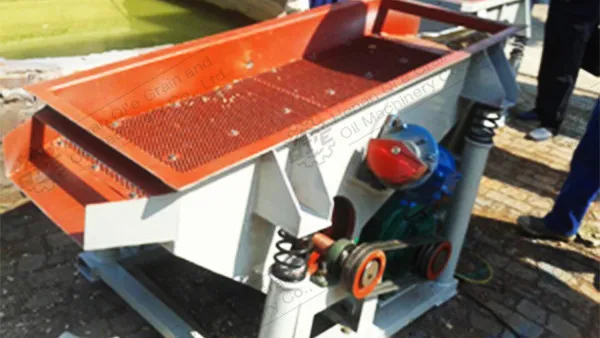
In the competitive landscape of edible oil production, ensuring the highest oil purity and maximizing equipment durability remain top priorities for processors. Magnetic separation technology emerges as a pivotal innovation tailored for soybean oil pressing and various other oilseed processing applications. By effectively removing metal contaminants from raw materials, this technique not only safeguards oil quality but also extends the operational lifespan of pressing machinery. This article explores the working principles, applied benefits, and sustainability impact of magnetic separation integrated with energy-saving designs, positioning it as a must-have for modern grain and oil processing enterprises.
Magnetic separation harnesses magnetic fields to attract and isolate ferrous particles embedded in oilseeds such as soybeans, sunflower seeds, and rapeseed. These metal impurities, often microscopic or concealed within crushed material, pose a risk of equipment abrasion and oil contamination if left unchecked. Typical magnetic separators apply high-intensity magnets placed strategically before or during the pressing process, capturing metal debris with removal efficiencies exceeding 95%. This reduces downstream filtration burdens and prevents damage to screw presses and hydraulic components.
Leading grain and oil processing plants adopting magnetic separation have observed significant improvements. For instance, integrating a magnetic separator before the pressing line results in a 30% reduction in unexpected equipment maintenance due to metal-induced wear. Concurrently, oil purity metrics improve, with free fatty acid content lowered by approximately 10% attributed to minimized contamination. Beyond soybeans, sunflower and rapeseed processors report enhanced pressing efficiency and safer product output, as evidenced by compliance rates with international food safety standards such as ISO 22000 and HACCP.
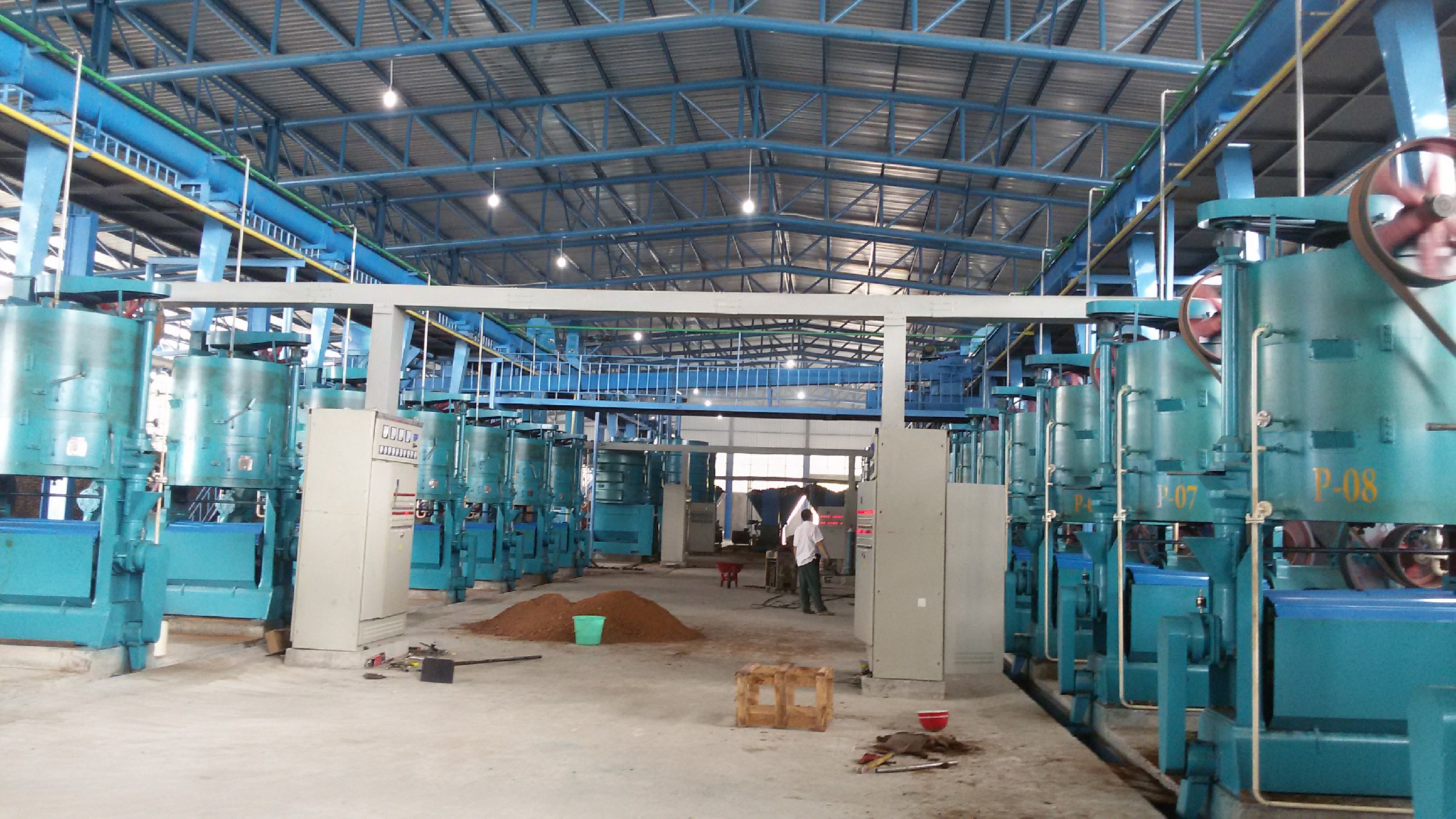
Coupling magnetic separators with energy-saving presses creates a dual benefit system for oil producers. Reduced metal contamination means less abrasive wear on pressing screws and cylinders, which in turn lowers energy consumption by approximately 15% over the equipment lifecycle. Enhanced operational reliability decreases downtime by up to 20%, directly boosting throughput capacity and ROI. Additionally, state-of-the-art separators from QIE Group feature smart designs minimizing resistance, ensuring magnetic power is maintained without compromising press energy efficiency.
In alignment with global green manufacturing trends, magnetic separation assists enterprises in reducing waste and energy use, fostering sustainable oil production. Cleaner raw material inputs translate into fewer refining steps and lower chemical usage downstream, directly diminishing environmental footprint. Moreover, by prolonging equipment life, processors reduce metal scrap generation and resource consumption tied to machine replacements.
One notable case involved a large-scale soybean oil producer upgrading its pressing line with QIE Group’s magnetic separator coupled with energy-efficient presses. Post-installation, metal contamination incidents dropped by 98%, equipment downtime reduced by 25%, and oil quality parameters improved significantly, meeting rigorous export standards. The turnkey solution included comprehensive after-sales support, ensuring seamless integration and operator training. This allowed the facility to significantly reduce operational costs while enhancing product safety and customer satisfaction.
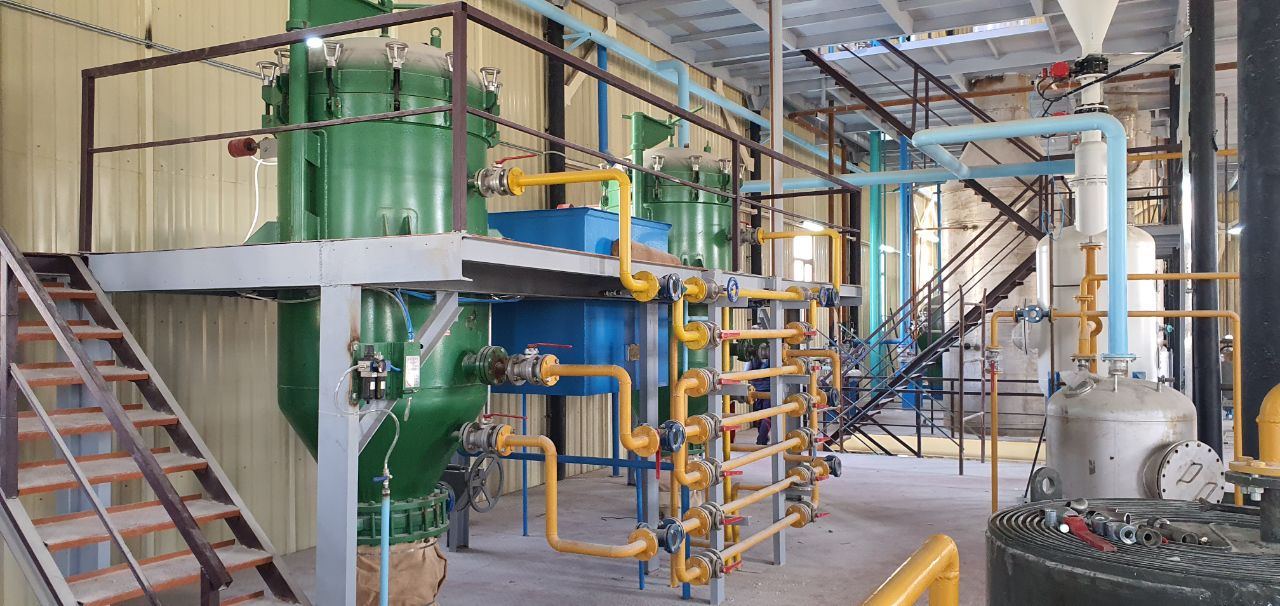
Selecting QIE Group’s magnetic separators means investing in the highest standard of oilseed processing technology. With advanced magnetic alloys ensuring persistent field strength and modular designs for easy maintenance, the products promise sustained removal efficiency and minimal energy impact. Coupled with QIE Group’s extensive support network and customization capabilities, grain and oil processors gain a reliable partner committed to fostering green and high-efficiency oil extraction.
 219
|
219
|
 Small peanut oil press purchase guide
Input - output ratio of grain and oil processing equipment
Comparison of hot and cold pressing processes
Maintenance points of peanut oil pressing equipment
Equipment selection for small grain and oil processing plants
172
|
Sunflower oil refining equipment selection
Small and medium oil mill equipment procurement
Automated temperature-controlled dewaxing technology
Edible oil refining process
Oil industry after-sales service
211
|
industrial spiral oil press
high-efficiency oil extraction equipment
small to medium-sized oil processing plant
extraction rate analysis
ISO9001 certification
332
|
small peanut oil press machine
oil pressing equipment selection
compact oil extraction machine
energy-efficient oil press
peanut oil production equipment
134
|
Peanut oil screw press
Screw pressing equipment maintenance
Peanut oil extraction rate optimization
Comparison of hot - pressing and cold - pressing processes
Parameter adjustment of grain and oil processing equipment
Small peanut oil press purchase guide
Input - output ratio of grain and oil processing equipment
Comparison of hot and cold pressing processes
Maintenance points of peanut oil pressing equipment
Equipment selection for small grain and oil processing plants
172
|
Sunflower oil refining equipment selection
Small and medium oil mill equipment procurement
Automated temperature-controlled dewaxing technology
Edible oil refining process
Oil industry after-sales service
211
|
industrial spiral oil press
high-efficiency oil extraction equipment
small to medium-sized oil processing plant
extraction rate analysis
ISO9001 certification
332
|
small peanut oil press machine
oil pressing equipment selection
compact oil extraction machine
energy-efficient oil press
peanut oil production equipment
134
|
Peanut oil screw press
Screw pressing equipment maintenance
Peanut oil extraction rate optimization
Comparison of hot - pressing and cold - pressing processes
Parameter adjustment of grain and oil processing equipment