.jpg?x-oss-process=image/resize,h_1000,m_lfit/format,webp)
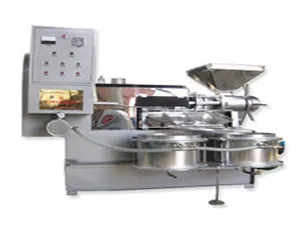
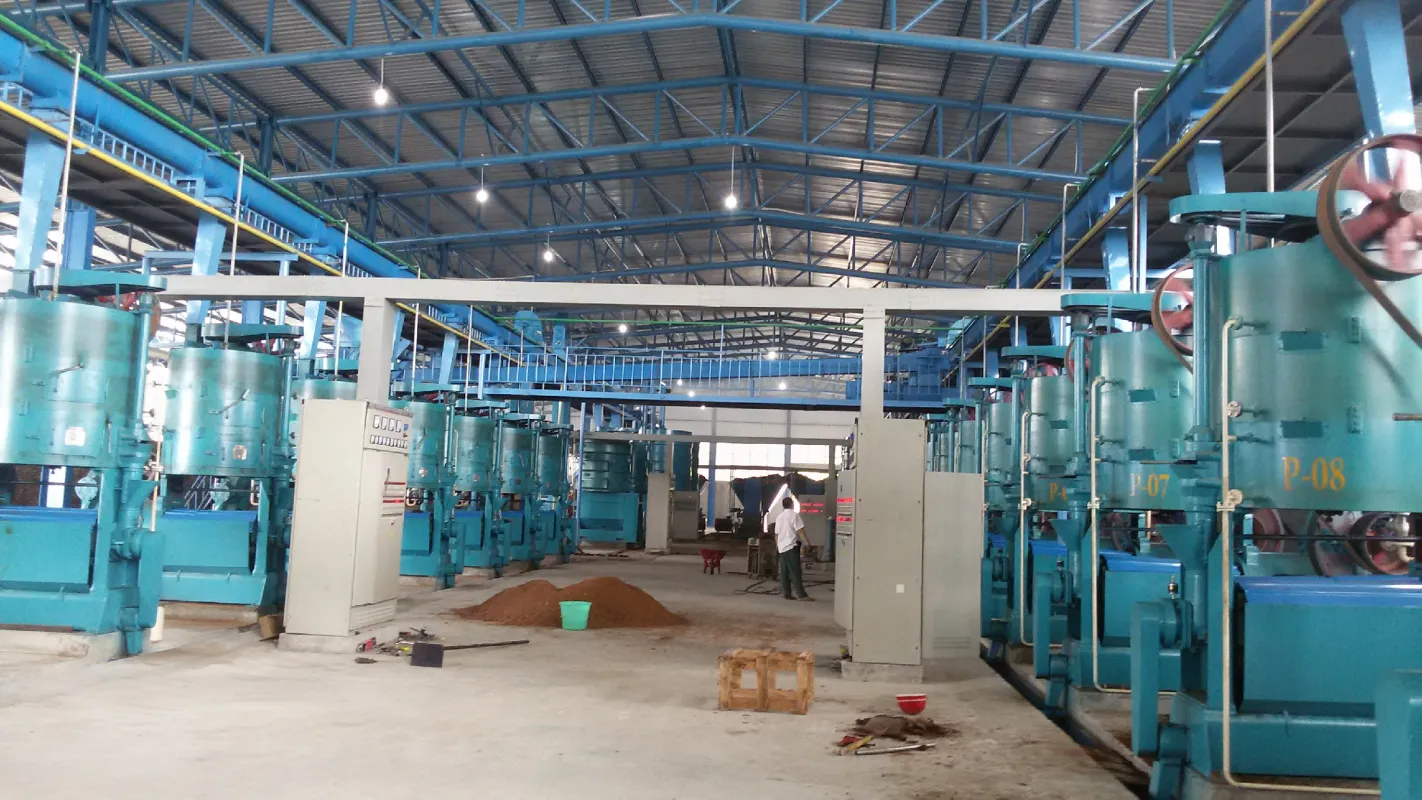
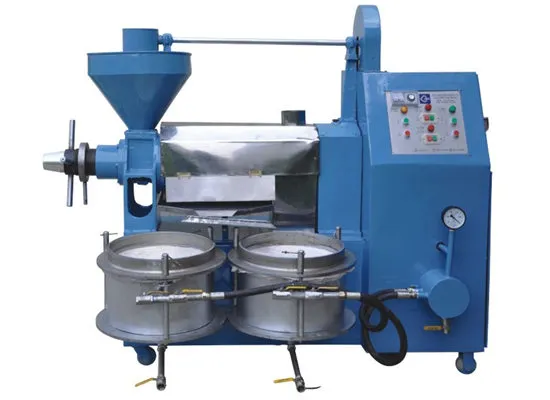
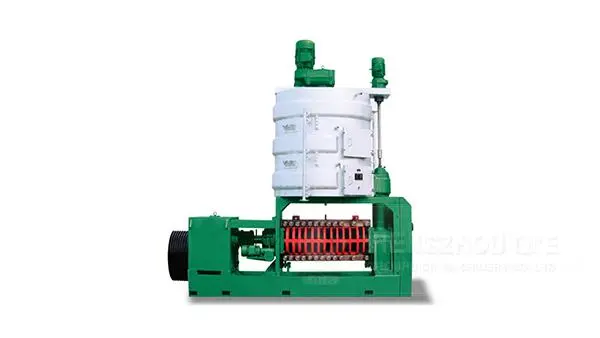
Selecting the right industrial spiral oil press is pivotal for manufacturers aiming to optimize oil extraction efficiency and ensure long-term operational stability. This guide delves deep into key performance indicators—pressing ratio stability, hourly throughput, energy consumption efficiency, and equipment durability—to empower procurement decision-makers and technical specialists in making informed choices aligned with both economic and environmental objectives.
The pressing ratio, defined as the oil extracted relative to the raw material input, is an essential metric for evaluating a spiral oil press’s efficiency. However, stability over extended operational cycles sets truly reliable equipment apart. Machines maintaining a consistent pressing ratio within a ±3% variance across 1,000+ operating hours have demonstrated superior mechanical design and process control. This stability indicates not only effective oil yield but also reduced wear on components.
In comparison, traditional shaft presses often exhibit fluctuations exceeding 7%, raising concerns over unpredictable output and increased maintenance. In contrast, advanced spiral extrusion technology integrated into industrial-level presses enhances uniform pressure application and material flow, thus securing stable yields essential for large-scale production.
Unit processing capacity and energy consumption are interdependent performance parameters that directly impact production costs and environmental footprint. Modern industrial spiral oil presses typically achieve processing capacities from 500kg/h to over 2000kg/h depending on model configuration, optimized to accommodate various oilseeds such as sunflower, soybean, and rapeseed.
From energy efficiency perspective, best-in-class machines consume approximately 0.8 to 1.2 kWh per 100 kg of raw material processed, representing a 15-25% improvement over older models widely used in legacy operations. These gains stem from motor enhancements, precision-controlled hydraulic systems, and heat recovery mechanisms.
| Parameter | Industrial Spiral Press | Traditional Shaft Press |
|---|---|---|
| Pressing Ratio Stability | ±3% over 1,000 hours | ±7% or more |
| Hourly Throughput | 500–2000 kg/h | 300–1200 kg/h |
| Energy Consumption | 0.8–1.2 kWh/100kg | 1.1–1.6 kWh/100kg |
| Average Equipment Lifespan | 15+ years (with ISO-certified components) | 10–12 years |
ISO9001:2000 certification represents a rigorous quality management standard that reassures buyers of continual process optimization and compliance with stringent material and engineering checks. Industrial spiral oil presses holding this certification have undergone systematic validation of sourcing quality steel castings, machining accuracy, and assembly precision, all of which extend operational longevity and reduce unscheduled downtime.
Manufacturers adhering to ISO standards typically implement routine performance audits and traceability systems that align with global green manufacturing trends. Such frameworks not only elevate product reliability but also support sustainability initiatives by lowering waste generation and enhancing energy efficiency.
Increasing regulatory emphasis on environmental compliance has elevated the importance of selecting energy-saving and eco-friendly oil extraction solutions. Industrial spiral presses designed with advanced sealing technology and optimized screw profiles minimize raw material residue and reduce electricity consumption, directly impacting return on investment (ROI) over equipment lifecycle.
Companies integrating these devices witness tangible benefits: reduced operational costs by up to 20%, lower carbon footprint in measurable terms, and enhanced corporate social responsibility (CSR) profile—critical factors when bidding for international contracts or expanding into environmentally sensitive markets.
Beyond headline metrics, operational stability derives from harmonizing machine components including:
Evaluating supplier track record, aftersales service capabilities, and alignment with ISO standards complements technical assessment and mitigates potential selection risks.
To simplify your procurement analysis, download our comprehensive Industrial Oil Press Equipment Selection Checklist. This free resource distills critical evaluation criteria, benchmarking data, and self-audit tools that empower manufacturers to reduce risks and boost production reliability.
Download Your Selection Checklist Now 496
|
496
|
 industrial oil press maintenance tips
spiral shaft wear resistance
automated lubrication system
oil press daily cleaning
reducing oil press failure rates
124
|
peanut oil press machine
cold press vs hot press
peanut oil quality improvement
small scale oil pressing equipment
export grade oil press
172
|
peanut oil screw press machine
cold press vs hot press
peanut oil quality improvement
small scale oil processing equipment
oil extraction rate optimization
457
|
sunflower seed oil refining
vacuum distillation technology
automated dewaxing system
edible oil quality control
ISO9001 certified oil production
450
|
small peanut oil press
oil pressing equipment for SMEs
efficient oil extraction machine
peanut oil processing solution
industrial oil press maintenance
industrial oil press maintenance tips
spiral shaft wear resistance
automated lubrication system
oil press daily cleaning
reducing oil press failure rates
124
|
peanut oil press machine
cold press vs hot press
peanut oil quality improvement
small scale oil pressing equipment
export grade oil press
172
|
peanut oil screw press machine
cold press vs hot press
peanut oil quality improvement
small scale oil processing equipment
oil extraction rate optimization
457
|
sunflower seed oil refining
vacuum distillation technology
automated dewaxing system
edible oil quality control
ISO9001 certified oil production
450
|
small peanut oil press
oil pressing equipment for SMEs
efficient oil extraction machine
peanut oil processing solution
industrial oil press maintenance