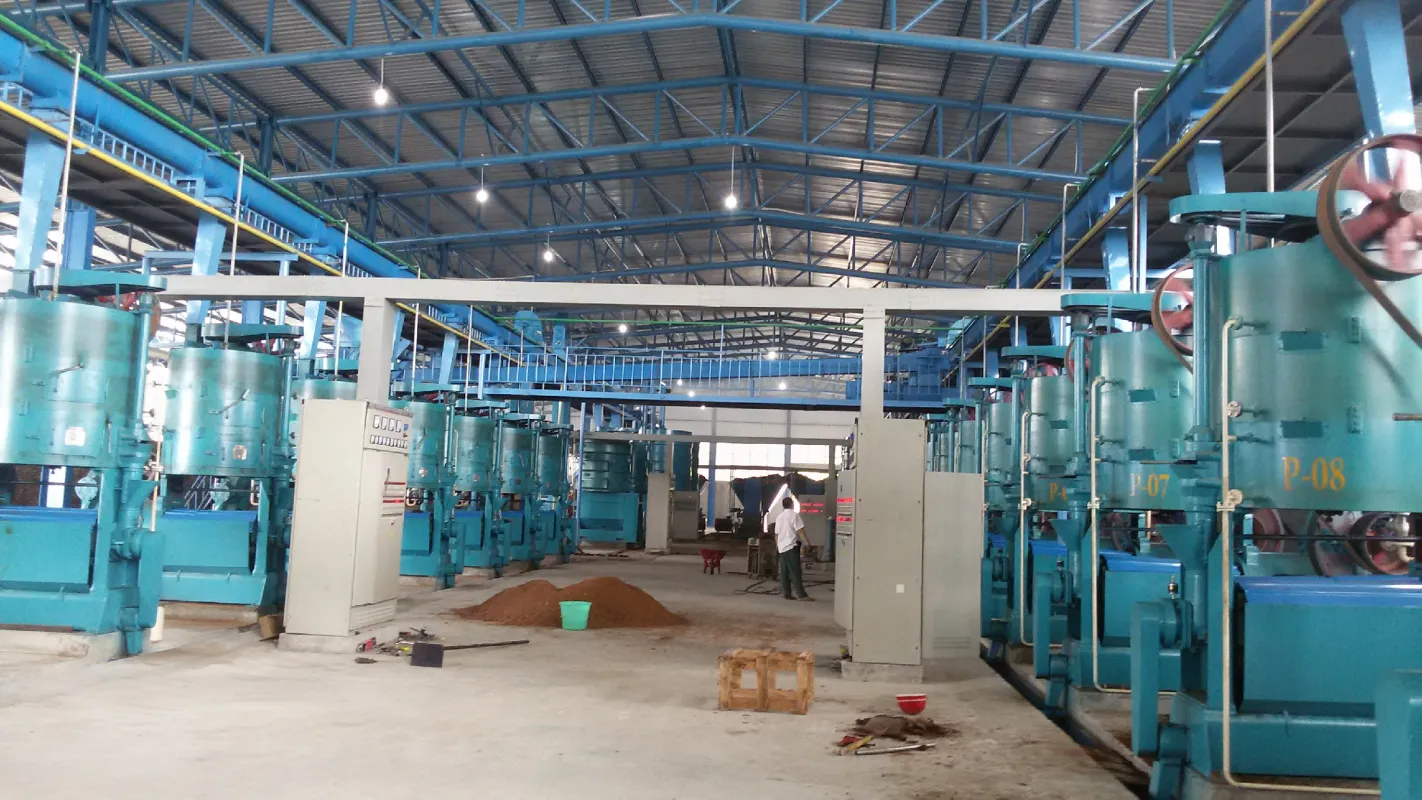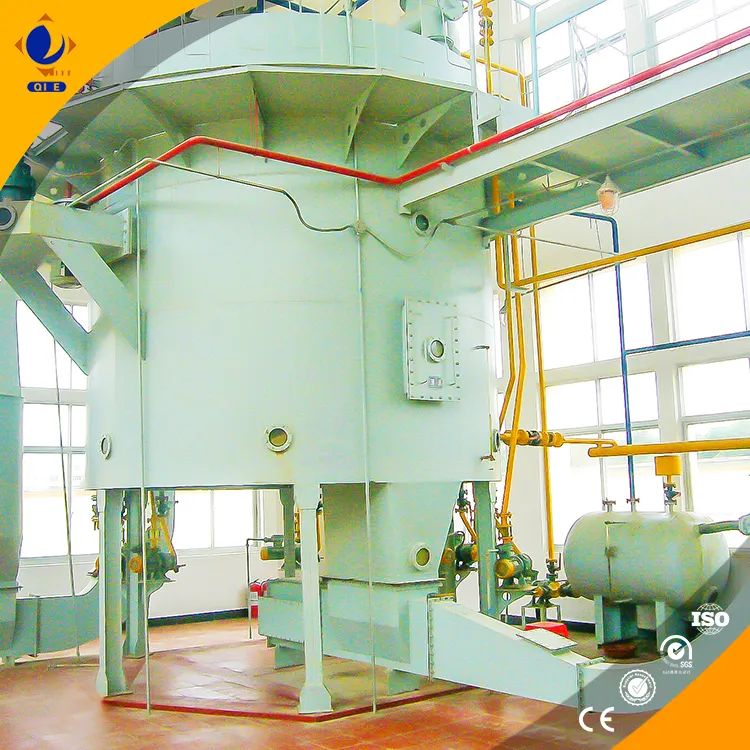
In today’s competitive global marketplace, selecting the right industrial oil extraction equipment is a critical strategic decision for exporters. The 6YL-185 Industrial Spiral Oil Press from Qie Group exemplifies cutting-edge technology that advances operational efficiency while ensuring rigorous quality standards. This article delves into the essential performance indicators, from throughput capacity to energy consumption, that empower B2B buyers and technical managers to make informed purchasing decisions that boost export competitiveness.
| Performance Metric | Specification | Industry Benchmark |
|---|---|---|
| Unit Hourly Processing Capacity | 150-180 kg/hour | 100-130 kg/hour (conventional presses) |
| Oil Yield Stability (Pressing Ratio) | Above 85% | ~75-80% (traditional screw presses) |
| Energy Consumption | ≤ 4.5 kWh per 100kg processed | 6-7 kWh per 100kg (older equipment) |
| Operational Durability | Continuous 24/7 operation > 5 years (MTBF) | 3-4 years MTBF (standard machines) |
Unlike conventional hydraulic or basic screw presses, the 6YL-185 employs a refined spiral extrusion mechanism that optimizes mechanical force distribution along the pressing chamber. This advancement translates to:
Collectively, these factors significantly reduce operational costs, making the 6YL-185 an attractive option for enterprises aiming to maximize export profitability while adhering to green manufacturing principles.
“The ISO9001:2000 standard institutes a rigorous quality management system that guarantees product consistency and reliability throughout continuous production cycles.”
The Qie Group integrates ISO9001:2000 protocols into every manufacturing phase of the 6YL-185 spiral oil press:
For procurement specialists and engineers, the ISO certification serves as an independent validation framework that facilitates confident decision-making and mitigates risks associated with equipment failures.
Global industrial trends increasingly favor technologies that not only improve productivity but also reduce environmental footprints. The 6YL-185 inherently supports these objectives by:
Investing in such equipment translates into tangible benefits on the balance sheet: operational cost reduction combined with higher throughput contributes to a projected ROI uplift of 15%-20% within the first 18 months, based on typical industrial use cases.
To cater to the varied expertise levels among readers, the following layers summarize the critical data:
This multi-tiered approach facilitates precise, actionable understanding tailored to role-specific priorities and decision frameworks.
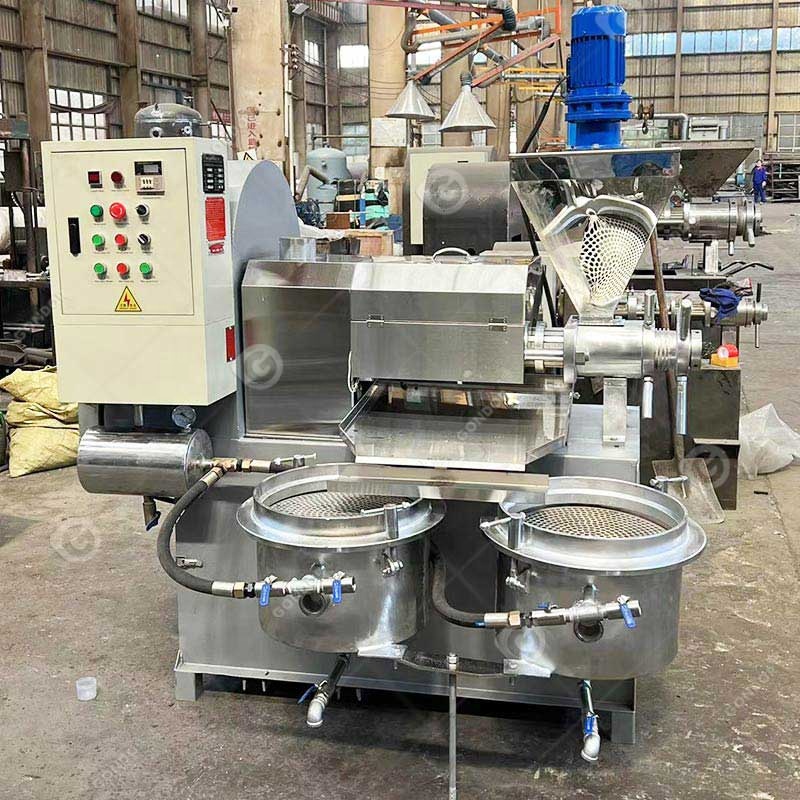
One large-scale edible oil producer in Southeast Asia upgraded its outdated screw presses to the 6YL-185 spiral oil presses in 2022. The operational benefits post-deployment included:
These quantitative achievements underscore how technical advancements married with disciplined quality control can generate measurable export competitiveness.
.jpg)
 501
|
501
|
 small peanut oil press maintenance
peanut oil press machine保养
oil press equipment care
spiral press daily maintenance
small oil mill upkeep
449
|
oil press operation guide
magnetic separator usage
energy-saving oil press maintenance
grain and oil processing equipment
oil press troubleshooting
57
|
peanut oil processing
peanut oil aroma enhancement
pressing process parameters
difference between hot - pressing and cold - pressing
oil quality optimization
91
|
Screw pressing technology
Peanut oil pressing process
Difference between cold and hot pressing
Grain and oil processing equipment
Energy - saving press
80
|
magnetic separation technology
oil pressing machine
soybean oil purity enhancement
equipment wear reduction
energy-saving oil press
small peanut oil press maintenance
peanut oil press machine保养
oil press equipment care
spiral press daily maintenance
small oil mill upkeep
449
|
oil press operation guide
magnetic separator usage
energy-saving oil press maintenance
grain and oil processing equipment
oil press troubleshooting
57
|
peanut oil processing
peanut oil aroma enhancement
pressing process parameters
difference between hot - pressing and cold - pressing
oil quality optimization
91
|
Screw pressing technology
Peanut oil pressing process
Difference between cold and hot pressing
Grain and oil processing equipment
Energy - saving press
80
|
magnetic separation technology
oil pressing machine
soybean oil purity enhancement
equipment wear reduction
energy-saving oil press