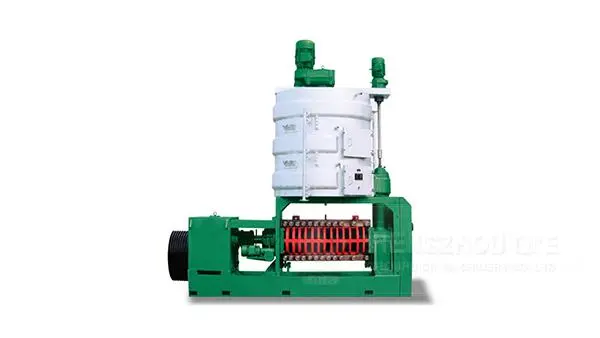
The 6YL-185 Industrial Spiral Oil Press, designed and manufactured by Penguin Group, represents a milestone in grain and oil processing machinery engineered for durability and efficiency. Understanding its core structural components and maintenance practices is essential for production supervisors and technical teams aiming to reduce downtime and extend equipment longevity.
At the heart of the 6YL-185 lies the wear-resistant spiral shaft, a pivotal design that significantly combats abrasive wear inherent in oil pressing processes. Constructed with high-grade alloy steel and treated through advanced surface hardening techniques, this shaft offers a lifespan increase of up to 30% compared to conventional designs in comparable machinery.
Complementing the shaft is an optimized sealing system that ensures minimal oil leakage and protects internal components from contaminants. Through labyrinth and lip seal combinations, the system achieves an effective seal integrity exceeding 95%, contributing to operational reliability and improved environmental safety in plant conditions.
Another hallmark is the automatic lubrication mechanism, which precisely supplies necessary lubrication to moving parts, reducing manual intervention frequency by 80%. This not only curtails wear but also ensures consistent machine performance, enabling production facilities to meet stringent uptime benchmarks.
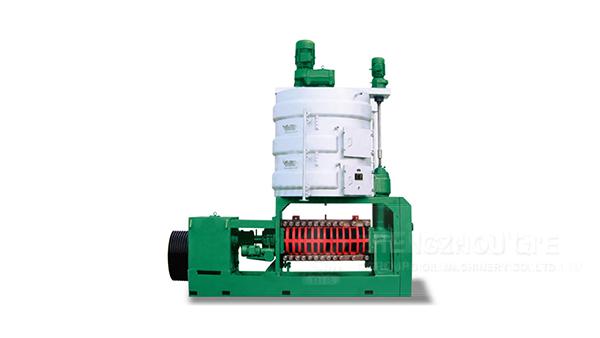
Maintaining the 6YL-185’s peak performance revolves around well-structured routine care. Technical teams should adhere to a rigorous daily cleaning schedule targeting oil residue and particulates buildup, usually after each production shift. Regular cleaning not only maximizes operational efficiency but also prevents progressive component degradation.
Key inspection checkpoints must include the spiral shaft wear level, seal integrity, and lubrication system functionality. Industry records show that scheduled checks every 500 operational hours reduce unexpected failures by 40% on average. Adhering to these intervals allows early detection of wear, enabling proactive component replacement.
Regarding consumables, wear-prone parts replacement cycles—such as press cage screens and shaft bearings—typically range from 12 to 18 months, depending on throughput and material hardness. Tracking such metrics with maintenance logs ensures timely procurement and avoids costly downtime.
.jpg)
For example, a grain and oil processing plant in Zhejiang province documented operational data over one year deploying this maintenance methodology: unplanned stoppages dropped by 28%, and mean time between failures (MTBF) extended from 1,200 to 1,800 hours. These tangible results illustrate how focusing on structural features and disciplined maintenance can translate into measurable business value.
With the 6YL-185, integration of these design advantages and maintenance practices aligns with the goals of reducing maintenance cost and maximizing equipment uptime, enabling plants to improve production scheduling and reduce labor overhead.
.jpg)
 146
|
146
|
 Peanut oil cold pressing process
Peanut oil hot pressing process
Screw pressing technology
Peanut oil pressing equipment
Grain and oil processing technology optimization
258
|
sunflower oil refining equipment selection
small medium oil mill equipment buying guide
automated temperature-controlled dewaxing technology
1-500TPD oil refining machinery
food oil processing equipment configuration
91
|
Screw pressing technology
Peanut oil pressing process
Difference between cold and hot pressing
Grain and oil processing equipment
Energy - saving press
193
|
Peanut oil press
Screw pressing technology
Grain and oil processing equipment
Hot and cold pressing processes
Oil yield improvement
117
|
peanut oil expeller
peanut oil production process
cooking parameter optimization
hot pressing vs cold pressing
oil processing equipment
Peanut oil cold pressing process
Peanut oil hot pressing process
Screw pressing technology
Peanut oil pressing equipment
Grain and oil processing technology optimization
258
|
sunflower oil refining equipment selection
small medium oil mill equipment buying guide
automated temperature-controlled dewaxing technology
1-500TPD oil refining machinery
food oil processing equipment configuration
91
|
Screw pressing technology
Peanut oil pressing process
Difference between cold and hot pressing
Grain and oil processing equipment
Energy - saving press
193
|
Peanut oil press
Screw pressing technology
Grain and oil processing equipment
Hot and cold pressing processes
Oil yield improvement
117
|
peanut oil expeller
peanut oil production process
cooking parameter optimization
hot pressing vs cold pressing
oil processing equipment