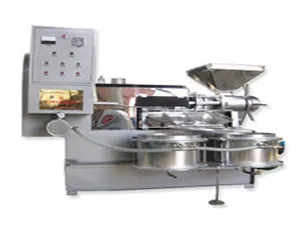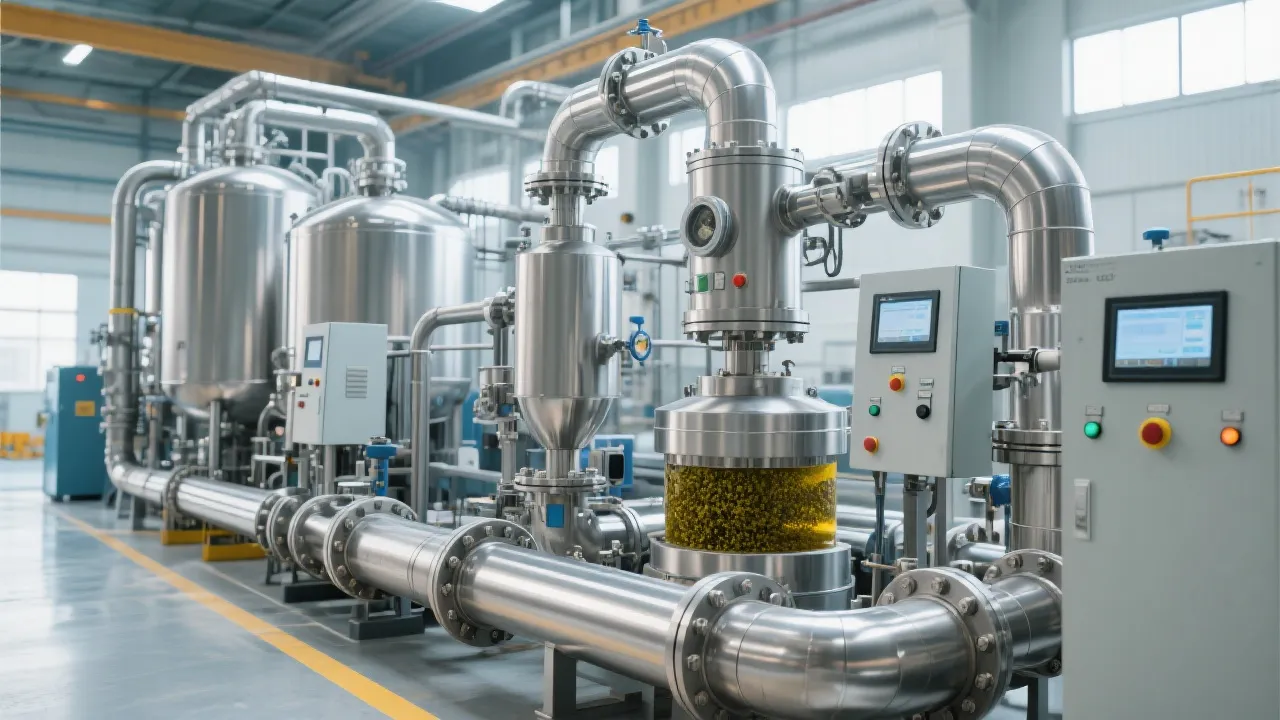
Selecting the right industrial screw oil press is critical for optimizing operational efficiency and cost control in plant oil production. Among the many factors, two performance indicators stand out: hourly processing capacity and pressing ratio stability. These parameters directly impact throughput, energy consumption, and ultimately the return on investment (ROI) for manufacturers.
Hourly processing capacity defines how much raw material the machine can handle continuously. For example, a 500 kg/h screw oil press significantly boosts production over a machine processing 300 kg/h, assuming similar raw materials and operational conditions. In industrial contexts, every incremental increase in capacity translates into shorter batch cycles and higher total output, which is vital for large-scale manufacturing.
However, capacity alone does not guarantee efficiency. Machines must sustain stable performance over long runs without frequent downtime to maximize throughput. This reliability reduces labor costs associated with maintenance and downtime interruption, which, according to industry reports, can save operators upwards of $20,000 annually in operational expenses.
Pressing ratio, defined as the oil output volume per unit of raw material, is a vital metric reflecting extraction efficiency. Stability in pressing ratio, preferably within fluctuations of ±3%, means the machine consistently delivers expected yield rather than variable output. This consistency hinges on sophisticated equipment structure and precise process controls, such as screw design and temperature regulation.
Unstable pressing ratios create hidden costs by unpredictably lowering yield, leading to wasted raw materials and higher energy consumption per unit of oil produced. In contrast, modern screw presses that maintain pressing ratio stability enable manufacturers to better forecast production volumes, manage inventory efficiently, and maintain product quality integrity.
Conventional pressing methods—like hydraulic or belt presses—often incur higher energy consumption and complex maintenance demands due to mechanical complexity and slower operational cycles. Screw presses use continuous extrusion mechanics, consuming roughly 20-30% less energy per ton of raw material processed. Simultaneously, maintenance frequency is reduced by 25-40%, owing to fewer moving parts under extreme stress.
This combination of energy efficiency and lower maintenance not only cuts operational costs but also enhances machine uptime — a key advantage for enterprises aiming for sustainable productivity.
| Metric | Hydraulic Press | Belt Press | Screw Oil Press |
|---|---|---|---|
| Energy Consumption (kWh/ton) | 60-70 | 50-60 | 35-45 |
| Maintenance Frequency (per year) | 10-12 | 8-10 | 5-7 |
| Average Pressing Ratio Stability | fluctuates ±8% | fluctuates ±6% | fluctuates ≤ ±3% |
ISO9001:2000 certification reflects a manufacturer’s commitment to quality management systems and continuous improvement. For industrial screw oil presses, this certification ensures production processes are standardized, product quality is consistent, and operational procedures follow international benchmarks.
Buyers leveraging certified equipment typically benefit from predictable machine performance and reliability, validating that consistency extends beyond marketing slogans into tangible operational advantages. This reduces risk for investors and operational managers aiming for long-term stable runs.
Sustainability is no longer optional; it’s a strategic imperative. High-performance screw oil presses complement green manufacturing goals by lowering energy use, reducing waste, and enabling cleaner production cycles. Stable pressing ratio and efficient capacity reduce raw material consumption, facilitating circular economy practices.
In an increasingly eco-conscious market, adopting advanced oil extraction technologies is vital for maintaining competitive advantages and meeting environmental compliance.
For decision-makers, the logical step is to evaluate equipment not only by upfront cost but by a holistic view encompassing lifecycle efficiency, maintenance overhead, and alignment with sustainability mandates.
To select the optimal industrial screw oil press, purchasers should:
Making an informed investment can translate to savings exceeding $30,000 annually in operational costs, improved product consistency, and strengthened market positioning.


Understanding these technical parameters helps industrial users avoid hidden losses due to poor equipment selection. Transparent, data-driven analysis ensures manufacturers invest where performance and quality are proven rather than on underperforming legacy solutions.
As global demands for higher efficiency and sustainable manufacturing grow, industrial screw oil presses aligned with stringent quality standards and optimized process controls will be central to competitive oil production operations. Brands like Penguin Group exemplify the integration of innovative technology and rigorous quality assurance that meet these evolving market requirements.

 277
|
277
|
 magnetic separation technology
soybean oil pressing
oilseed processing
impurity removal
energy-saving pressing machine
258
|
sunflower oil refining equipment selection
small medium oil mill equipment buying guide
automated temperature-controlled dewaxing technology
1-500TPD oil refining machinery
food oil processing equipment configuration
168
|
Small peanut oil press
Grain and oil processing equipment purchase
Equipment maintenance skills
Input - output ratio evaluation
Energy - saving and environmental - friendly press
256
|
industrial spiral oil press
pressing ratio stability
energy efficiency
ISO9001 certification
oil press equipment selection
294
|
peanut oil press
small grain and oil processing equipment
equipment purchase guide
equipment maintenance skills
energy - saving and environmental - friendly press
magnetic separation technology
soybean oil pressing
oilseed processing
impurity removal
energy-saving pressing machine
258
|
sunflower oil refining equipment selection
small medium oil mill equipment buying guide
automated temperature-controlled dewaxing technology
1-500TPD oil refining machinery
food oil processing equipment configuration
168
|
Small peanut oil press
Grain and oil processing equipment purchase
Equipment maintenance skills
Input - output ratio evaluation
Energy - saving and environmental - friendly press
256
|
industrial spiral oil press
pressing ratio stability
energy efficiency
ISO9001 certification
oil press equipment selection
294
|
peanut oil press
small grain and oil processing equipment
equipment purchase guide
equipment maintenance skills
energy - saving and environmental - friendly press