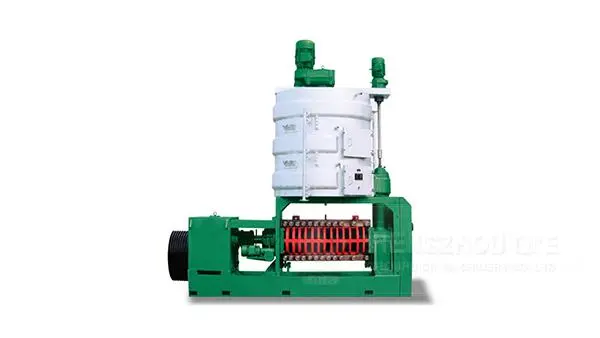
Industrial screw oil presses, such as the 6YL-185 model by Penguin Group, represent a leap forward in achieving low-maintenance operational excellence. By engineering critical components with durability and efficiency in mind, manufacturers address the core cause of equipment downtime: mechanical wear and tear. This article explores how robust structural innovations and disciplined daily maintenance routines work together to minimize production interruptions, extend equipment lifespan, and control maintenance expenses.
At the heart of reducing maintenance costs lies the 6YL-185's design approach focusing on longevity and fault reduction.
“The synergy between wear-resistant components and automated lubrication creates a maintenance paradigm shift, directly impacting profitability.” – Industry Expert
Beyond design, disciplined upkeep is vital for sustaining optimal performance. Maintenance frequency can be grouped into daily, weekly, and monthly tasks to streamline operations.
| Frequency | Key Maintenance Tasks |
|---|---|
| Daily | Clean residues around screw shaft and hopper; inspect lubrication indicators; check for unusual noises. |
| Weekly | Measure bearing temperatures; evaluate oil seal condition; tighten fasteners and belts. |
| Monthly | Replace or refurbish filters; check automatic lubrication system function; inspect screw shaft wear level. |
Identifying and timely replacing consumables prevent unexpected failures:
“Ignoring scheduled parts replacement is a primary factor in unexpected downtime and inflated repair costs.” – Field Technician
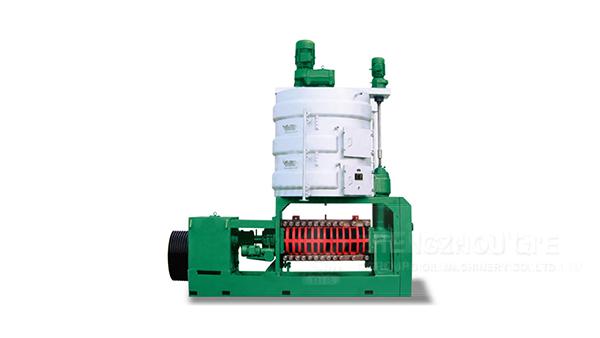
A mid-sized grain processing facility in Eastern Europe reduced unscheduled downtime by over 35% within six months by implementing the 6YL-185 maintenance protocols. Conversely, a factory neglecting routine checks encountered over 15% downtime increase year-over-year, ultimately inflating maintenance expenditure by 22%. These cases underscore how structured care directly correlates to operational resilience.
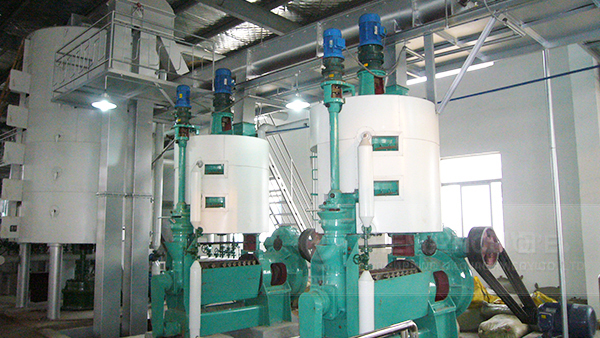
Employing clear visual workflows and checklists aids rapid diagnosis and consistent inspection. Incorporating readily available illustrations of common failure points, along with tools and inspection templates, transitions maintenance from reactive to proactive management.
.jpg)
 209
|
209
|
 sunflower oil refining equipment selection
small medium oil mill equipment procurement
after-sales service evaluation
automated temperature-controlled dewaxing
edible oil refining configuration
477
|
small peanut oil press machine
oil press maintenance tips
peanut oil extraction equipment
industrial oil press maintenance
energy-efficient oil press
194
|
peanut oil expeller
peanut oil quality improvement
hot pressing vs cold pressing
oil extraction process optimization
peanut oil processing equipment
209
|
industrial spiral oil press maintenance
oil press daily upkeep
reducing oil press failure rate
grain and oil equipment care
spiral oil press structure analysis
431
|
hot pressing peanut oil
cold pressing peanut oil
peanut oil processing
oil extraction efficiency
peanut oil quality improvement
sunflower oil refining equipment selection
small medium oil mill equipment procurement
after-sales service evaluation
automated temperature-controlled dewaxing
edible oil refining configuration
477
|
small peanut oil press machine
oil press maintenance tips
peanut oil extraction equipment
industrial oil press maintenance
energy-efficient oil press
194
|
peanut oil expeller
peanut oil quality improvement
hot pressing vs cold pressing
oil extraction process optimization
peanut oil processing equipment
209
|
industrial spiral oil press maintenance
oil press daily upkeep
reducing oil press failure rate
grain and oil equipment care
spiral oil press structure analysis
431
|
hot pressing peanut oil
cold pressing peanut oil
peanut oil processing
oil extraction efficiency
peanut oil quality improvement