In the realm of edible oil production, peanut oil stands out for its rich flavor and nutritional value. However, many oil and grain processing enterprises often face challenges with traditional peanut oil pressing methods, such as low efficiency, high losses, and unstable oil quality. These issues not only increase production costs but also affect the overall competitiveness of the products in the market.
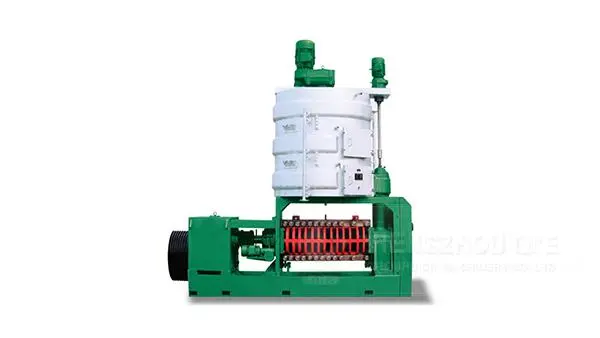
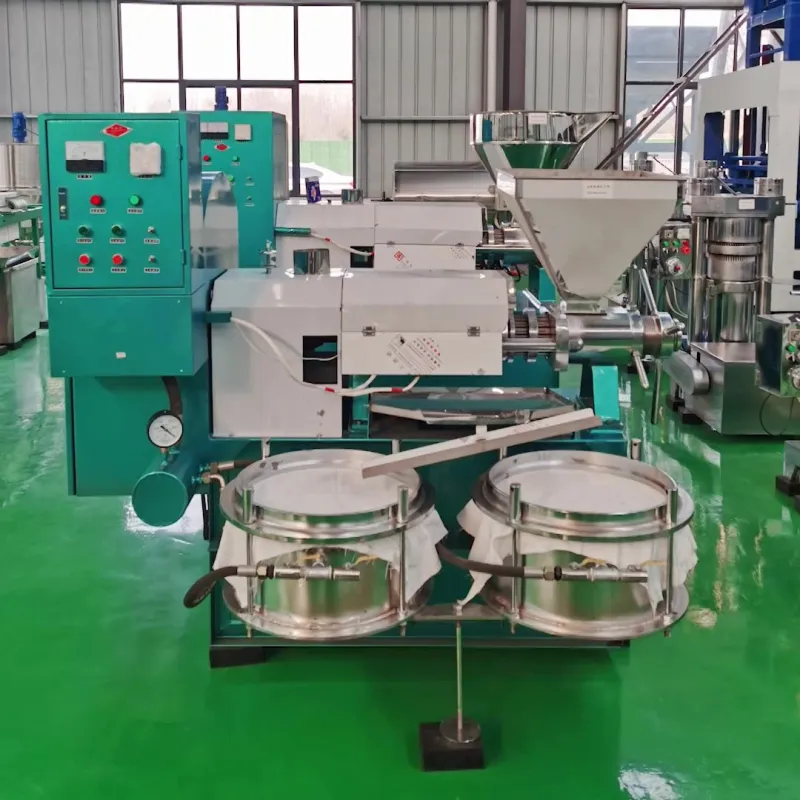
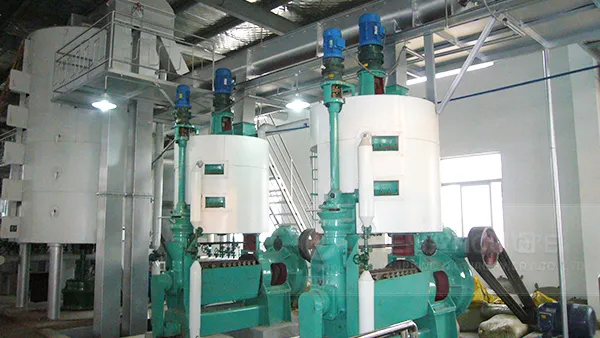
The screw pressing technology is a revolutionary approach in peanut oil extraction. The key to its success lies in the precise design of the screw pitch, the control of the pressure gradient, and the matching of the material flow. For example, a well - designed screw pitch can ensure that the peanuts are gradually compressed, and the pressure gradient is evenly distributed, which is crucial for maximizing the oil extraction efficiency. Research shows that with proper screw design, the oil extraction efficiency can be increased by up to 15% compared to traditional methods.

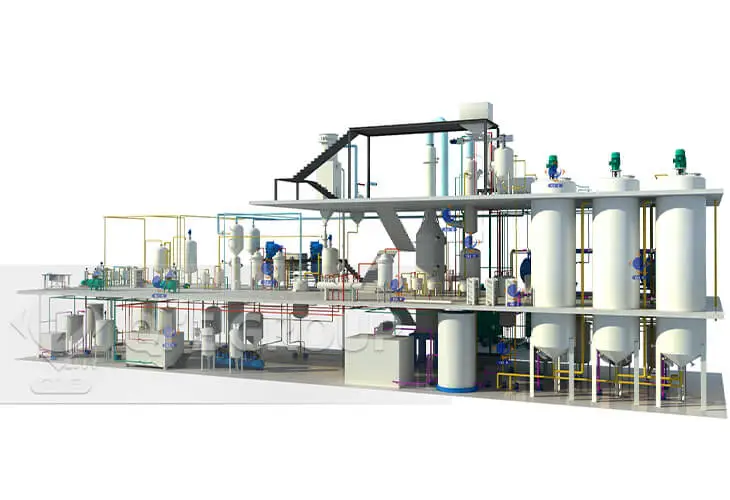
The integrated process of screw pressing, which includes cleaning, crushing, steaming, and pressing, offers significant advantages. By reducing the intermediate links, it minimizes pollution and losses, thereby enhancing the overall oil yield. In a traditional process, the loss of oil in the intermediate links can reach up to 8%. However, with the integrated process, this loss can be reduced to less than 3%, directly increasing the oil yield.
There are two main pressing methods: hot pressing and cold pressing. Hot pressing is usually carried out at a temperature range of 100 - 120°C, which can produce peanut oil with a strong flavor but may lead to some loss of nutrients. Cold pressing, on the other hand, is conducted at a lower temperature (below 60°C), which retains more nutrients but has a relatively milder flavor. The following table shows a detailed comparison:
| Pressing Method | Temperature Range | Flavor | Nutrient Retention | Applicable Scenarios |
|---|---|---|---|---|
| Hot Pressing | 100 - 120°C | Strong | Relatively Low | For general cooking |
| Cold Pressing | Below 60°C | Mild | High | For high - end food products |
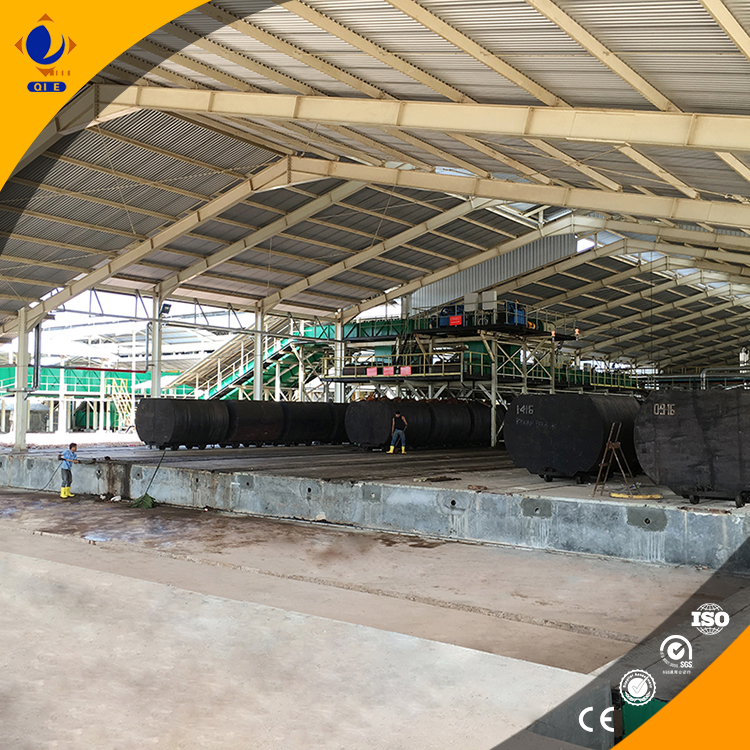
When using screw pressing technology, there are several practical tips to keep in mind. Controlling the moisture content of peanuts is crucial. The optimal moisture content should be around 8 - 10%. If the moisture content is too high, it will affect the oil extraction efficiency and the quality of the oil. Additionally, regular inspection of screw wear and proper adjustment of the rotation speed can also ensure the stable operation of the equipment.
In today's era, green manufacturing is becoming an increasingly important trend. Screw pressing technology can be well - aligned with this trend. By optimizing the process, it can reduce energy consumption and meet environmental protection requirements. For example, some advanced screw pressing equipment has obtained energy - saving certifications, which not only reduces the long - term operating costs but also enhances the enterprise's social image.
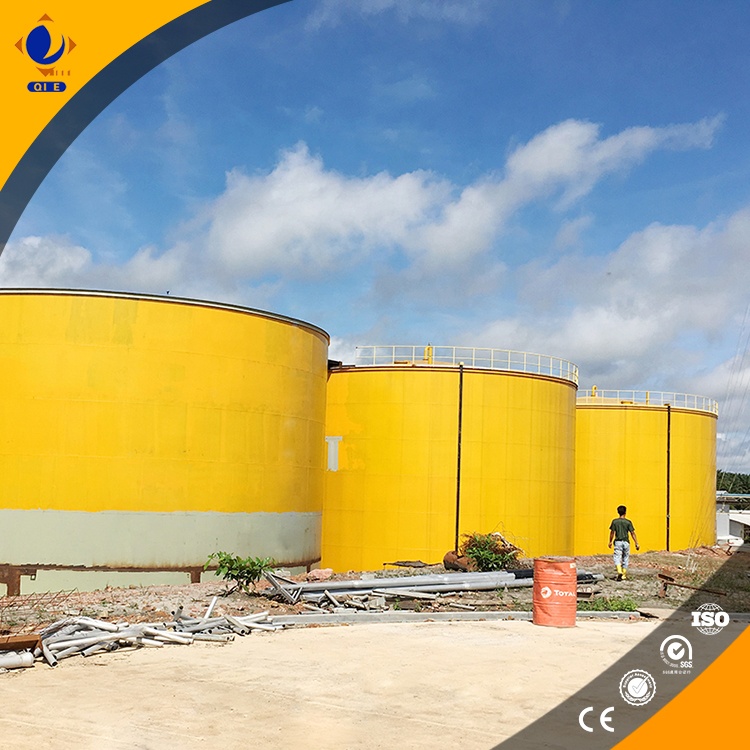
"Screw pressing technology has revolutionized our peanut oil production. We have seen a significant increase in oil yield and a reduction in energy consumption since we adopted this technology." - A satisfied customer
Are you ready to optimize your peanut oil production process? Get the complete process optimization manual and take your peanut oil production to the next level.
 130
|
130
|
 industrial spiral oil press
oil press selection guide
pressing ratio efficiency
ISO9001 certification oil equipment
after-sales technical support
273
|
Screw pressing technology
Peanut oil pressing process
Difference between hot and cold pressing
Small peanut oil press
Grain and oil processing equipment
54
|
peanut oil quality improvement
peanut oil pressing process
hot pressing vs cold pressing
oil extraction efficiency
peanut oil production optimization
483
|
small peanut oil press machine
oil press machine maintenance
spiral pressing technology
cold press vs hot press
peanut oil extraction efficiency
211
|
industrial spiral oil press
high-efficiency oil extraction equipment
small to medium-sized oil processing plant
extraction rate analysis
ISO9001 certification
industrial spiral oil press
oil press selection guide
pressing ratio efficiency
ISO9001 certification oil equipment
after-sales technical support
273
|
Screw pressing technology
Peanut oil pressing process
Difference between hot and cold pressing
Small peanut oil press
Grain and oil processing equipment
54
|
peanut oil quality improvement
peanut oil pressing process
hot pressing vs cold pressing
oil extraction efficiency
peanut oil production optimization
483
|
small peanut oil press machine
oil press machine maintenance
spiral pressing technology
cold press vs hot press
peanut oil extraction efficiency
211
|
industrial spiral oil press
high-efficiency oil extraction equipment
small to medium-sized oil processing plant
extraction rate analysis
ISO9001 certification