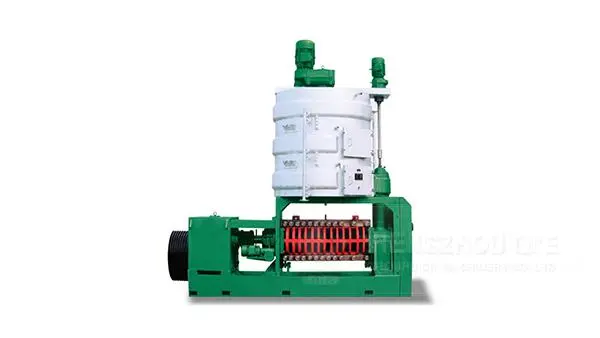
In the competitive global peanut oil market, choosing between hot-pressed and cold-pressed methods isn’t just a technical decision—it’s a strategic one that impacts flavor, nutrition, cost efficiency, and customer satisfaction. Whether you're a small-to-mid-sized processor or a tech lead in an established plant, understanding these differences can directly boost your product’s competitiveness.
| Process Step | Hot-Pressed | Cold-Pressed |
|---|---|---|
| Pre-heating (°C) | 75–90°C | Below 40°C |
| Moisture Control (%) | 6–8% | 3–5% |
| Oil Yield (%) | ≥ 48% | ~42% |
| Free Fatty Acid (FFA) Level | 0.3–0.6% | 0.1–0.3% |
As shown above, hot-pressed oil offers higher yields due to better extraction efficiency from heated kernels—but at the cost of some natural nutrients and aroma compounds. Cold-pressed retains more vitamins E and polyphenols while delivering a cleaner, nuttier taste preferred by health-conscious consumers.
A mid-scale peanut oil producer in Vietnam switched from traditional hot pressing to controlled cold pressing after adopting our precision moisture control system. Within three months:
This case demonstrates how even small adjustments—like maintaining kernel moisture below 5% during pre-crushing—can significantly improve quality without major capital investment.
For processors looking to optimize their process:
These steps aren't just about improving oil quality—they also contribute to energy savings (up to 15% reduction in heating costs) and smoother maintenance cycles, especially important for plants operating under tight margins.
Download our free guide: “Peanut Oil Pressing Process Optimization Manual”, packed with real-world parameters, troubleshooting tips, and compliance checklists tailored for global export standards.
Get the Free Optimization Guide Now 425
|
425
|
 Screw pressing technology
Peanut oil yield improvement
Comparison of hot and cold pressing processes
Small peanut oil press
Energy-saving solutions for grain and oil processing
499
|
small peanut oil press maintenance
peanut oil press machine保养
oil press equipment care
spiral press daily maintenance
small oil mill upkeep
391
|
Small peanut oil press
Grain and oil processing equipment selection guide
Screw pressing technology
Hot and cold pressing processes
Equipment maintenance skills
144
|
small peanut oil press maintenance
peanut oil press fault prevention
oil press machine保养流程
export-grade oil press
cold press vs hot press maintenance
359
|
Peanut oil screw press
Peanut oil pressing process
Difference between hot and cold pressing
Grain and oil processing equipment
Oil yield improvement
Screw pressing technology
Peanut oil yield improvement
Comparison of hot and cold pressing processes
Small peanut oil press
Energy-saving solutions for grain and oil processing
499
|
small peanut oil press maintenance
peanut oil press machine保养
oil press equipment care
spiral press daily maintenance
small oil mill upkeep
391
|
Small peanut oil press
Grain and oil processing equipment selection guide
Screw pressing technology
Hot and cold pressing processes
Equipment maintenance skills
144
|
small peanut oil press maintenance
peanut oil press fault prevention
oil press machine保养流程
export-grade oil press
cold press vs hot press maintenance
359
|
Peanut oil screw press
Peanut oil pressing process
Difference between hot and cold pressing
Grain and oil processing equipment
Oil yield improvement