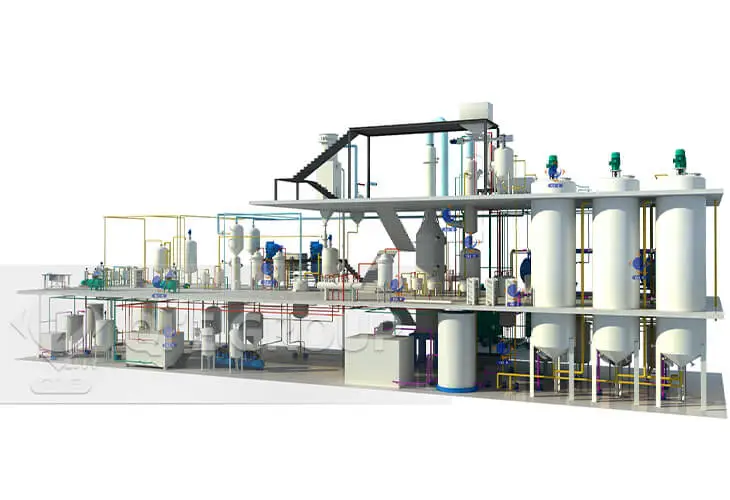
In the competitive world of edible oils, choosing between hot-pressed and cold-pressed peanut oil isn’t just about taste—it’s a strategic decision that impacts product positioning, pricing power, and export success. For B2B manufacturers targeting premium markets like Europe, North America, or the UAE, understanding this difference is critical.
Hot-pressed peanut oil (typically processed at 80–95°C) delivers a rich, aromatic profile ideal for traditional cooking—especially in Asia and Latin America. However, high heat can degrade sensitive nutrients like vitamin E and polyphenols. In contrast, cold-pressed oil (kept below 45°C) preserves up to 85% more natural antioxidants, according to data from the Institute of Food Technologists (IFT).
While hot-pressed remains popular in mass-market segments, cold-pressed is gaining traction among health-conscious consumers in the U.S., Canada, and EU countries. A 2023 report by Euromonitor International shows that functional food-grade oils—including cold-pressed peanut oil—are growing at 7.2% CAGR globally, outpacing conventional options.
Key drivers include:
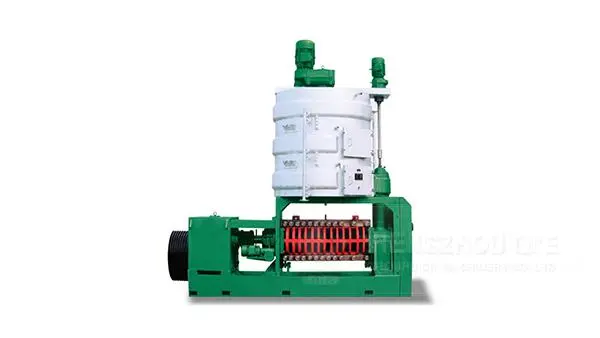
Enterprising producers are now leveraging dual-mode small-scale screw presses—like those offered by QIE Group—that allow both hot and cold pressing within the same machine. This flexibility enables one production line to serve multiple markets:
Real-world tip: To optimize cold-pressed yields, maintain raw material moisture content between 6–8%. Excess water reduces efficiency and increases oxidation risk—a common mistake reported by 40% of new cold-press operators (based on a survey of 120 OEMs in 2024).
Below is a simplified flowchart showing how each method affects final oil quality:
If you’re serious about capturing premium international demand—or simply want to avoid costly mistakes when scaling your peanut oil business—download our free guide: “Peanut Oil Processing Optimization Manual”.
 360
|
360
|
 peanut oil expeller maintenance
small oil processing equipment
oil press machine troubleshooting
energy-efficient oil extraction
equipment lifespan extension
484
|
Peanut oil pressing technology
Hot and cold pressing comparison
Screw press
Grain and oil processing technology
Export peanut oil
134
|
Peanut oil screw press
Screw pressing equipment maintenance
Peanut oil extraction rate optimization
Comparison of hot - pressing and cold - pressing processes
Parameter adjustment of grain and oil processing equipment
410
|
peanut oil processing technology
cold pressing vs hot pressing
peanut oil quality improvement
oil extraction equipment
pressing process optimization
105
|
Cold-pressed peanut oil process
Hot-pressed peanut oil process
Peanut oil pressing technology
Grain and oil processing equipment
Peanut oil quality improvement
peanut oil expeller maintenance
small oil processing equipment
oil press machine troubleshooting
energy-efficient oil extraction
equipment lifespan extension
484
|
Peanut oil pressing technology
Hot and cold pressing comparison
Screw press
Grain and oil processing technology
Export peanut oil
134
|
Peanut oil screw press
Screw pressing equipment maintenance
Peanut oil extraction rate optimization
Comparison of hot - pressing and cold - pressing processes
Parameter adjustment of grain and oil processing equipment
410
|
peanut oil processing technology
cold pressing vs hot pressing
peanut oil quality improvement
oil extraction equipment
pressing process optimization
105
|
Cold-pressed peanut oil process
Hot-pressed peanut oil process
Peanut oil pressing technology
Grain and oil processing equipment
Peanut oil quality improvement