In the realm of peanut oil production, traditional pressing methods have long been the norm. However, these methods are fraught with inefficiencies and limitations. For instance, the traditional hydraulic pressing technique often results in a relatively low oil extraction rate, typically around 40% - 45%. This means a significant amount of oil remains in the peanut residues, leading to wasted resources and higher production costs for manufacturers.
Moreover, traditional processes struggle to maintain consistent oil quality. Contaminants such as dust, husks, and other impurities can easily find their way into the final product, affecting its purity and flavor. These issues have become major pain points for the peanut oil industry, especially for those aiming to enter the high - end export market.
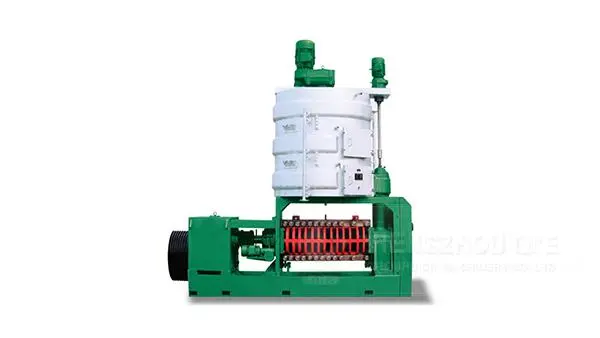
QIE Group peanut oil press for small factories employs advanced spiral pressing technology. This technology is based on a unique screw design that gradually compresses peanuts as they move through the press chamber. The screw's pitch and diameter are precisely engineered to apply the right amount of pressure at each stage of the pressing process.
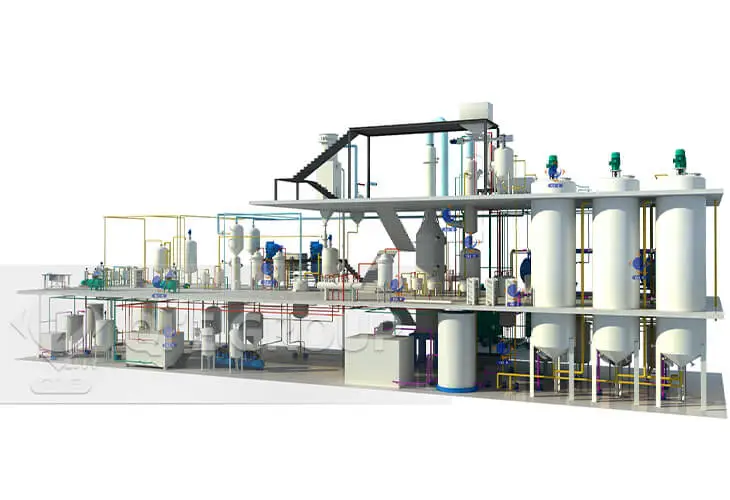
The integrated equipment design of the press includes functions such as cleaning, crushing, steaming, and pressing. This one - stop solution not only streamlines the production process but also significantly improves the oil extraction rate. With this technology, the oil extraction rate can reach up to 50% - 55%, a substantial improvement compared to traditional methods. Additionally, the integrated design ensures better control over the production environment, reducing the risk of contamination and guaranteeing the purity of the oil.
Hot - pressing typically involves heating peanuts to a temperature between 120°C - 180°C before pressing. This high - temperature treatment helps to break down the cell walls of peanuts more effectively, releasing more oil. In contrast, cold - pressing is carried out at temperatures below 60°C, which preserves the natural flavor and nutrients of the peanuts.
Hot - pressed peanut oil has a rich, intense flavor. The high - temperature process caramelizes some of the sugars in the peanuts, giving the oil a nutty, roasted taste that is popular in many traditional cuisines. Cold - pressed peanut oil, on the other hand, has a milder, more delicate flavor that retains the pure taste of fresh peanuts.
Cold - pressing is better at retaining nutrients such as vitamin E, phytosterols, and unsaturated fatty acids. These nutrients are sensitive to heat and can be partially destroyed during the hot - pressing process. For example, vitamin E content in cold - pressed peanut oil can be up to 20% higher than that in hot - pressed oil.
Hot - pressed peanut oil is more suitable for markets where a strong flavor is preferred, such as in some Asian countries. Cold - pressed peanut oil, with its high nutritional value and mild flavor, is more appealing to health - conscious consumers in Western markets, making it a better choice for the high - end export market.
To ensure the optimal performance of the peanut oil press, it is crucial to manage material parameters properly. For example, the moisture content of peanuts should be controlled between 8% - 12% before pressing. In terms of equipment operation, regular maintenance and cleaning are essential to prevent blockages and ensure the smooth running of the machine.
In recent years, the peanut oil industry has been influenced by green manufacturing and energy - saving policies. More and more manufacturers are seeking energy - efficient equipment and production processes. QIE Group press, with its high - efficiency design, is in line with these industry trends. By adopting this advanced technology, peanut oil manufacturers can not only improve their production efficiency and product quality but also meet the requirements of sustainable development.
Interested in learning more about how to optimize your peanut oil production process? Get the process optimization manual now!
 210
|
210
|
 Small peanut oil press operation tutorial
Peanut oil press maintenance skills
Grain and oil processing equipment usage guide
Screw press installation steps
Cold and hot pressing process application
192
|
peanut oil pressing equipment
hot pressing vs cold pressing
peanut oil quality improvement
grain and oil processing technology
small-scale oil press machines
39
|
small peanut oil press machine
oil press machine for small factories
energy-efficient oil press
peanut oil cold pressing
compact oil processing equipment
211
|
industrial spiral oil press
high-efficiency oil extraction equipment
small to medium-sized oil processing plant
extraction rate analysis
ISO9001 certification
427
|
Screw pressing technology
Peanut oil press
Grain and oil processing equipment
Hot and cold pressing processes
Energy-saving pressing technology
Small peanut oil press operation tutorial
Peanut oil press maintenance skills
Grain and oil processing equipment usage guide
Screw press installation steps
Cold and hot pressing process application
192
|
peanut oil pressing equipment
hot pressing vs cold pressing
peanut oil quality improvement
grain and oil processing technology
small-scale oil press machines
39
|
small peanut oil press machine
oil press machine for small factories
energy-efficient oil press
peanut oil cold pressing
compact oil processing equipment
211
|
industrial spiral oil press
high-efficiency oil extraction equipment
small to medium-sized oil processing plant
extraction rate analysis
ISO9001 certification
427
|
Screw pressing technology
Peanut oil press
Grain and oil processing equipment
Hot and cold pressing processes
Energy-saving pressing technology