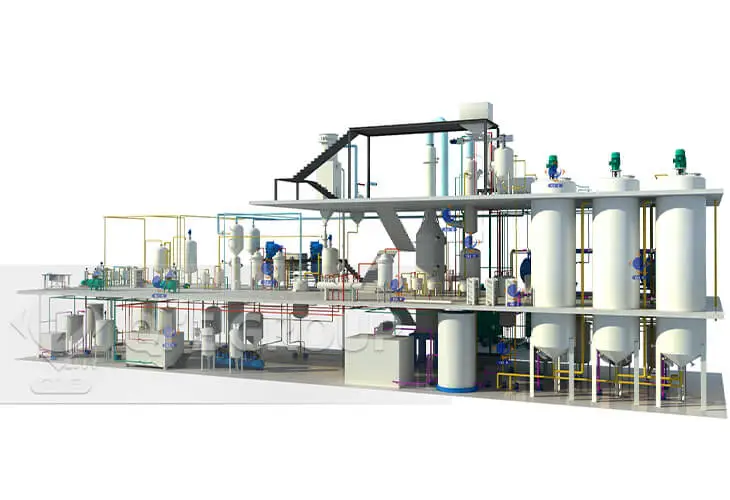
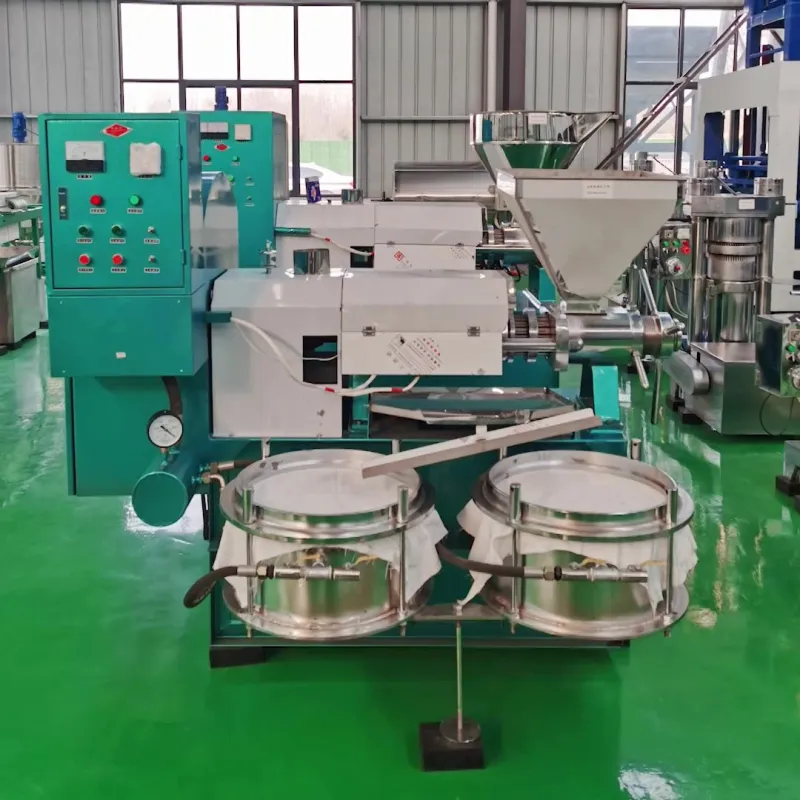
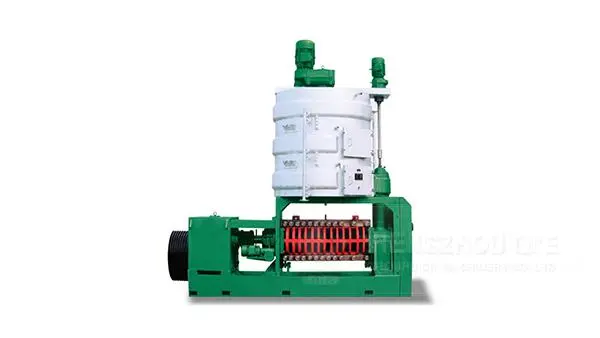
This article delves into the core technology and integrated process flow of the peanut oil screw press designed for small - scale factories by QIE Group. The screw press technology has long been a cornerstone in the grain and oil processing industry, and understanding its intricacies is crucial for enterprises aiming to enhance their production efficiency and product quality.

The integrated design of the screw press equipment plays a pivotal role in improving the oil yield and quality. The process mainly consists of four key steps: cleaning, crushing, cooking, and pressing. In the cleaning stage, impurities are removed, which is essential for ensuring the purity of the final oil product. Crushing breaks the peanuts into smaller pieces, increasing the surface area for subsequent processing. Cooking optimizes the physical properties of the peanuts, and finally, the pressing step extracts the oil.
According to industry data, this integrated process can increase the oil yield by up to 10% compared to traditional methods, and the purity of the oil can reach over 98%. The coordination of these four steps is the key to achieving high - quality oil production.
There are two main types of pressing processes: hot - pressing and cold - pressing. Hot - pressing typically operates at a temperature range of 120 - 180°C. This process can extract more oil from the peanuts, resulting in a higher oil yield. The oil produced by hot - pressing has a rich flavor, which is popular in some markets. On the other hand, cold - pressing is carried out at a lower temperature, usually below 60°C. Cold - pressed oil retains more nutrients and has a lighter flavor, making it suitable for consumers who prefer a more natural and healthy product.
| Process Type | Temperature Range | Flavor | Suitable Market |
|---|---|---|---|
| Hot - pressing | 120 - 180°C | Rich | Markets preferring strong - flavored oil |
| Cold - pressing | Below 60°C | Light | Health - conscious markets |
In line with the trend of energy - saving and green manufacturing, the screw press equipment of QIE Group also has excellent energy - saving performance. The equipment is designed with advanced insulation materials and energy - efficient motors, which can reduce energy consumption by up to 20% compared to traditional models. Moreover, the waste generated during the production process can be recycled and reused, which is in line with the concept of sustainable development.
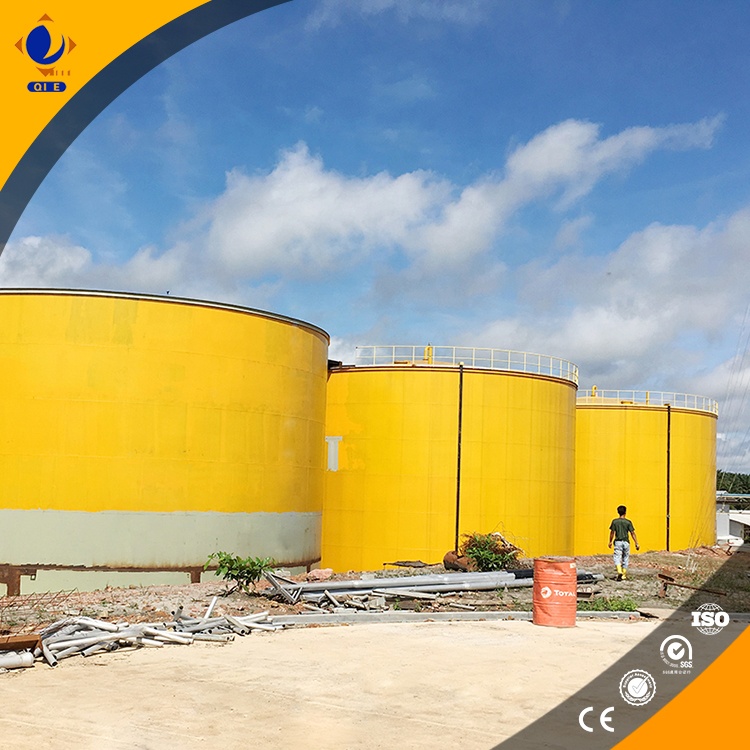
To ensure the long - term stable operation of the equipment, proper maintenance is essential. Regular cleaning of the equipment, inspection of key components, and timely replacement of worn - out parts can extend the service life of the equipment. In addition, adjusting the operating parameters according to different raw materials and production requirements can further optimize the production process.
Q: What is the difference in oil yield between hot - pressing and cold - pressing?
A: Generally, hot - pressing can achieve a higher oil yield, usually about 5 - 10% more than cold - pressing.
Q: How often should the equipment be maintained?
A: It is recommended to conduct a comprehensive maintenance at least once a month, and a major overhaul once a year.
This article, combined with charts and data, provides a detailed comparison of technical parameters and practical operation suggestions. It is a professional guide for technicians and equipment procurement managers in the grain and oil processing industry. If you want to learn more about the details of the equipment or obtain a process optimization manual, please click here.
 169
|
169
|
 Screw pressing technology
Peanut oil yield
Difference between cold and hot pressing
Grain and oil processing equipment
Pressing process optimization
131
|
industrial spiral oil press
oil press selection guide
pressing ratio efficiency
ISO9001 certification oil equipment
after-sales technical support
192
|
peanut oil pressing equipment
hot pressing vs cold pressing
peanut oil quality improvement
grain and oil processing technology
small-scale oil press machines
347
|
cold pressed peanut oil
hot pressed peanut oil
peanut oil processing methods
premium peanut oil export
functional oil production
134
|
Peanut oil screw press
Screw pressing equipment maintenance
Peanut oil extraction rate optimization
Comparison of hot - pressing and cold - pressing processes
Parameter adjustment of grain and oil processing equipment
Screw pressing technology
Peanut oil yield
Difference between cold and hot pressing
Grain and oil processing equipment
Pressing process optimization
131
|
industrial spiral oil press
oil press selection guide
pressing ratio efficiency
ISO9001 certification oil equipment
after-sales technical support
192
|
peanut oil pressing equipment
hot pressing vs cold pressing
peanut oil quality improvement
grain and oil processing technology
small-scale oil press machines
347
|
cold pressed peanut oil
hot pressed peanut oil
peanut oil processing methods
premium peanut oil export
functional oil production
134
|
Peanut oil screw press
Screw pressing equipment maintenance
Peanut oil extraction rate optimization
Comparison of hot - pressing and cold - pressing processes
Parameter adjustment of grain and oil processing equipment