In the dynamic landscape of the grain and oil processing industry, the efficiency and quality of equipment play a pivotal role in a company's success. The peanut oil screw press machine launched by Penguin Group, specifically designed for small factories, is a remarkable innovation that deserves in - depth exploration. This article aims to provide a comprehensive guide for technical personnel and equipment procurement managers in grain and oil processing enterprises, delving into the core technology, process flow, and maintenance of this advanced equipment.
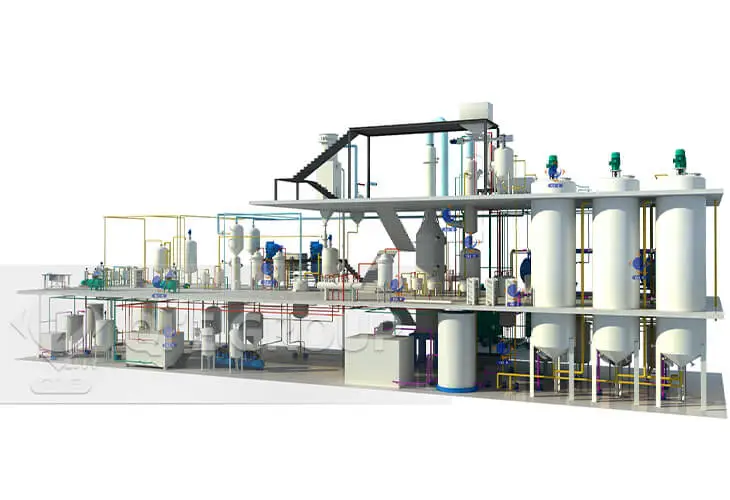
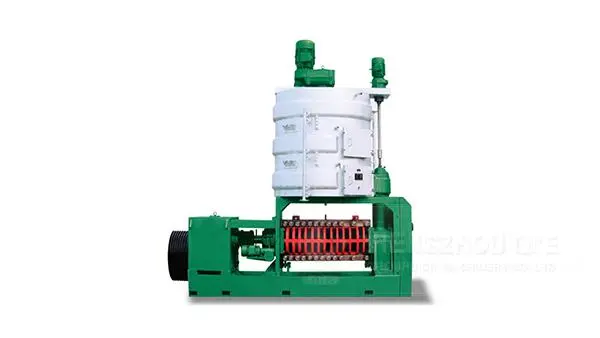
The peanut oil screw press machine features an integrated design that combines cleaning, crushing, steaming, and pressing processes. This all - in - one approach significantly streamlines the production process and brings multiple benefits.
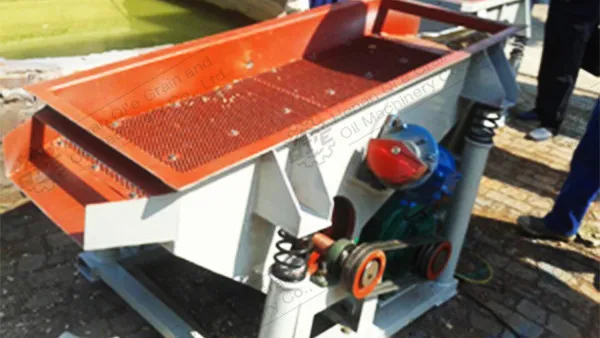
In the cleaning stage, the machine is equipped with advanced screening and separation devices. It can effectively remove impurities such as stones, dust, and shells from peanuts. According to industry data, the impurity removal rate can reach up to 98%, which is crucial for ensuring the purity of the final oil product. The crushing process breaks the peanuts into smaller particles, increasing the surface area for subsequent processing. The steaming step softens the peanuts, making the oil more easily released during the pressing process. This integrated design can increase the oil yield by about 10% compared to traditional non - integrated equipment, and at the same time, it helps maintain the high purity of the oil, with a purity level of up to 99%.
Hot pressing involves heating the peanuts to a relatively high temperature (usually around 120 - 130°C) before pressing. This high - temperature treatment can break down the cell walls of peanuts more effectively, resulting in a higher oil yield. In contrast, cold pressing keeps the temperature below 60°C, which helps preserve the natural nutrients and flavors of the peanuts.
Hot - pressed peanut oil has a rich and intense flavor, which is popular in some traditional cuisines. However, the high - temperature process may destroy some heat - sensitive nutrients such as vitamin E and unsaturated fatty acids. Cold - pressed peanut oil, on the other hand, retains more nutrients, offering a milder and more natural flavor. It is often preferred by health - conscious consumers.
Hot - pressed peanut oil is widely used in large - scale catering and food processing industries due to its high oil yield and strong flavor. Cold - pressed peanut oil is more suitable for high - end food products, health supplements, and consumers who value natural and healthy food options.
Regular cleaning and maintenance are essential for ensuring the long - term stable operation of the screw press machine. After each production cycle, the residual peanuts and oil in the machine should be cleaned thoroughly. The cleaning frequency should be at least once a day for continuous production. For the internal components, such as the screw shaft and pressing chamber, they should be inspected and cleaned every week to prevent blockages and corrosion.
Common faults of the machine include abnormal noise, low oil yield, and uneven pressing. These problems can often be caused by factors such as wear and tear of components, improper adjustment of parameters, or blockages. By regularly checking the equipment and replacing worn - out parts in time, most of these problems can be avoided. For example, if the screw shaft has a wear rate of more than 10%, it should be replaced immediately.
The screw pitch and rotation speed are two key parameters that can be adjusted according to different raw materials. For peanuts with a higher moisture content, a larger screw pitch and a lower rotation speed can be used to ensure a more thorough pressing process. Conversely, for dry peanuts, a smaller screw pitch and a higher rotation speed may be more appropriate. By fine - tuning these parameters, the oil yield can be further optimized, and the energy consumption can be reduced.
In recent years, the grain and oil processing industry has been moving towards green manufacturing. The peanut oil screw press machine from Penguin Group is in line with this trend. Its integrated design reduces energy consumption and waste generation. By optimizing the production process, it helps enterprises meet the requirements of environmental protection and sustainable development. For example, the energy consumption of this machine is about 15% lower than that of traditional equipment.
In conclusion, the peanut oil screw press machine is a powerful tool for grain and oil processing enterprises. By understanding its core technology, process flow, and maintenance methods, technical personnel can better operate and maintain the equipment, while procurement managers can make more informed purchasing decisions. To learn more about the detailed information of the equipment and obtain the process optimization manual, please click here.
 130
|
130
|
 industrial spiral oil press
oil press selection guide
pressing ratio efficiency
ISO9001 certification oil equipment
after-sales technical support
210
|
peanut oil pressing
spiral pressing technology
cooking temperature control
cold pressing techniques
grain oil processing equipment
443
|
screw press equipment
peanut oil processing
hot press vs cold press
oil mill optimization
screw press selection
427
|
Screw pressing technology
Peanut oil press
Grain and oil processing equipment
Hot and cold pressing processes
Energy-saving pressing technology
105
|
Cold-pressed peanut oil process
Hot-pressed peanut oil process
Peanut oil pressing technology
Grain and oil processing equipment
Peanut oil quality improvement
industrial spiral oil press
oil press selection guide
pressing ratio efficiency
ISO9001 certification oil equipment
after-sales technical support
210
|
peanut oil pressing
spiral pressing technology
cooking temperature control
cold pressing techniques
grain oil processing equipment
443
|
screw press equipment
peanut oil processing
hot press vs cold press
oil mill optimization
screw press selection
427
|
Screw pressing technology
Peanut oil press
Grain and oil processing equipment
Hot and cold pressing processes
Energy-saving pressing technology
105
|
Cold-pressed peanut oil process
Hot-pressed peanut oil process
Peanut oil pressing technology
Grain and oil processing equipment
Peanut oil quality improvement