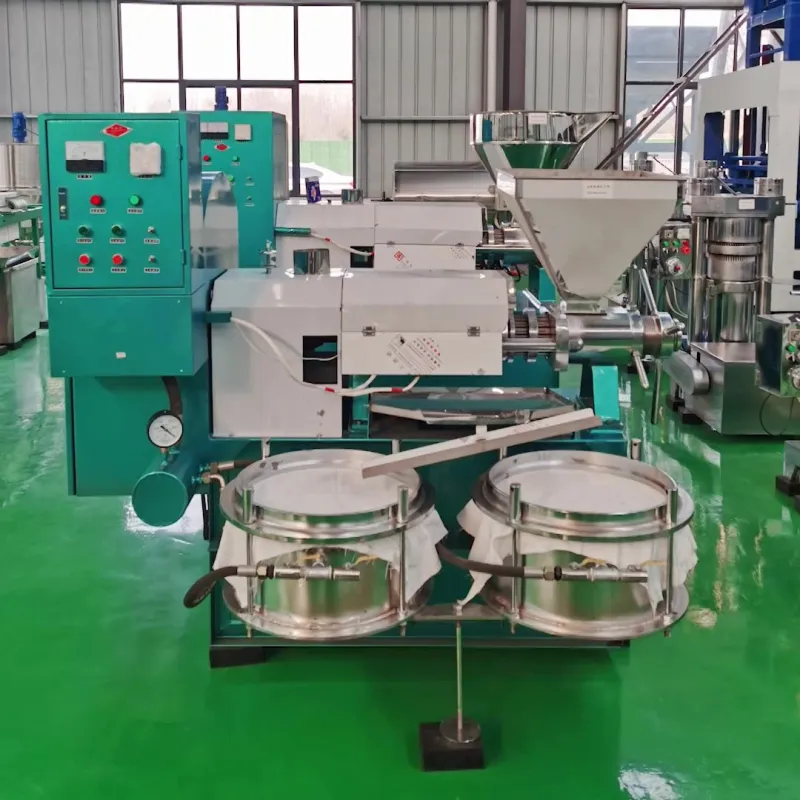
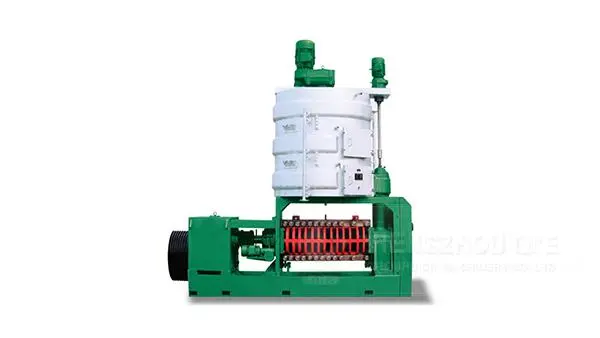
For small and medium-sized grain and oil processing enterprises, choosing the right peanut oil press is crucial for efficient production and long-term profitability. This guide delves into the entire purchase process, focusing on evaluating the compact design and energy-saving performance of small peanut oil presses.
Space is often a limiting factor for small factories. A compact peanut oil press can significantly save on factory space. For example, compared to traditional large - scale presses, a well - designed compact press can reduce the floor space by up to 30%. This not only saves on the construction or rental cost of the factory but also simplifies the equipment layout within the factory.
The installation of a compact press is also more cost - effective. With fewer components and a more integrated design, the installation time can be reduced from several days to just one or two days, which means lower installation labor costs. In addition, it can be easily integrated into existing production lines with minimal modifications.
Energy consumption is a major operating cost for peanut oil processing. Understanding the energy - saving technology behind peanut oil presses is essential. One of the key factors is the motor efficiency. High - efficiency motors can reduce power consumption by up to 20% compared to standard motors. These motors are designed to convert a higher percentage of electrical energy into mechanical energy, minimizing energy loss in the form of heat.
Another important energy - saving technique is heat energy recovery. In the pressing process, a significant amount of heat is generated. Advanced peanut oil presses are equipped with heat recovery systems that can reuse this heat for other processes, such as pre - heating the peanuts before pressing. This can save up to 15% of the energy required for the overall production process.
Unstable operation can lead to frequent production interruptions, resulting in significant losses for small and medium - sized enterprises. A high - quality peanut oil press should have excellent running stability. For example, it should be able to maintain a consistent pressure and output during continuous operation. Some presses are designed with advanced control systems that can automatically adjust the parameters to ensure stable operation.
Good maintainability is also crucial. A press that is easy to disassemble and clean can reduce the maintenance time and cost. Regular maintenance can prevent common failures, such as blockages and leaks. It is recommended to perform a basic maintenance check every two weeks and a comprehensive maintenance every three months.
Let's look at two different small peanut oil processing factories. Factory A uses an old - fashioned press with a large size and high energy consumption. They often face space constraints and high electricity bills. In contrast, Factory B uses a compact and energy - saving press. They have more flexible factory layout, lower energy costs, and fewer production interruptions. Over a year, Factory B can save up to 25% on energy costs and improve production efficiency by 20% compared to Factory A.
As mentioned earlier, regular maintenance is the key to preventing common faults. Clean the filter screens and pipes regularly to prevent blockages. Check the seals and gaskets for leaks every month. Lubricate the moving parts as recommended by the manufacturer to reduce wear and tear.
By following these maintenance tips, you can extend the service life of your peanut oil press and ensure continuous and efficient production.
Are you ready to make a smart investment in your peanut oil processing business? Click to get the《Small Peanut Oil Press Selection Comparison Table》PDF now
 210
|
210
|
 Small peanut oil press operation tutorial
Peanut oil press maintenance skills
Grain and oil processing equipment usage guide
Screw press installation steps
Cold and hot pressing process application
91
|
Screw pressing technology
Peanut oil pressing process
Difference between cold and hot pressing
Grain and oil processing equipment
Energy - saving press
210
|
peanut oil pressing
spiral pressing technology
cooking temperature control
cold pressing techniques
grain oil processing equipment
443
|
screw press equipment
peanut oil processing
hot press vs cold press
oil mill optimization
screw press selection
427
|
Screw pressing technology
Peanut oil press
Grain and oil processing equipment
Hot and cold pressing processes
Energy-saving pressing technology
Small peanut oil press operation tutorial
Peanut oil press maintenance skills
Grain and oil processing equipment usage guide
Screw press installation steps
Cold and hot pressing process application
91
|
Screw pressing technology
Peanut oil pressing process
Difference between cold and hot pressing
Grain and oil processing equipment
Energy - saving press
210
|
peanut oil pressing
spiral pressing technology
cooking temperature control
cold pressing techniques
grain oil processing equipment
443
|
screw press equipment
peanut oil processing
hot press vs cold press
oil mill optimization
screw press selection
427
|
Screw pressing technology
Peanut oil press
Grain and oil processing equipment
Hot and cold pressing processes
Energy-saving pressing technology