In the current grain and oil processing industry, many enterprises are facing a series of challenges. Low oil yield is a common problem. For example, some traditional oil - pressing methods may only achieve an oil yield of about 30% - 35%, which means a large amount of oil is wasted in the raw materials. High energy consumption is another headache. The old - fashioned pressing equipment consumes a lot of electricity, increasing production costs. Moreover, the quality of the oil products is often unstable, with issues such as inconsistent flavor and impurity content, which can affect the market competitiveness of enterprises.
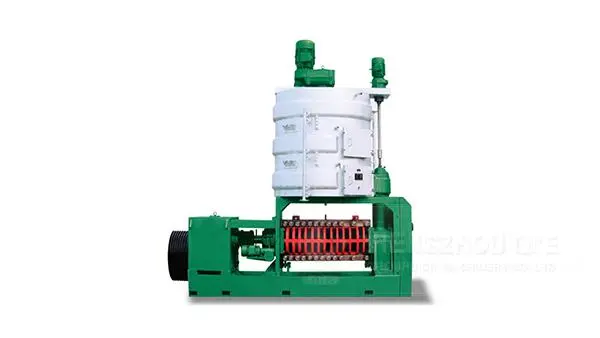
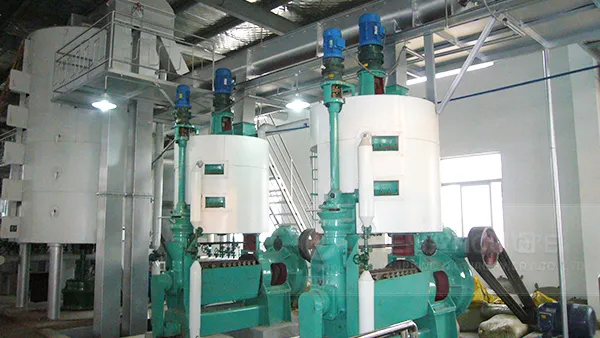
Screw pressing technology is a revolutionary method in peanut oil production. Its working principle is based on the continuous rotation of the screw shaft, which squeezes the peanuts gradually. This technology has unique advantages in peanut oil production. Firstly, it can significantly improve the oil yield. By optimizing the design of the screw and the pressing chamber, the oil yield can reach about 40% - 45%, which is a great improvement compared with traditional methods. Secondly, it can ensure the purity of the oil. The special structure of the screw press can effectively separate the oil from the residue, reducing the impurity content in the oil.
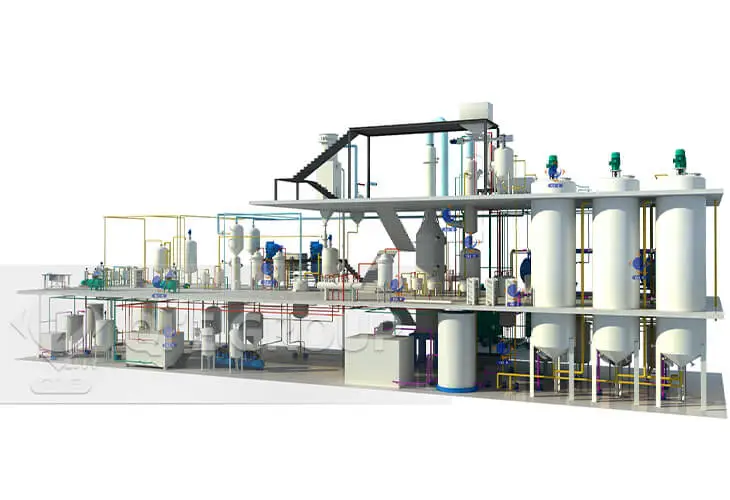
The integrated process flow of screw pressing technology includes cleaning, crushing, steaming, and pressing. Cleaning can remove impurities in peanuts, reducing the wear and tear of equipment and the pollution of the oil. Crushing breaks the peanuts into small pieces, increasing the contact area between the oil and the pressing equipment. Steaming can adjust the physical properties of peanuts, making it easier to extract oil. Finally, pressing squeezes out the oil. This integrated process can effectively reduce the loss of oil during the production process and minimize environmental pollution.
Hot - pressing usually operates at a temperature range of 100 - 120°C. It can produce peanut oil with a strong and rich flavor, but it may cause some loss of nutrients. Cold - pressing, on the other hand, is carried out at a lower temperature, generally below 60°C. It can better retain the nutrients in peanuts, but the flavor of the oil is relatively mild. Different scenarios require different pressing methods. For example, in the production of high - end health - oriented peanut oil, cold - pressing may be more suitable, while for the production of oil used in cooking with strong flavor requirements, hot - pressing is a better choice.
In actual operation, controlling the moisture content of materials is crucial. The moisture content of peanuts should be controlled at about 8% - 12% to ensure the best pressing effect. Adjusting the screw pitch can also affect the pressing process. A reasonable screw pitch can improve the pressing efficiency and oil yield. For example, in the initial stage of pressing, a larger screw pitch can be used to quickly squeeze out the oil, and in the later stage, a smaller screw pitch can be used to further improve the oil yield.
According to some authoritative data, enterprises using screw pressing technology can reduce energy consumption by about 20% - 30% compared with traditional methods. For example, a medium - sized peanut oil factory in Shandong Province, after upgrading to screw pressing technology, increased the oil yield from 32% to 42% and reduced the energy consumption per ton of oil production from 500 kWh to 350 kWh. These data and cases clearly show the significant benefits of screw pressing technology.
With the national emphasis on green manufacturing, screw pressing technology is in line with this trend. It can help enterprises reduce energy consumption, reduce environmental pollution, and improve product quality. For small and medium - sized oil mills, upgrading to screw pressing technology is an important step towards high - quality development.
Get a free process optimization manual to learn more about how screw pressing technology can transform your business. Click here to get your free manual
 145
|
145
|
 Peanut oil cold pressing process
Peanut oil hot pressing process
Screw pressing technology
Peanut oil pressing equipment
Grain and oil processing technology optimization
210
|
Small peanut oil press operation tutorial
Peanut oil press maintenance skills
Grain and oil processing equipment usage guide
Screw press installation steps
Cold and hot pressing process application
169
|
Screw pressing technology
Peanut oil yield
Difference between cold and hot pressing
Grain and oil processing equipment
Pressing process optimization
130
|
industrial spiral oil press
oil press selection guide
pressing ratio efficiency
ISO9001 certification oil equipment
after-sales technical support
54
|
peanut oil quality improvement
peanut oil pressing process
hot pressing vs cold pressing
oil extraction efficiency
peanut oil production optimization
Peanut oil cold pressing process
Peanut oil hot pressing process
Screw pressing technology
Peanut oil pressing equipment
Grain and oil processing technology optimization
210
|
Small peanut oil press operation tutorial
Peanut oil press maintenance skills
Grain and oil processing equipment usage guide
Screw press installation steps
Cold and hot pressing process application
169
|
Screw pressing technology
Peanut oil yield
Difference between cold and hot pressing
Grain and oil processing equipment
Pressing process optimization
130
|
industrial spiral oil press
oil press selection guide
pressing ratio efficiency
ISO9001 certification oil equipment
after-sales technical support
54
|
peanut oil quality improvement
peanut oil pressing process
hot pressing vs cold pressing
oil extraction efficiency
peanut oil production optimization