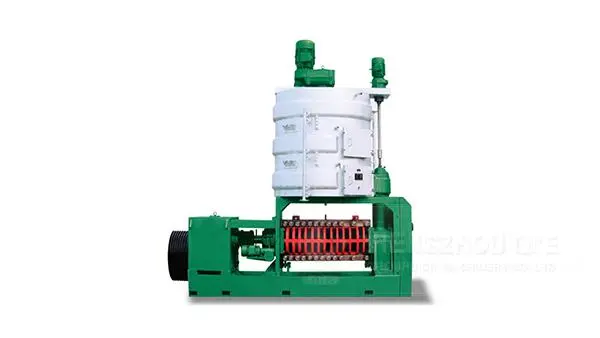
Are you struggling with low oil yield or weak aroma in your peanut oil? You're not alone. Many small-to-midsize oil processors worldwide report inconsistent quality and suboptimal extraction rates—often due to outdated equipment or improper process control.
From raw material handling to final pressing, every step impacts the final product. For instance:
| Process | Acid Value (mg KOH/g) | Color (Lovibond) | Aroma Retention |
|---|---|---|---|
| Cold Pressed | 0.8–1.2 | Yellower (10R/3Y) | High |
| Hot Pressed | 1.5–2.5 | Deeper Golden (15R/5Y) | Moderate |
“After switching to the QIE Group’s dual-process machine, our outturn rose from 38% to 46%. The difference wasn’t just in yield—it was in how customers responded to the richer taste.”
— Maria Lopez, Operations Manager, AgroFresh Oils, Ecuador
Here are three actionable steps based on real-world results:
These aren't just tips—they’re proven strategies used by exporters in Nigeria, Vietnam, and Brazil who now meet EU and GCC standards consistently.
 210
|
210
|
 Small peanut oil press operation tutorial
Peanut oil press maintenance skills
Grain and oil processing equipment usage guide
Screw press installation steps
Cold and hot pressing process application
211
|
industrial spiral oil press
high-efficiency oil extraction equipment
small to medium-sized oil processing plant
extraction rate analysis
ISO9001 certification
391
|
Small peanut oil press
Grain and oil processing equipment selection guide
Screw pressing technology
Hot and cold pressing processes
Equipment maintenance skills
106
|
Cold-pressed peanut oil process
Hot-pressed peanut oil process
Peanut oil pressing technology
Grain and oil processing equipment
Peanut oil quality improvement
359
|
Peanut oil screw press
Peanut oil pressing process
Difference between hot and cold pressing
Grain and oil processing equipment
Oil yield improvement
Small peanut oil press operation tutorial
Peanut oil press maintenance skills
Grain and oil processing equipment usage guide
Screw press installation steps
Cold and hot pressing process application
211
|
industrial spiral oil press
high-efficiency oil extraction equipment
small to medium-sized oil processing plant
extraction rate analysis
ISO9001 certification
391
|
Small peanut oil press
Grain and oil processing equipment selection guide
Screw pressing technology
Hot and cold pressing processes
Equipment maintenance skills
106
|
Cold-pressed peanut oil process
Hot-pressed peanut oil process
Peanut oil pressing technology
Grain and oil processing equipment
Peanut oil quality improvement
359
|
Peanut oil screw press
Peanut oil pressing process
Difference between hot and cold pressing
Grain and oil processing equipment
Oil yield improvement