In the global market of peanut oil production, especially for export - oriented peanut oil factories, energy conservation, cost reduction, and quality improvement are crucial issues. Traditional pressing methods have long - standing limitations that significantly affect energy consumption and product quality.
Traditional peanut oil pressing methods, such as hydraulic pressing, often involve multiple separate steps. For example, the cleaning, crushing, and pressing processes are carried out independently. This not only increases the production time but also leads to higher energy consumption. Statistics show that traditional methods can consume up to 30% more energy compared to modern screw pressing technology. In terms of quality, the multi - step process increases the risk of contamination, resulting in a lower purity of the final peanut oil product.
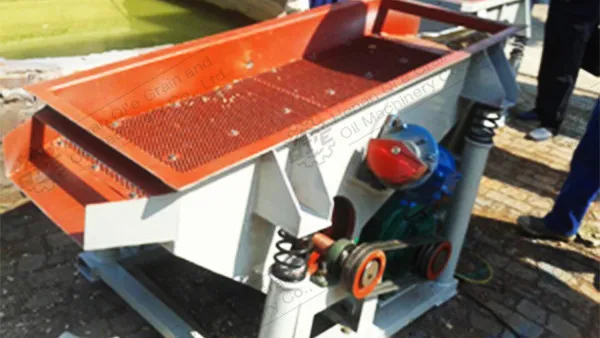
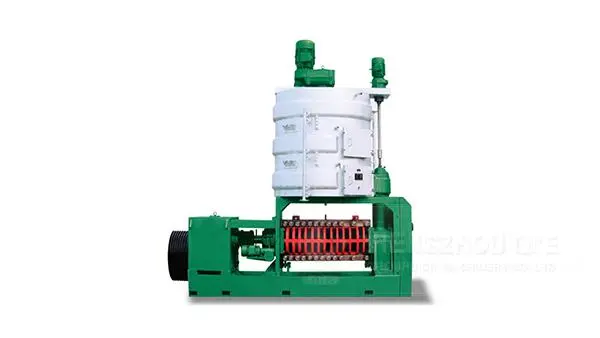
The screw pressing machine offers an integrated process that combines cleaning, crushing, steaming, and pressing. First, the cleaning step removes impurities from peanuts, ensuring the raw material's cleanliness. Then, the crushing process breaks the peanuts into smaller pieces, increasing the surface area for subsequent processing. The steaming step softens the peanuts, making it easier to extract oil. Finally, the pressing process extracts the oil from the peanuts. This integrated process can significantly improve the oil extraction rate. On average, the oil extraction rate of screw pressing machines can reach 45% - 50%, while traditional methods usually only achieve 35% - 40%.
There are two main types of pressing processes in peanut oil production: hot - pressing and cold - pressing. Hot - pressing is carried out at a temperature range of 120 - 180°C. It can produce peanut oil with a strong and rich flavor, which is very popular in markets where consumers prefer a more intense taste, such as in some Asian countries. Cold - pressing, on the other hand, is conducted at a temperature below 60°C. This process can better preserve the nutrients in peanuts, such as vitamins and antioxidants, and is more suitable for health - conscious markets in Europe and North America.
Based on practical cases, optimizing parameters such as screw pitch, rotation speed, and moisture control can effectively improve the oil extraction rate. For example, adjusting the screw pitch can change the pressure distribution during the pressing process. A smaller screw pitch can increase the pressure, thus improving the oil extraction efficiency. Controlling the rotation speed of the screw can also ensure a stable and efficient pressing process. In addition, proper moisture control of peanuts before pressing can also enhance the oil extraction rate. Generally, the moisture content of peanuts should be controlled at about 8% - 12%.
In today's context of increasing environmental awareness, green manufacturing and energy - saving certification have become important trends in the peanut oil production industry. Screw pressing technology is in line with these trends. By reducing energy consumption and waste, it helps peanut oil factories meet the requirements of energy - saving certification. This not only enhances the factory's environmental image but also meets the growing demand of international markets for sustainable products.
In the operation of screw pressing machines, there are some practical tips. For example, establishing a maintenance warning mechanism can help detect potential problems in advance, reducing downtime. When dealing with common problems such as blockages, specific troubleshooting steps can be followed. Moreover, proper process debugging can ensure the best performance of the machine.
According to a customer feedback, a small peanut oil factory in South America improved its production efficiency by 25% and reduced energy consumption by 20% after adopting screw pressing technology.
 131
|
131
|
 spiral pressing technology
peanut oil yield optimization
cold press vs hot press
small scale oil extraction
peanut oil quality improvement
246
|
screw press maintenance
peanut oil extraction optimization
cold press vs hot press
energy-efficient oil pressing
screw press parameter tuning
309
|
industrial spiral oil press transportation
6YL-185 spiral hydraulic oil press installation
cross-border oil press deployment
spiral oil press on-site commissioning
oil press installation best practices
192
|
Peanut oil press
Screw pressing technology
Grain and oil processing equipment
Hot and cold pressing processes
Oil yield improvement
484
|
Peanut oil pressing technology
Hot and cold pressing comparison
Screw press
Grain and oil processing technology
Export peanut oil
spiral pressing technology
peanut oil yield optimization
cold press vs hot press
small scale oil extraction
peanut oil quality improvement
246
|
screw press maintenance
peanut oil extraction optimization
cold press vs hot press
energy-efficient oil pressing
screw press parameter tuning
309
|
industrial spiral oil press transportation
6YL-185 spiral hydraulic oil press installation
cross-border oil press deployment
spiral oil press on-site commissioning
oil press installation best practices
192
|
Peanut oil press
Screw pressing technology
Grain and oil processing equipment
Hot and cold pressing processes
Oil yield improvement
484
|
Peanut oil pressing technology
Hot and cold pressing comparison
Screw press
Grain and oil processing technology
Export peanut oil