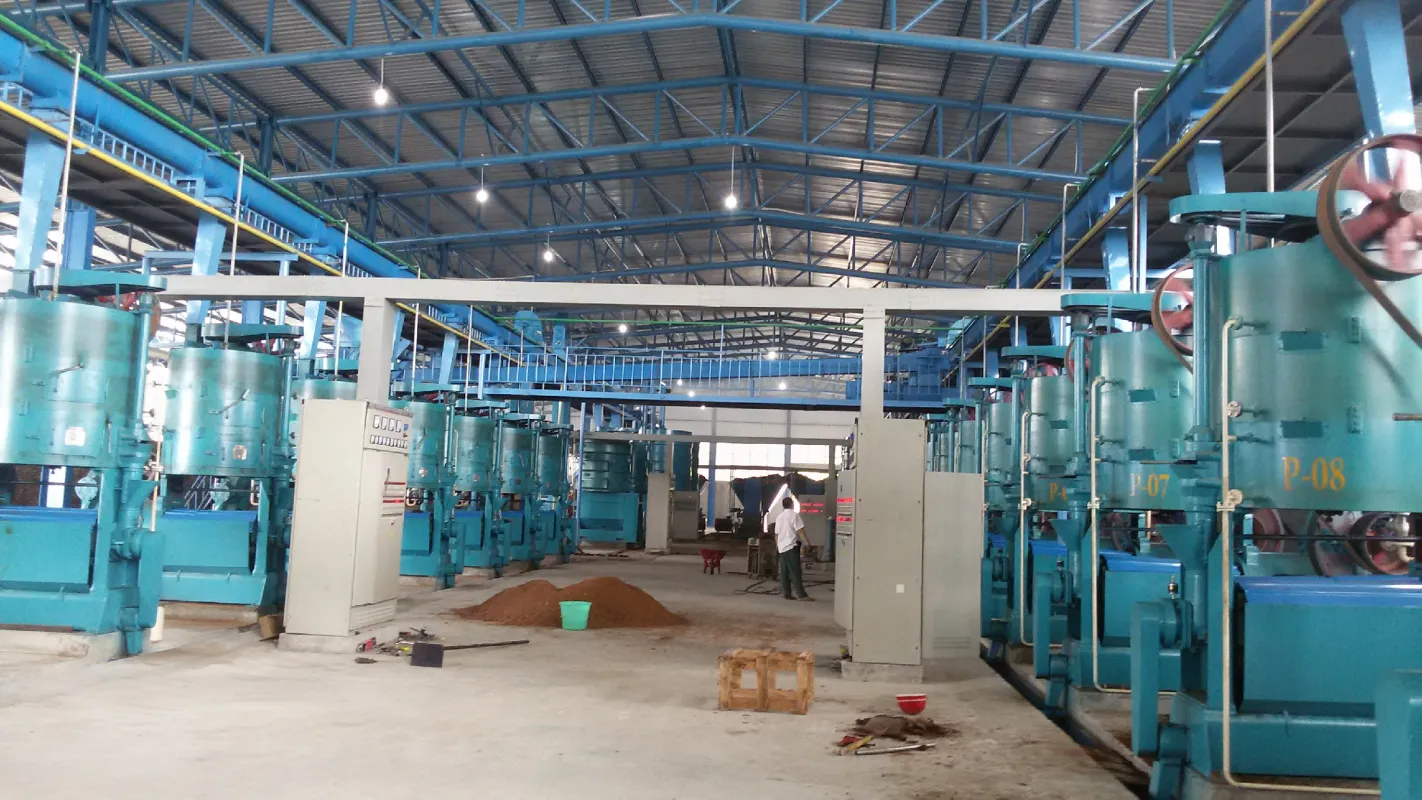
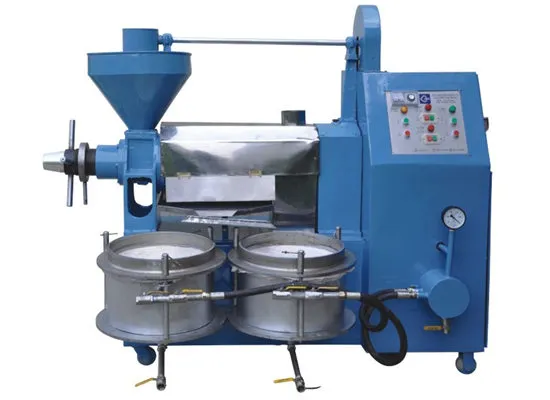
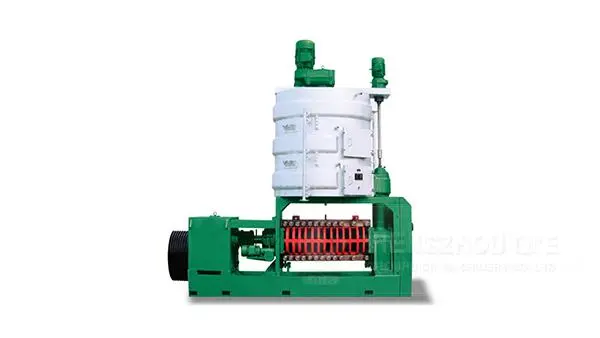
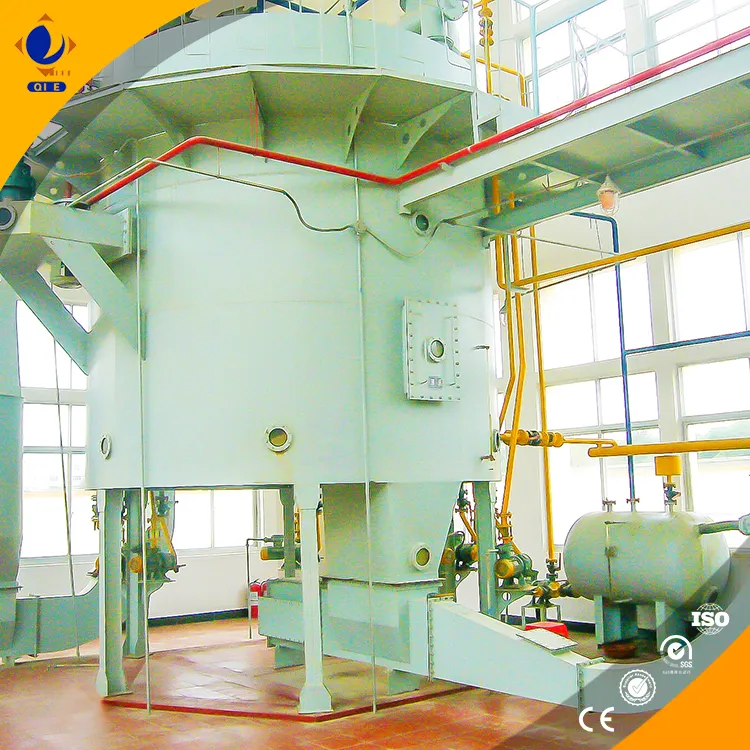
In the competitive oilseed industry, improving oil extraction efficiency is vital for maximizing raw material utilization and ensuring economic viability. Penguin Group’s innovative multifunctional oilseed processing machines stand at the forefront of technological advancement, integrating advanced mechanical design and optimized process controls to enhance every stage—preprocessing, pressing, and oil extraction. This article provides an in-depth technical analysis of these machines' core capabilities and presents actionable strategies to significantly boost oilseed oil yields.
The mechanical architecture of multifunctional oilseed processors is engineered to minimize seed damage while maximizing throughput. Key design innovations include precision-adjustable pressing chambers, modular pre-cleaning and conditioning units, and integrated temperature control systems. These features collectively enable:
For oilseed varieties like soybean, sunflower, and rapeseed, this design versatility ensures adaptation to specific seed characteristics, enabling an average oil yield increase ranging from 3% to 7% compared to traditional single-function equipment.
Preprocessing significantly impacts final oil yield. Penguin Group's machines incorporate advanced seed cleaning, conditioning, and innovative enzymatic and microwave-assisted pretreatment methods. Enzymatic degumming, for instance, effectively removes phospholipids, increasing oil clarity and yield by an estimated 2%-4% over mechanical means alone.
Additionally, microwave-assisted extraction promotes cell wall rupture at a microscopic level, improving oil liberation without increasing energy consumption significantly. Precise control of moisture content (target 6-8% for most oilseeds) before pressing is maintained via integrated drying and humidification modules, reducing kernel brittleness that leads to fine particle loss.
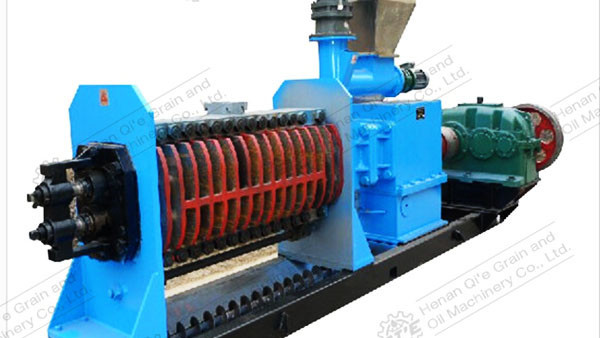
Pressing parameters such as temperature, screw speed, and pressure must be meticulously optimized. In practice, maintaining a pressing temperature between 90°C and 105°C improves oil fluidity without degrading quality. Likewise, adjustable screw speeds (12-20 rpm) enable operators to balance throughput with extraction efficiency, adapting to seed type and condition.
Process control algorithms embedded in the equipment monitor torque, pressure fluctuations, and output oil clarity in real time, facilitating dynamic parameter adjustments. These innovations lead to enhanced oil recovery rates—field data indicates up to 10% reduction in residual oil content in press cakes.
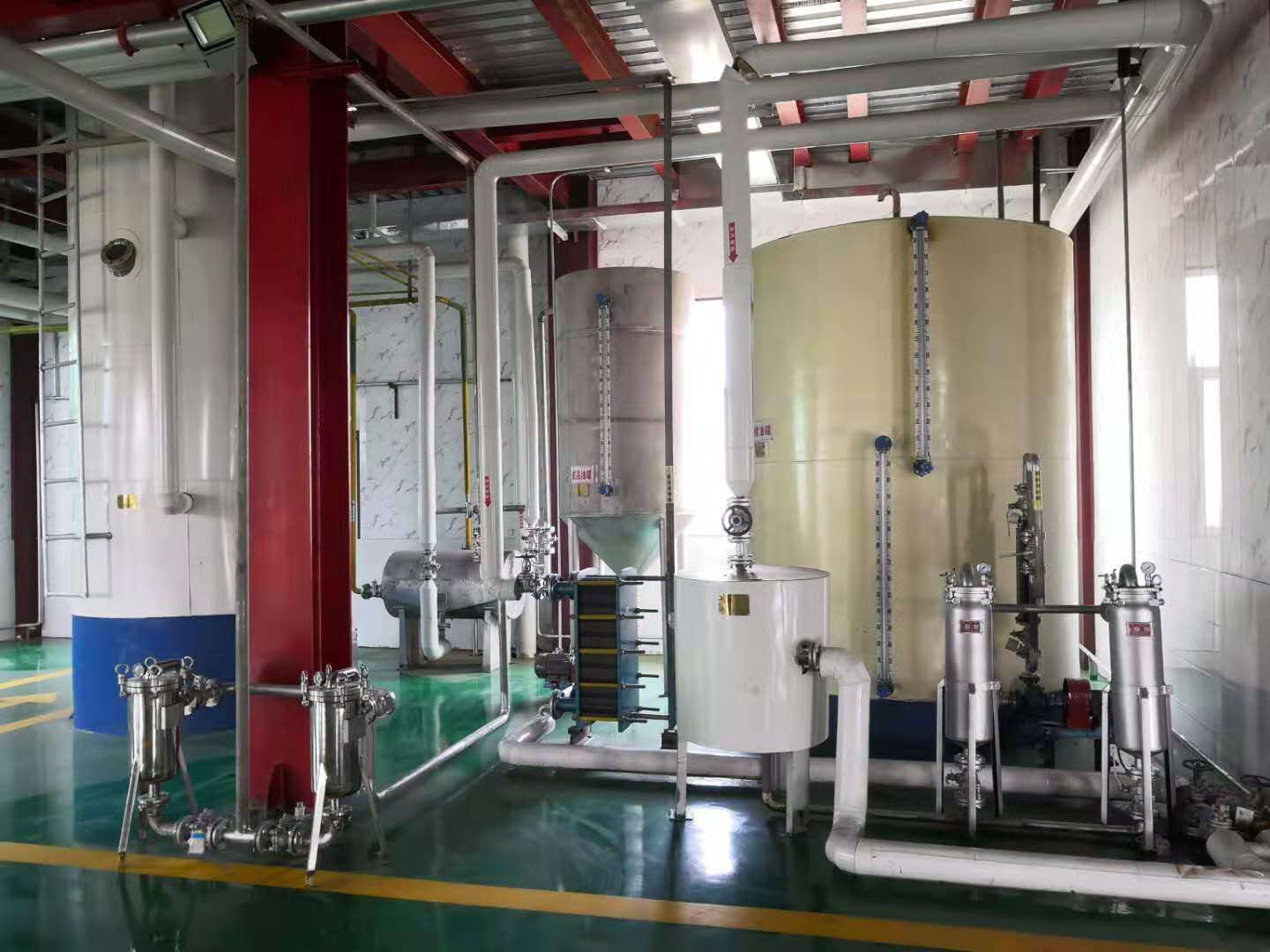
To sustain high operational efficiency, proactive fault diagnosis is crucial. Common issues include clogging in pressing chambers due to improper moisture control or uneven seed size distribution, leading to suboptimal oil recovery. Penguin Group’s machines feature automated blockage detection coupled with guided maintenance alerts, cutting unscheduled downtime by approximately 15%.
Operators should also avoid excessive heat during pressing to prevent oil degradation and monitor enzymatic pretreatment timing to ensure optimal degumming without enzymatic residue accumulation. A well-documented maintenance protocol supplemented by real-time performance dashboards supports consistent quality and longevity.
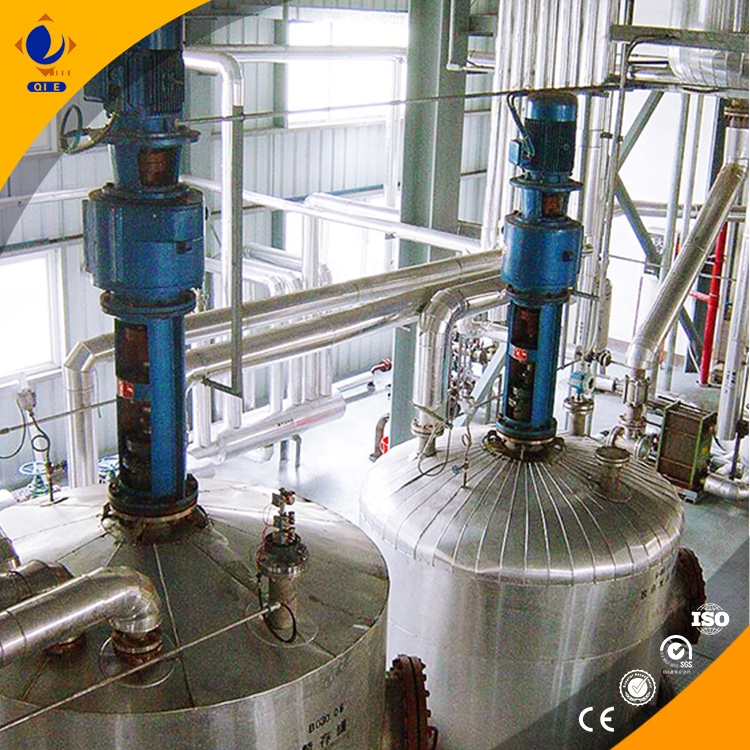
The future of oilseed processing lies in continuous process innovation aligned with sustainability goals. Hybrid technologies, such as combined enzymatic and microwave-assisted treatments, offer promising avenues for further yield enhancement and energy savings. Penguin Group continuously updates its machine firmware and modular components to incorporate these advances, supporting scalable integration for producers of all sizes.
Industry reports highlight a projected 5% annual improvement in oil recovery efficiency through such integrated technologies over the next five years—translating directly into improved profitability in increasingly competitive global markets.
 277
|
277
|
 magnetic separation technology
soybean oil pressing
oilseed processing
impurity removal
energy-saving pressing machine
209
|
sunflower oil refining equipment selection
small medium oil mill equipment procurement
after-sales service evaluation
automated temperature-controlled dewaxing
edible oil refining configuration
57
|
peanut oil processing
peanut oil aroma enhancement
pressing process parameters
difference between hot - pressing and cold - pressing
oil quality optimization
391
|
Small peanut oil press
Grain and oil processing equipment selection guide
Screw pressing technology
Hot and cold pressing processes
Equipment maintenance skills
332
|
small peanut oil press machine
oil pressing equipment selection
compact oil extraction machine
energy-efficient oil press
peanut oil production equipment
magnetic separation technology
soybean oil pressing
oilseed processing
impurity removal
energy-saving pressing machine
209
|
sunflower oil refining equipment selection
small medium oil mill equipment procurement
after-sales service evaluation
automated temperature-controlled dewaxing
edible oil refining configuration
57
|
peanut oil processing
peanut oil aroma enhancement
pressing process parameters
difference between hot - pressing and cold - pressing
oil quality optimization
391
|
Small peanut oil press
Grain and oil processing equipment selection guide
Screw pressing technology
Hot and cold pressing processes
Equipment maintenance skills
332
|
small peanut oil press machine
oil pressing equipment selection
compact oil extraction machine
energy-efficient oil press
peanut oil production equipment