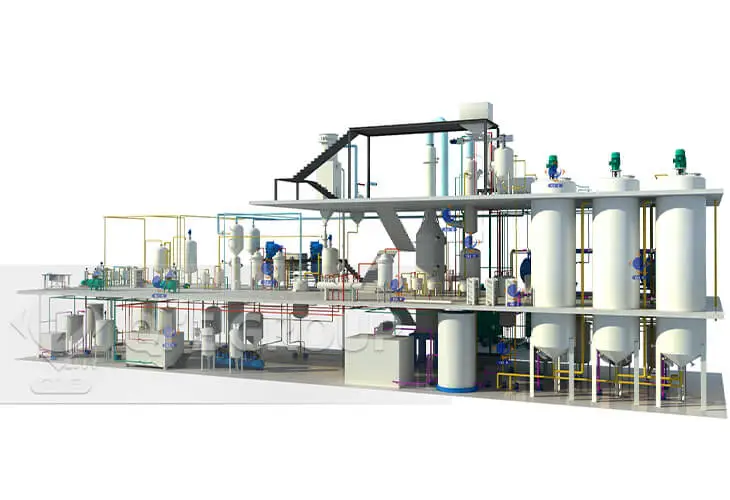
In the realm of edible oil production, peanut oil stands out for its rich aroma and high nutritional value. However, achieving the optimal balance between aroma and stability has long been a challenge for edible oil processing enterprises. This article delves into the key techniques of temperature control in peanut oil production, offering practical insights for enhancing product quality and market competitiveness.
The first step in peanut oil production is raw material cleaning. During this process, impurities such as dust, stones, and damaged peanuts need to be removed. The temperature of the cleaning environment should be maintained between 15 - 25°C. A stable temperature at this stage ensures that the peanuts remain in good condition, without mildew or spoilage, which is crucial for the subsequent processes.
After cleaning, the peanuts are crushed. The optimal temperature for peanut crushing is around 20 - 28°C. At this temperature, the cell walls of peanuts can be effectively broken, facilitating the subsequent extraction of oil. If the temperature is too high, the peanuts may oxidize, affecting the flavor and quality of the oil. On the other hand, if the temperature is too low, the crushing efficiency will be reduced.
Steaming is a critical step in enhancing the aroma of peanut oil. The temperature for steaming should be precisely controlled. For hot - pressing, the steaming temperature can reach 100 - 120°C. At this high temperature, the peanuts release their unique aroma components, and the proteins in the peanuts are denatured, which is beneficial for oil extraction. For cold - pressing, the steaming temperature is generally controlled below 60°C to preserve the nutrients in the peanuts.
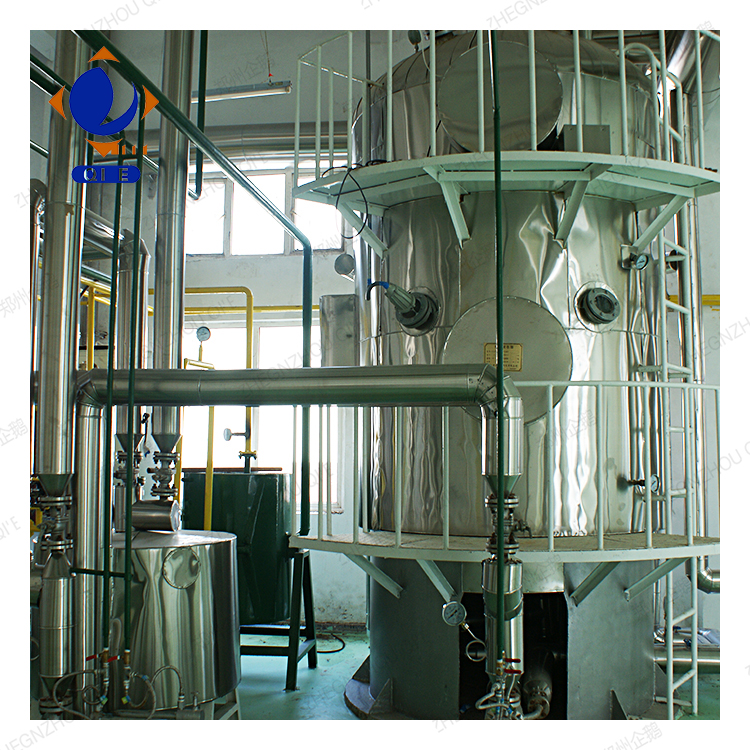
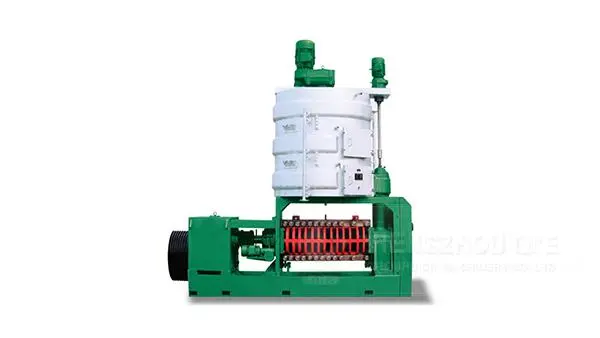
During the pressing process, the temperature also plays a vital role. When using a screw press, the temperature of the press chamber for hot - pressing can be maintained at 80 - 100°C, which helps to improve the oil yield and the aroma of the oil. In cold - pressing, the temperature is controlled below 40°C to ensure that the nutrients and natural flavor of the oil are retained.
Hot - pressing and cold - pressing are two common methods in peanut oil production, each with its own characteristics. The following table shows a detailed comparison:
| Process | Aroma | Nutritional Value | Oil Yield |
|---|---|---|---|
| Hot - Pressing | Rich and strong | Some nutrients may be lost due to high - temperature processing | High |
| Cold - Pressing | Mild and natural | High retention of nutrients | Relatively low |
A well - known edible oil processing enterprise adjusted the temperature parameters in the production process. By precisely controlling the temperature during steaming and pressing, they increased the oil yield by 5% and significantly enhanced the aroma of the peanut oil. The product quickly gained popularity in the market, leading to a 10% increase in sales volume within a year.
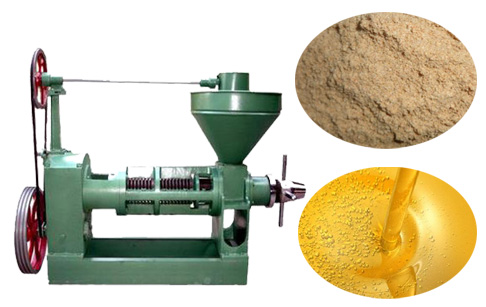
In addition to mastering temperature control techniques, perfect after - sales and technical support are also crucial for edible oil processing enterprises. Professional technical teams can provide timely guidance on equipment operation, maintenance, and process optimization, ensuring the long - term stable operation of production lines and maximizing the return on investment.
If you are eager to optimize your peanut oil production process and achieve higher - quality products, don't miss out on our valuable resources. Download our "Peanut Oil Pressing Process Optimization Manual" or book a consultation with our experts today!
 192
|
192
|
 peanut oil pressing equipment
hot pressing vs cold pressing
peanut oil quality improvement
grain and oil processing technology
small-scale oil press machines
293
|
small peanut oil press machine
oil pressing equipment for small enterprises
energy-efficient oil extraction machinery
peanut oil processing solutions
compact oil press for grain processing
483
|
small peanut oil press machine
oil press machine maintenance
spiral pressing technology
cold press vs hot press
peanut oil extraction efficiency
211
|
industrial spiral oil press
high-efficiency oil extraction equipment
small to medium-sized oil processing plant
extraction rate analysis
ISO9001 certification
38
|
Peanut oil press
Screw pressing technology
Peanut oil production process
Comparison of hot and cold pressing
Grain and oil processing equipment
peanut oil pressing equipment
hot pressing vs cold pressing
peanut oil quality improvement
grain and oil processing technology
small-scale oil press machines
293
|
small peanut oil press machine
oil pressing equipment for small enterprises
energy-efficient oil extraction machinery
peanut oil processing solutions
compact oil press for grain processing
483
|
small peanut oil press machine
oil press machine maintenance
spiral pressing technology
cold press vs hot press
peanut oil extraction efficiency
211
|
industrial spiral oil press
high-efficiency oil extraction equipment
small to medium-sized oil processing plant
extraction rate analysis
ISO9001 certification
38
|
Peanut oil press
Screw pressing technology
Peanut oil production process
Comparison of hot and cold pressing
Grain and oil processing equipment