Choosing the right energy-saving oil press machine is a critical decision for soybean oil production businesses looking to optimize cost-efficiency and ensure product quality. As a procurement manager or technical supervisor, you must weigh multiple factors beyond simple functionality. This guide unpacks essential KPIs—daily processing capacity, energy consumption, impurity separation efficiency, and multi-raw material adaptability—that shape your equipment selection. We also highlight the vital role of magnetic separators in enhancing oil purity and the importance of ISO certification in validating quality and safety standards.
The daily processing capacity of oil press machines ranges typically from 30 to 1000 tons, aligning with small-scale to large industrial operations. Selecting a machine that fits your production volume avoids unnecessary capital expenditure and operational inefficiencies.
Energy consumption is equally crucial. Modern energy-saving presses can reduce power usage by 15-25% compared to conventional models. For example, a 500-ton/day capacity press might consume approximately 2.8 to 3.0 kWh per ton, whereas older presses often exceed 3.6 kWh per ton. This translates to significant long-term savings in electricity costs, a key driver in total lifecycle cost optimization.
Magnetic separators integrated within oil presses effectively remove metallic impurities, protecting downstream filtration systems and improving oil quality. In practical terms, samples from industries using magnetic separation report contamination reductions of up to 90% for iron particles. This boost in purity not only enhances the edible oil grade but also reduces machinery wear, lowering maintenance frequency and costs.
International Organization for Standardization (ISO) certifications such as ISO 9001 (Quality Management) and ISO 14001 (Environmental Management) underpin the reliability and safety of oil press machines. Choosing equipment backed by ISO certification demonstrates a manufacturer's commitment to industry best practices and regulatory compliance, which is critical for export-oriented enterprises and insurance requirements.
Beyond product specs, a robust after-sales service framework differentiates top-tier equipment suppliers. Professional installation and startup support ensure smooth commissioning, reducing downtime. Furthermore, tailored operator training enhances workforce competence, minimizing operational errors and maximizing return on investment. Reliable ongoing technical support guarantees rapid troubleshooting, preserving uninterrupted production lines.
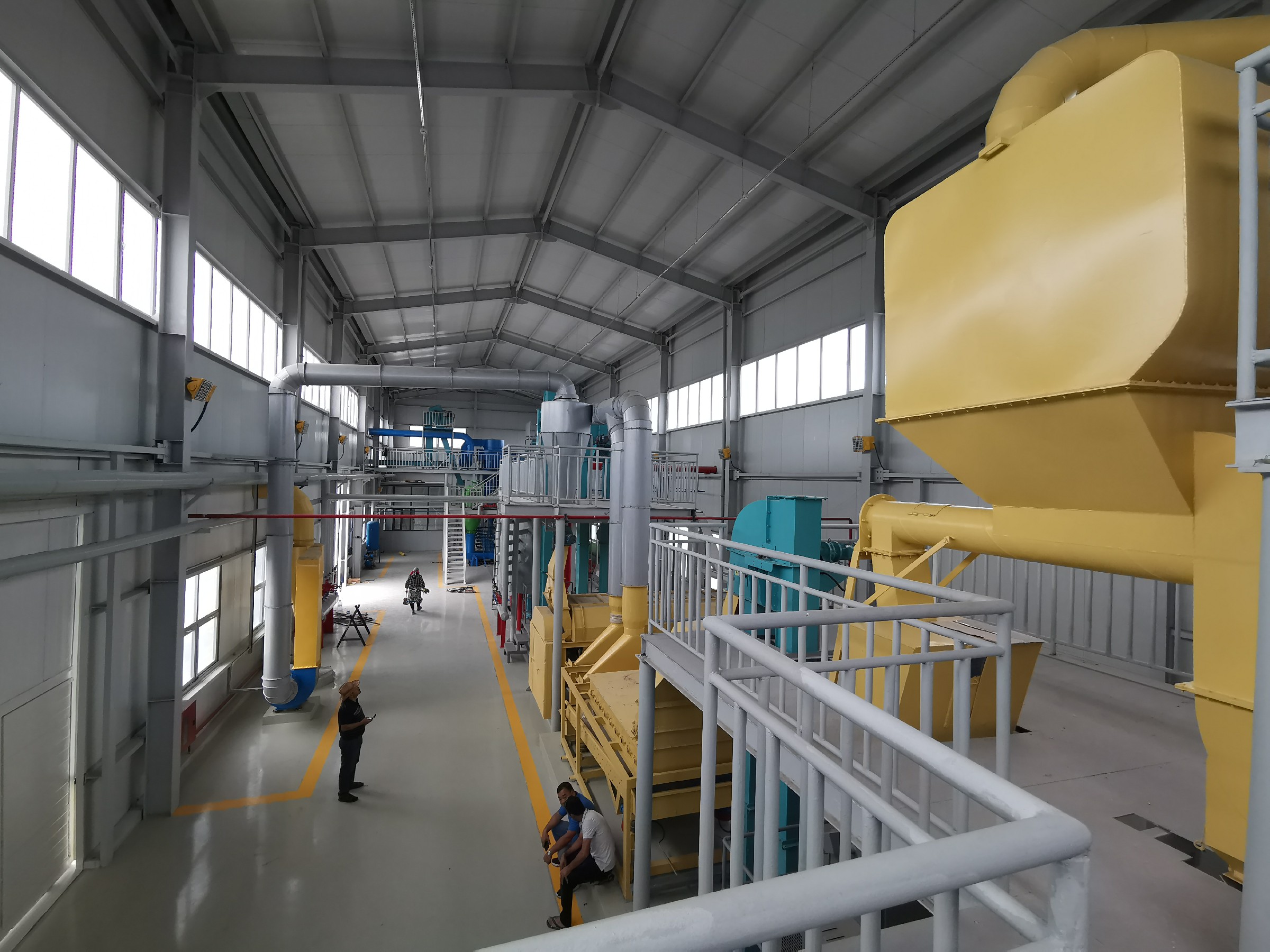
When evaluating energy-saving soybean oil presses, integrate cost analysis with operational durability and product standards. Initial investment must be calibrated with expected energy savings and maintenance expenses. Rigorous quality control, supported by advanced impurity separation and certified manufacturing, safeguards final product value. Additionally, considering machine compatibility with multiple raw materials enhances flexibility in procurement and production scheduling.

 54
|
54
|
 peanut oil quality improvement
peanut oil pressing process
hot pressing vs cold pressing
oil extraction efficiency
peanut oil production optimization
38
|
peanut oil screw pressing
comparison between hot - pressing and cold - pressing
peanut oil yield
high - end peanut oil export
grain and oil processing equipment
109
|
small peanut oil press machine
peanut oil pressing technology
cold press vs hot press
oil extraction efficiency
equipment maintenance for oil mills
294
|
peanut oil press
small grain and oil processing equipment
equipment purchase guide
equipment maintenance skills
energy - saving and environmental - friendly press
128
|
Peanut oil pressing technology
Cooking process optimization
Cold - pressing and hot - pressing comparison
Peanut oil quality improvement
Grain and oil processing equipment
peanut oil quality improvement
peanut oil pressing process
hot pressing vs cold pressing
oil extraction efficiency
peanut oil production optimization
38
|
peanut oil screw pressing
comparison between hot - pressing and cold - pressing
peanut oil yield
high - end peanut oil export
grain and oil processing equipment
109
|
small peanut oil press machine
peanut oil pressing technology
cold press vs hot press
oil extraction efficiency
equipment maintenance for oil mills
294
|
peanut oil press
small grain and oil processing equipment
equipment purchase guide
equipment maintenance skills
energy - saving and environmental - friendly press
128
|
Peanut oil pressing technology
Cooking process optimization
Cold - pressing and hot - pressing comparison
Peanut oil quality improvement
Grain and oil processing equipment